Product Description
Brand
Thermo Fisher Scientific
Model
Prima PRO
Capacity
1 to 150 amu at 1000 eV ion acceleration voltage
CAT No
PRIMAANLYZ
Application
Spectroscopy
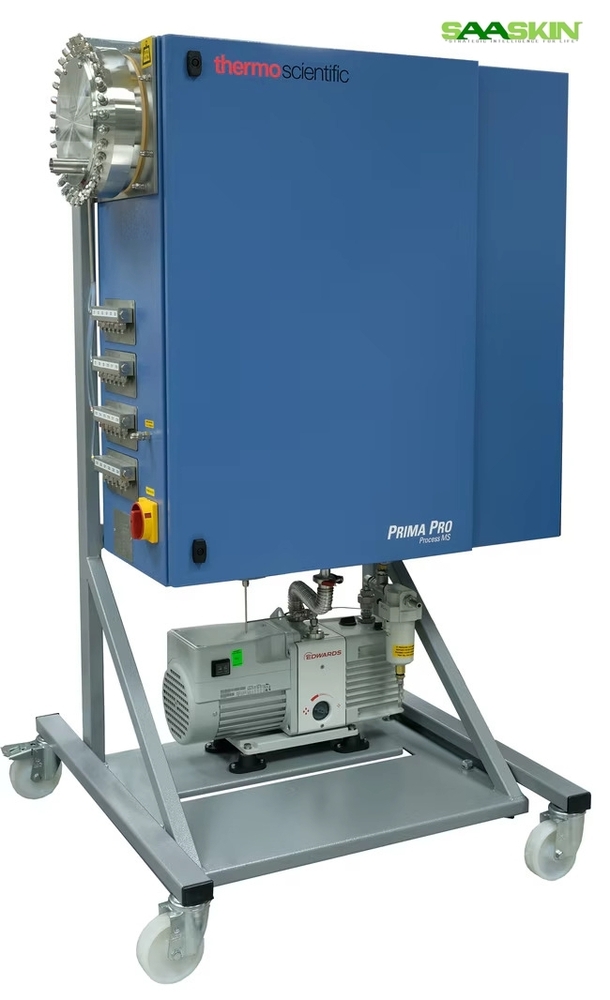
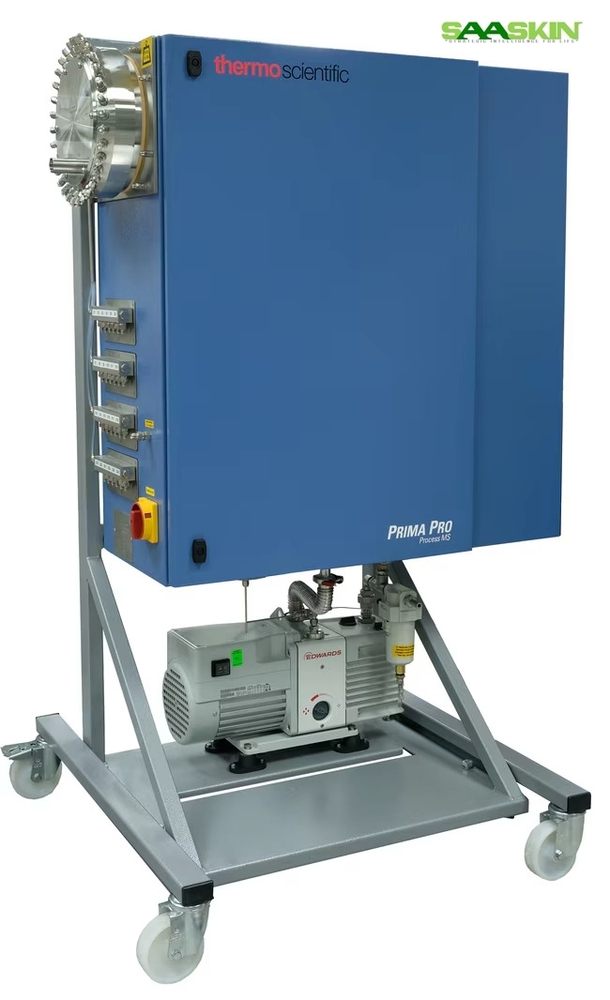
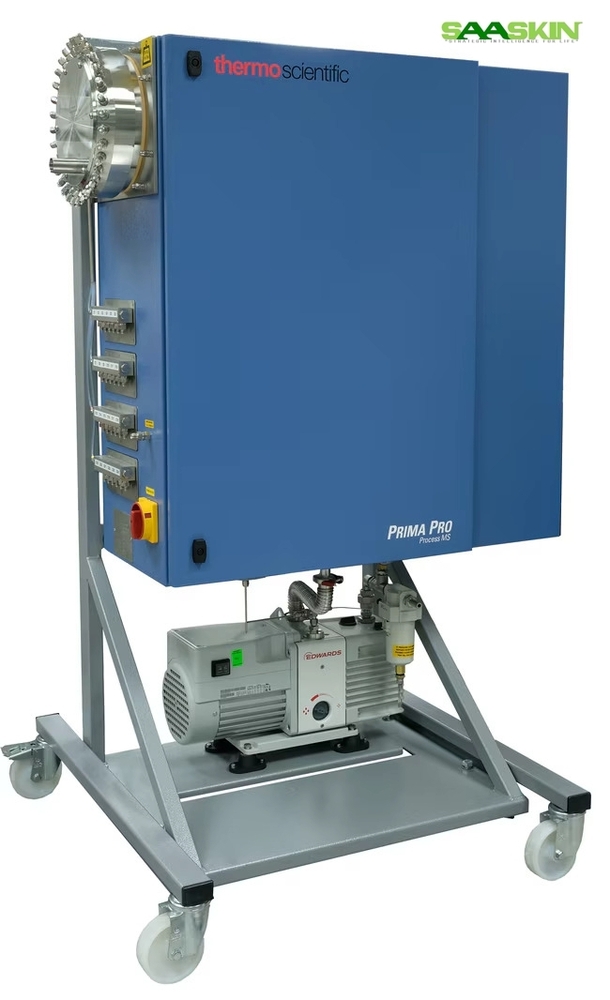
Maximize product yield and increase profits with the Thermo Scientific Prima PRO Process Mass Spectrometer. This online mass spectrometer & process gas analyzer is engineered to meet a number of challenging process applications in the petrochemical, iron and steel, and biotechnology industries. Highly reliable and easy-to-own, the Prima PRO online mass spectrometer delivers faster, more complete, lab quality online gas composition analysis. It features a rugged, fault-tolerant design that ensures availability that exceeds 99.7% and a simplified maintenance procedure and auto-tune capability to facilitate ongoing operation and enhance productivity.
Advanced Multi-Stream Gas MonitoringWith the ability to handle up to 64 sample streams and analyze up to 60 samples per minute, the Prima PRO excels in environments requiring continuous, high-throughput gas analysis. Its quadrupole mass filter and electron impact ion source support rapid, selective measurement for diverse industrial processes.
Robust and Reliable OperationEngineered with a stainless steel enclosure and high-capacity diaphragm and turbomolecular pumps, the Prima PRO operates reliably under rigorous industrial conditions. It withstands a broad range of humidity and temperature (0C to 40C), with IP54 protection for enhanced durability.
Flexible Integration and User-Friendly InterfaceThe spectrometer offers versatile data output (Ethernet, Modbus, OPC, analog, digital I/O) for seamless integration into control systems. The intuitive touchscreen LCD and Windows Embedded OS provide easy navigation, automated calibration, and support for long-term data logging and analysis.
FAQ's of Thermo Scientific Prima PRO Process Mass Spectrometer:
Q: How does the Prima PRO Process Mass Spectrometer enable real-time process gas analysis?
A: The Prima PRO utilizes a quadrupole mass filter with electron impact ionization, delivering rapid measurements (typically <1 second response time) for up to 64 sample streams. This allows for immediate adjustment and monitoring of industrial processes based on real-time gas composition.
Q: What types of gases can the Prima PRO analyze and in which industries is it typically used?
A: The Prima PRO is suitable for a wide range of process gases, including hydrocarbons, solvents, and inorganics, making it ideal for chemical, petrochemical, pharmaceutical, and manufacturing environments in India and worldwide.
Q: When is calibration required, and how is it performed on this spectrometer?
A: Calibration can be scheduled automatically or initiated manually via the system's software. Routine calibration ensures accuracy ( 1% full scale) and reliability, which is vital for applications demanding high-precision gas analysis.
Q: Where can the Prima PRO be installed and what environmental conditions can it tolerate?
A: The spectrometer is designed for installation in industrial settings with ambient temperatures ranging from 0C to 40C and humidity from 10% to 90% (non-condensing). Its IP54 enclosure protects it from dust and water, making it suitable for challenging process environments.
Q: What benefit does the multi-stream analysis feature provide?
A: Multi-stream analysis allows the Prima PRO to monitor up to 64 different gas sampling points without manual intervention. This increases process efficiency, reduces downtime, and provides comprehensive insights across multiple process lines or reactors.
Q: How is data output and integration handled with plant control systems?
A: The Prima PRO offers flexible data output through Ethernet, Modbus, OPC, analog, and digital isolated I/O. This enables seamless integration with modern DCS, SCADA, or PLC systems, ensuring data is accessible for real-time process control and historical analysis.
Q: What is the maintenance process for the Prima PRO, and what materials is it made from?
A: The rugged enclosure and sample lines use stainless steel, minimizing maintenance requirements. Regular upkeep involves pump checks and calibration sequence verification, all facilitated by the automated system and user guidance from the touchscreen LCD interface.











 Accepts only Export inquiries




 Send Inquiry