Product Description
| Brand | Becton Dickinson |
| Sample Type | Nasal Swab |
| CAT No | 443461 |
Application
| Molecular Diagnostics |
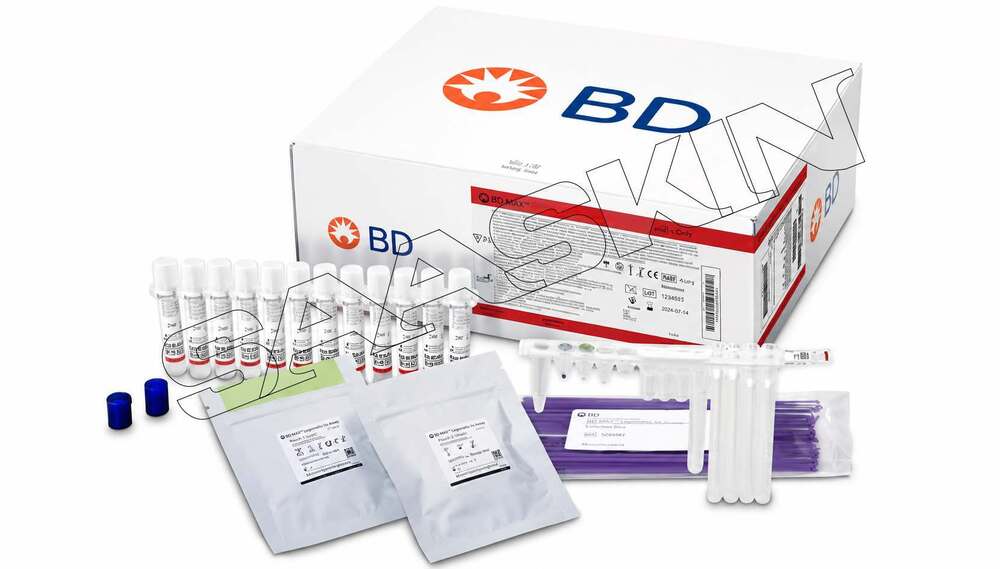
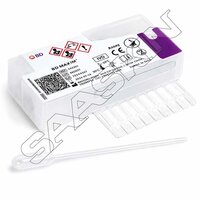
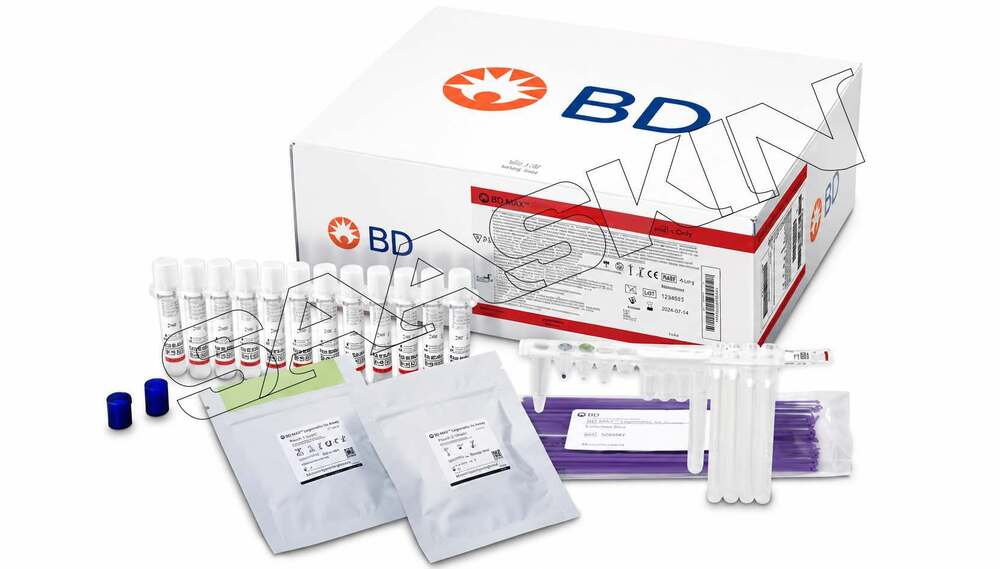
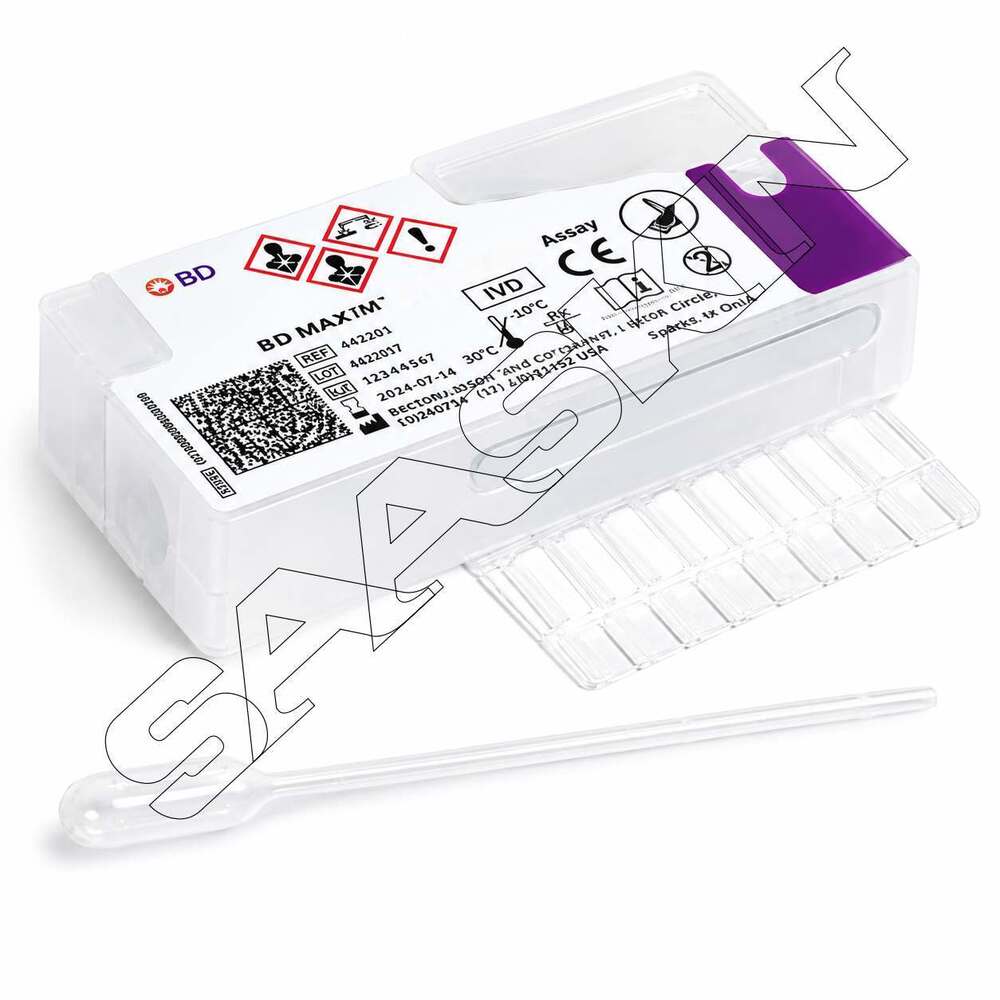
BD MAX MRSA XT is an in vitro molecular diagnostic assay designed for the qualitative detection of Methicillin-Resistant Staphylococcus aureus (MRSA) DNA directly from nasal swab specimens using the BD MAX System. It features Extended Detection Technology, enabling detection of a broad range of MRSA strains, including mecA, mecC and mecA drop-out mutants associated with multiple MREJ genotypes.
Advanced Molecular Detection of MRSAThe BD MAX MRSA XT offers precise and swift identification of MRSA using advanced real-time PCR technology. This ensures early and accurate diagnosis, which is pivotal in infection control and patient care within healthcare settings across India.
User-Friendly, Automated OperationEngineered for automatic running, the analyzer allows users to process samples with minimum manual intervention. This feature not only lessens the chance of human error but also boosts productivity, making it suitable for high-throughput laboratory environments.
Reliable Performance and Thoughtful DesignThe instrument's stable operation within 2 to 25C, combined with its bench-top design, simplifies installation in diverse laboratory spaces. Alongside its reliability, the device delivers consistent, quality results that support effective clinical decision-making.
FAQ's of BD MAX MRSA XT:
Q: How does the BD MAX MRSA XT detect Methicillin-Resistant Staphylococcus aureus (MRSA)?
A: The BD MAX MRSA XT uses real-time polymerase chain reaction (PCR) technology to accurately amplify and detect genetic material specific to MRSA, enabling early and precise identification of the pathogen in patient samples.
Q: What are the main benefits of using an automatic molecular biology analyzer like the BD MAX MRSA XT?
A: Automated operation reduces manual handling, minimizes errors, and increases efficiency, allowing laboratories to process more samples in less time while consistently delivering reliable results.
Q: When should MRSA detection using this analyzer be considered in clinical settings?
A: MRSA detection is crucial when screening patients for hospital-acquired infections, during outbreak investigations, or when guiding antibiotic therapy decisions in healthcare settings.
Q: Where can the BD MAX MRSA XT be installed in a laboratory environment?
A: As a non-wall-mounted, bench-top analyzer, the BD MAX MRSA XT is suitable for installation on laboratory counters and requires minimal specialized space, making it adaptable to a variety of clinical laboratories in India.
Q: What is the process for operating the BD MAX MRSA XT?
A: Operation involves loading patient samples and reagents into the analyzer, after which the instrument automatically performs nucleic acid extraction, amplification, and real-time detection, providing clear results for MRSA screening.
Q: How should the BD MAX MRSA XT and its reagents be stored?
A: The analyzer should be kept in a temperature-controlled environment between 2 and 25 degrees Celsius to maintain optimal performance and longevity. Reagents should also be stored as per the manufacturer's recommendations within this range.
Q: Why choose the BD MAX MRSA XT for MRSA detection in India?
A: Opting for the BD MAX MRSA XT ensures rapid, automated, and highly reliable MRSA screening, supporting infection control initiatives and efficient patient management in healthcare institutions across India.










 Accepts only Export inquiries



 Send Inquiry