Product Description
| Brand |
Metrohm |
| Material |
Plastic |
| Capacity |
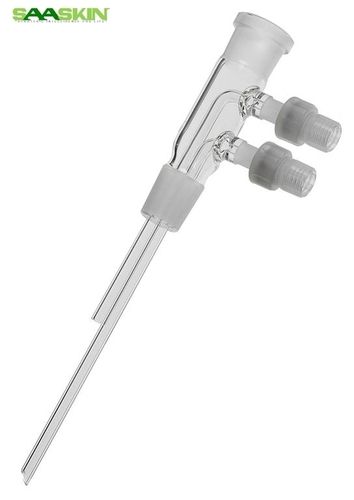
4 Electrodes and 2 Buret tips |
| CAT No |
62730020 |
| Application |
Titration Accessories |
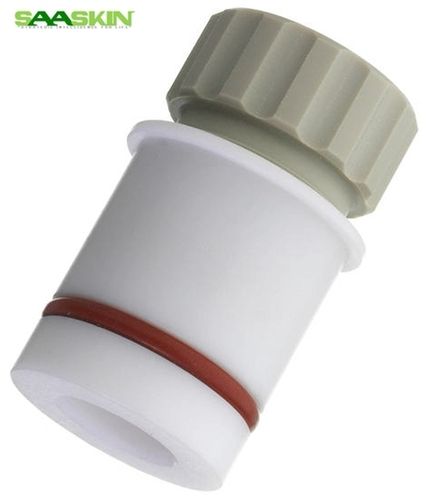
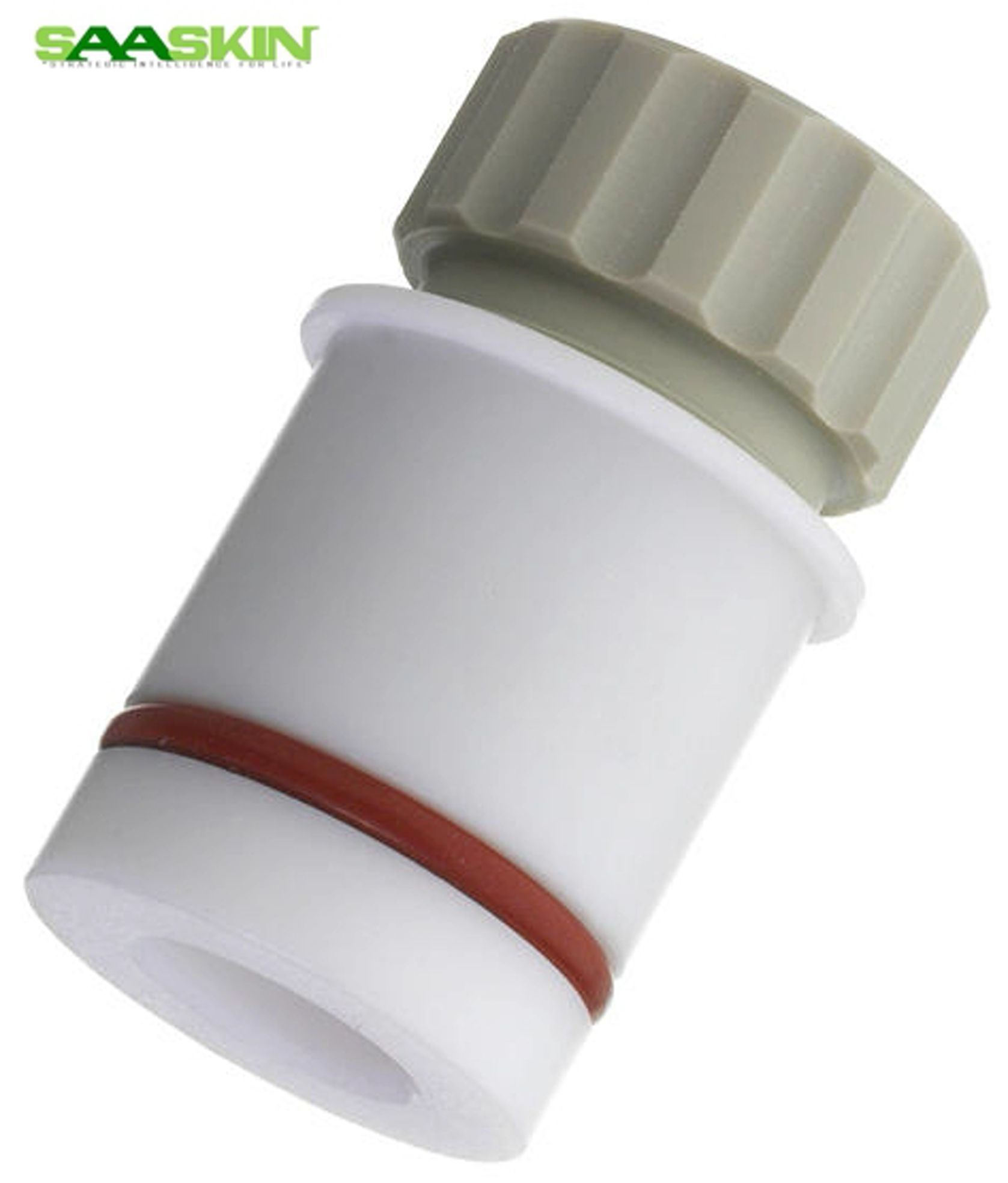
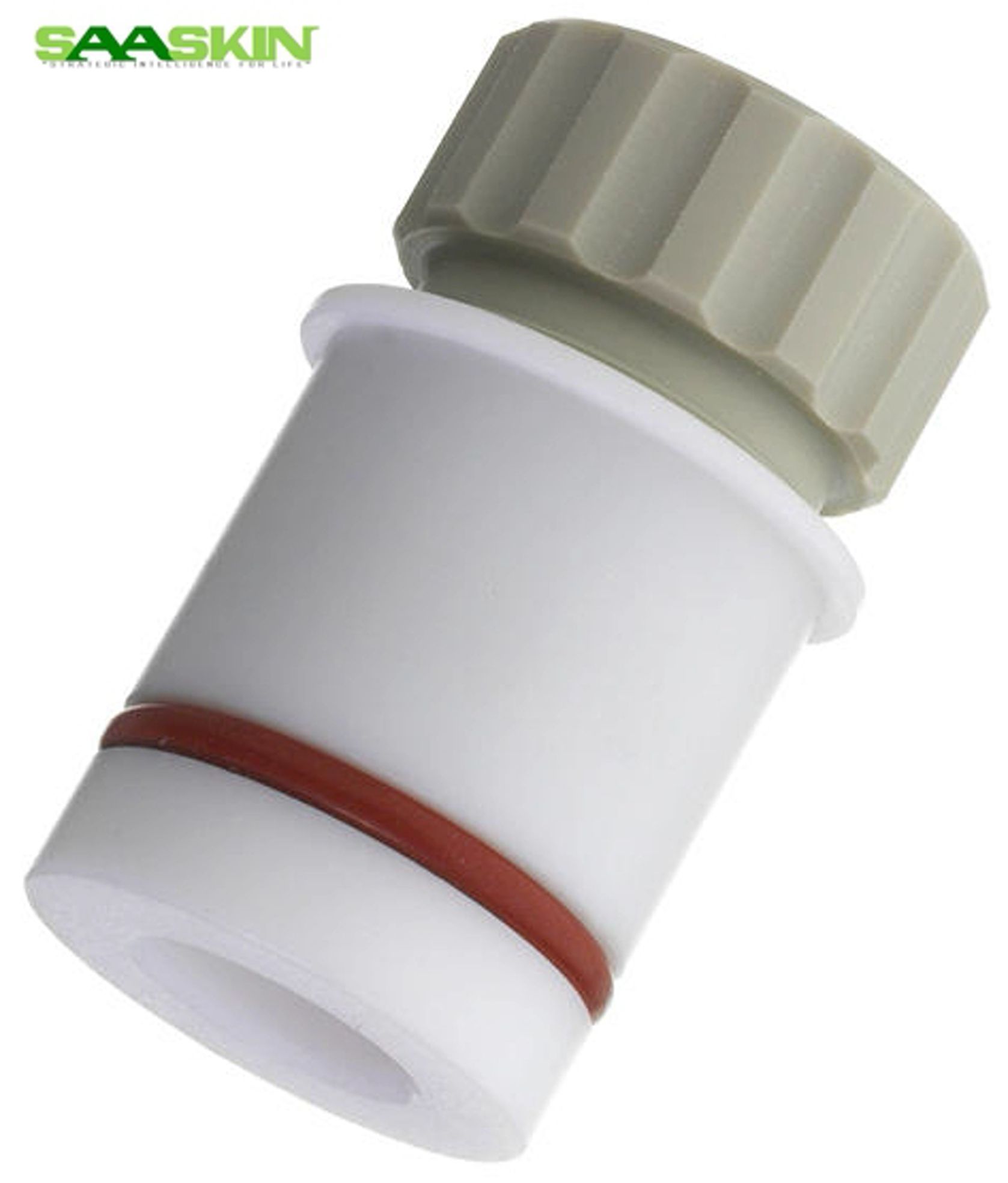
With E.3010041 O-ring. For 61448010 Septum and 61414030 Titration vessel lid. Used for KF applications.
Exceptional Chemical and Heat ResistanceCrafted from high-grade silicone rubber, the Metrohm Septum Stopper withstands temperatures up to 200C and resists degradation from a diverse range of laboratory acids and solvents. This makes it suitable for demanding procedures that involve both elevated temperatures and aggressive chemicals. Its robust material ensures a reliable and long-lasting seal, enhancing laboratory safety.
Versatile and Reusable DesignThe self-sealing septum allows repeated puncturing with needles and syringes, maintaining a tight closure each time. Suitable for both Metrohm titration systems and other laboratory glassware with matching neck dimensions, this stopper can be reused with proper care and is fully autoclavable, promoting cost-efficiency and sustainability in busy laboratories.
FAQ's of Metrohm Septum Stopper:
Q: How do I use the Metrohm Septum Stopper with laboratory glassware?
A: Simply insert the septum stopper into the neck of compatible laboratory bottles or reaction vessels. It can be punctured manually with syringes or needles for sample introduction or liquid withdrawal, while maintaining a secure, self-sealing closure.
Q: What types of chemicals and temperatures can the Metrohm Septum Stopper withstand?
A: Constructed from high-grade silicone rubber, the stopper is resistant to a broad spectrum of laboratory solvents and acids, and can safely be used at temperatures up to 200C.
Q: When should I replace the Metrohm Septum Stopper?
A: Replace the stopper if you notice visible signs of wear, tearing, or if the self-sealing function is compromised after repeated use. Its durability allows for many cycles, especially when cared for appropriately.
Q: Where can I use this septum stopper in my laboratory?
A: It is primarily designed for Metrohm titration systems, but can also be used with a variety of laboratory glassware that matches its neck size specifications. Its chemical resistance and heat tolerance make it suitable for general laboratory liquid handling tasks.
Q: What is the process for cleaning and sterilizing the septum stopper?
A: The stopper is autoclavable, which means it can be sterilized in an autoclave for safe reuse. Clean thoroughly with suitable lab detergents and rinse with deionized water before autoclaving, especially after exposure to harsh chemicals.
Q: What are the benefits of using a self-sealing septum in laboratory applications?
A: A self-sealing septum stopper significantly reduces the risk of contamination and exposure to hazardous chemicals during sampling, making procedures safer and more efficient while preserving the integrity of your samples.











 Accepts only Export inquiries



 Send Inquiry