Product Description
| Brand | Metrohm |
| Material | Glass |
| Capacity | c(KCl) = 3 mol/L |
| CAT No | 60750100 |
| Application | Titration Accessories |
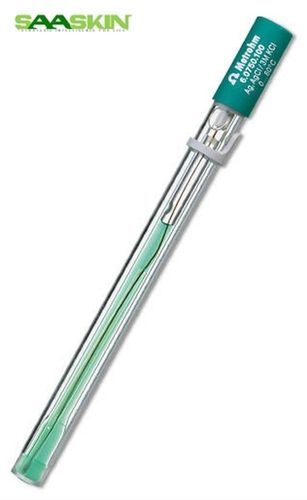
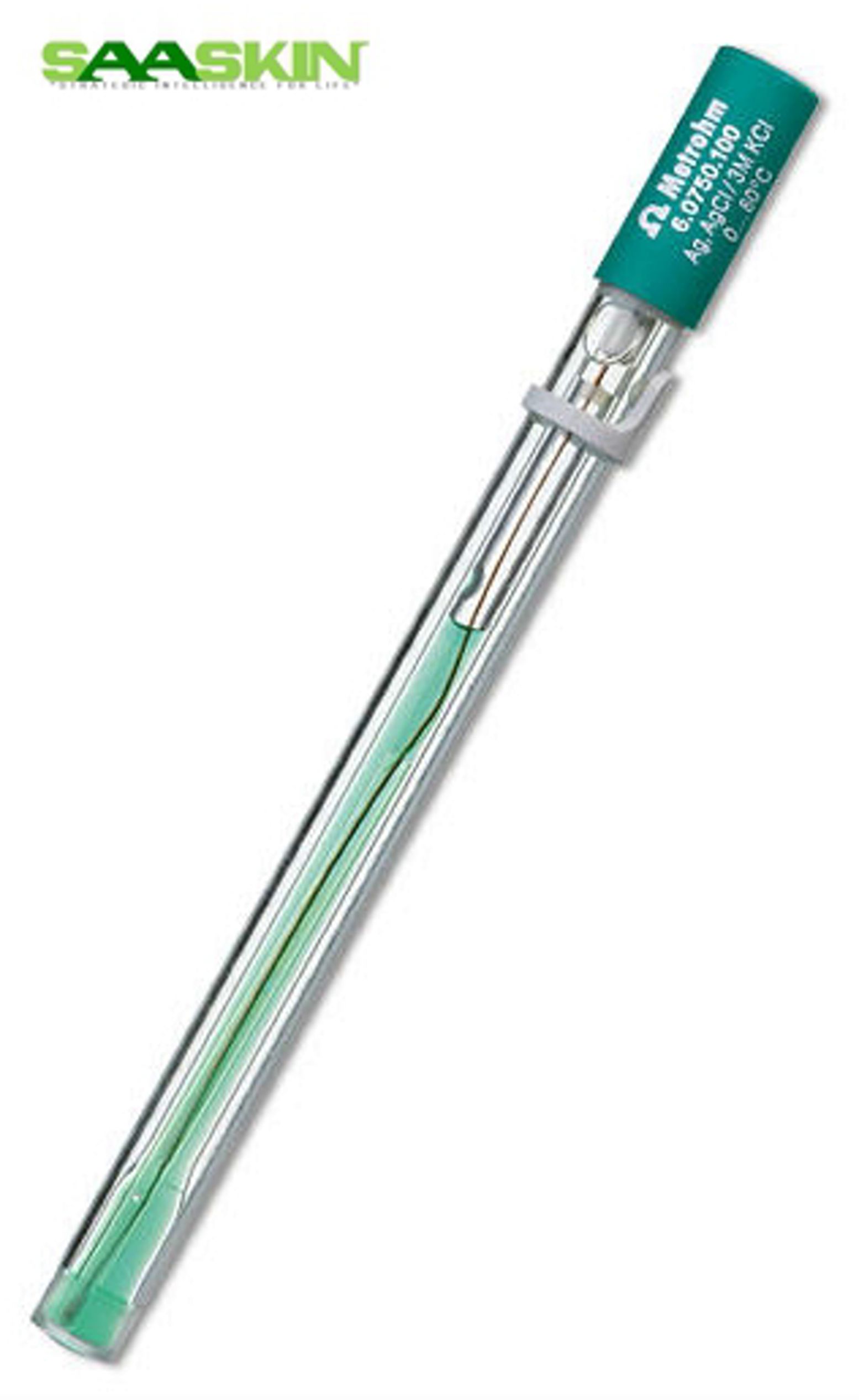
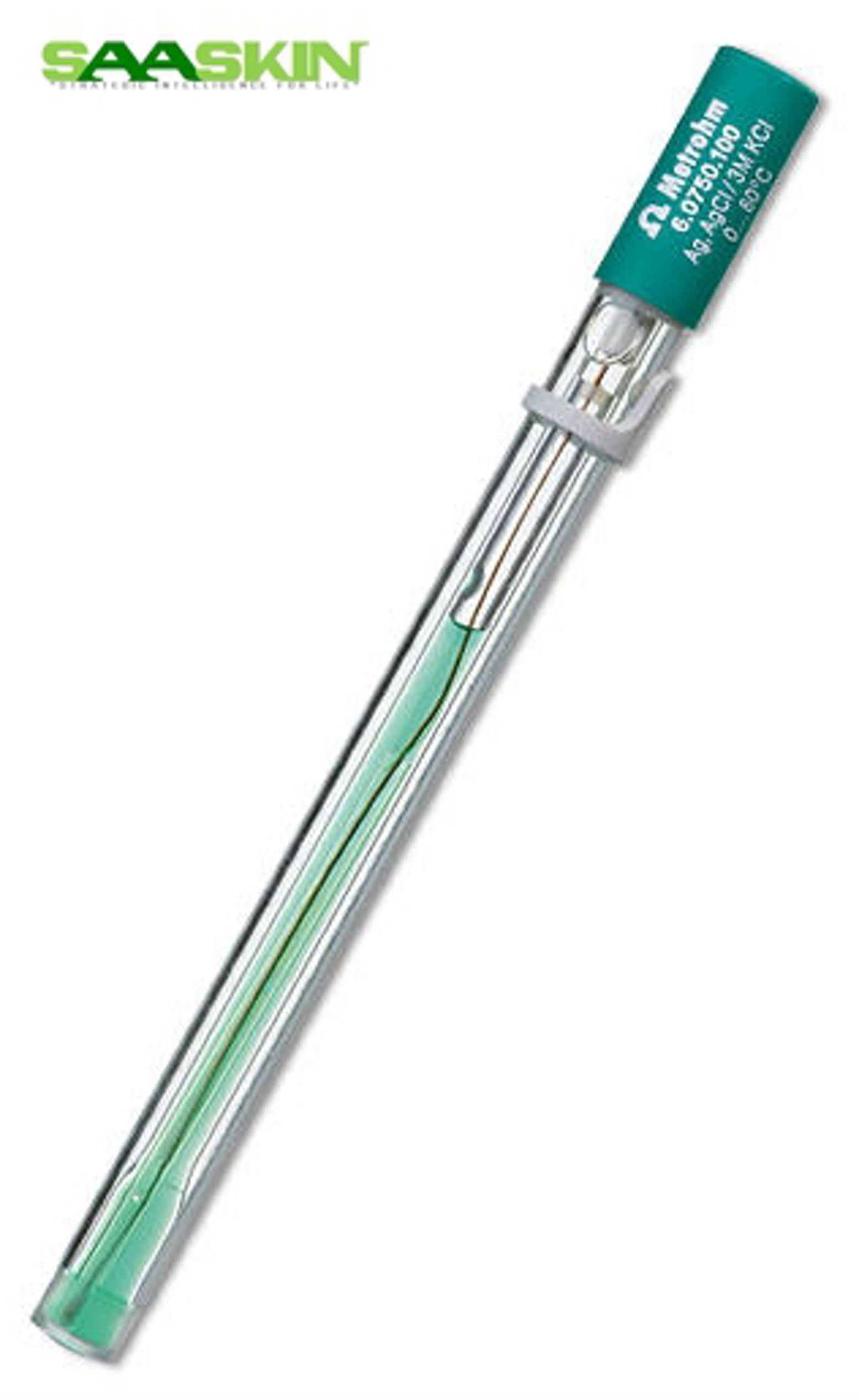
Silver / silver chloride reference electrode with double junction system. This reference electrode is well suited.
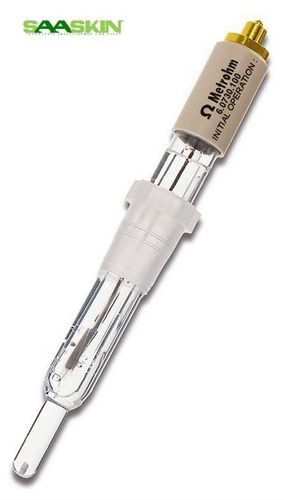
Advanced Reference System for Reliable ResultsUtilizing an Ag/AgCl (silver/silver chloride) system and a LL (liquid-liquid) junction, the LL ISE Reference Electrode ensures stable reference potential and compatibility with a variety of ion-selective electrodes. Its robust glass body and flexible junction support precise measurements even in challenging chemical environments.
Versatile Application Across Analytical ChemistryThis electrode is ideal for potentiometric measurements, electrochemical analysis, and laboratory research requiring accurate and reproducible readings. The broad pH range (0-14) and high chemical resistance make it suitable for diverse applications, including quality control, environmental monitoring, and academic research.
Convenient Handling and MaintenanceWith an S7 connector and a standard internal electrolyte volume of 1 mL (3 mol/L KCl), the electrode is easy to install and maintain. Proper storage is crucial; keep the electrode moist in KCl solution to ensure longevity and measurement stability. Its compact design allows effortless immersion and connection to common laboratory instrumentation.
FAQ's of Metrohm LL ISE Reference Electrode:
Q: How should the Metrohm LL ISE Reference Electrode be stored when not in use?
A: To maintain optimal performance and prevent dehydration of the reference system, the electrode should always be kept moist in a potassium chloride (KCl) solution. Avoid letting it dry out to ensure consistent measurements and longevity.
Q: What applications is the LL ISE Reference Electrode suitable for?
A: This electrode is designed for laboratory and analytical measurements, particularly ion-selective potentiometric analysis and electrochemical investigations. It is used in quality control, environmental assessments, and academic research requiring precise ion measurements.
Q: When is it necessary to replace or refill the electrolyte inside the electrode?
A: The internal electrolyte (3 mol/L KCl) should be checked periodically. If you observe drift or inconsistent readings during measurements, or if the level drops visibly, refill or replace the electrolyte to maintain stable reference potential.
Q: Where can the LL ISE Reference Electrode be used, considering its chemical resistance and construction?
A: Due to its glass and inert materials with high chemical resistance, the electrode can be used in a wide range of laboratory and industrial environments where harsh chemicals or extreme pH values are encountered.
Q: What is the process for installing and using the LL ISE Reference Electrode in a measurement setup?
A: Simply connect the electrode to your measurement device using the S7 connector. Immerse the electrode in the sample solution alongside the appropriate ion-selective electrode, and begin your analysis as per the instrument's protocol.
Q: How does the LL (liquid-liquid) junction benefit potentiometric measurements?
A: The LL junction provides a stable and flexible interface between the internal electrolyte and sample, reducing junction potentials and improving reproducibility, especially in complex sample matrices.
Q: What are the main benefits of using this reference electrode in your laboratory?
A: Key benefits include high chemical resistance, wide pH compatibility, stable reference potential, and reliable performance across various analytical applications. Its robust design ensures longevity and consistent results, supporting accurate research and testing.











 Accepts only Export inquiries



 Send Inquiry