Product Description
Brand PerkinElmer
Model 320
Capacity 16 vessels
CAT No N3136002
Application Digestion System
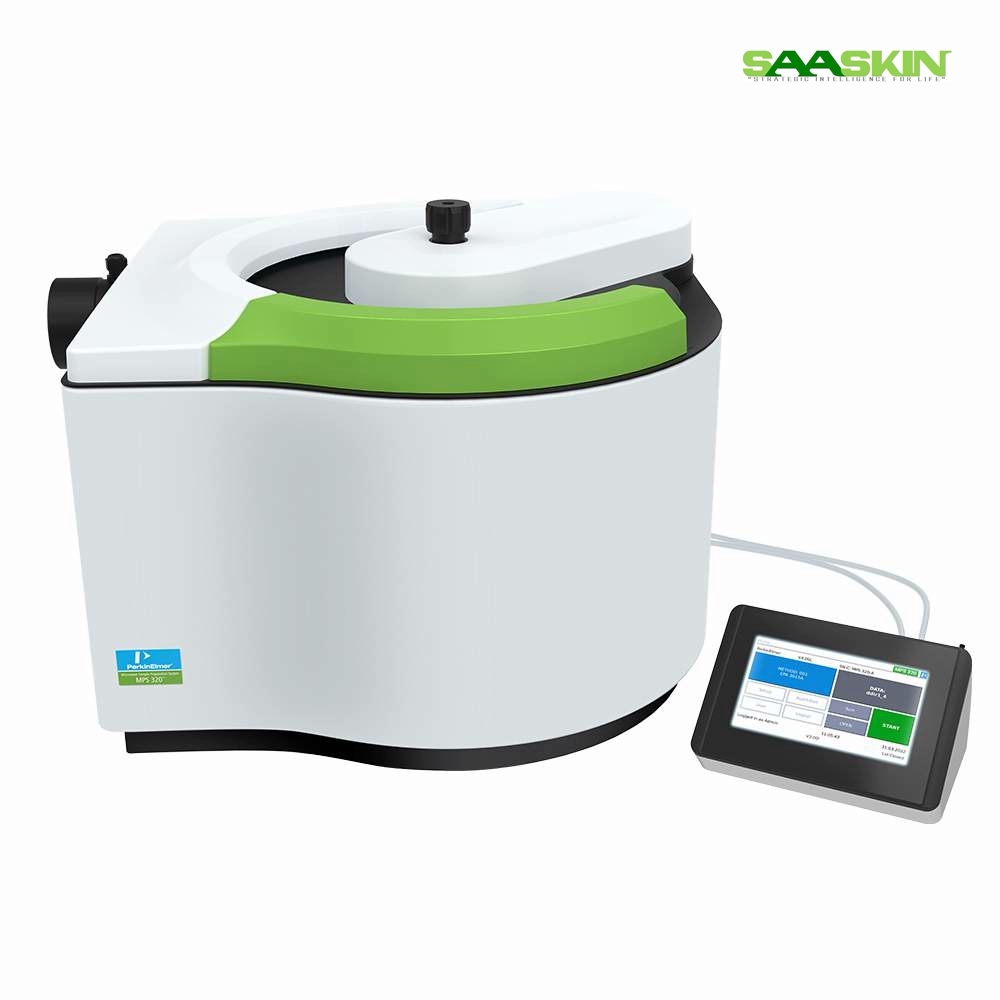
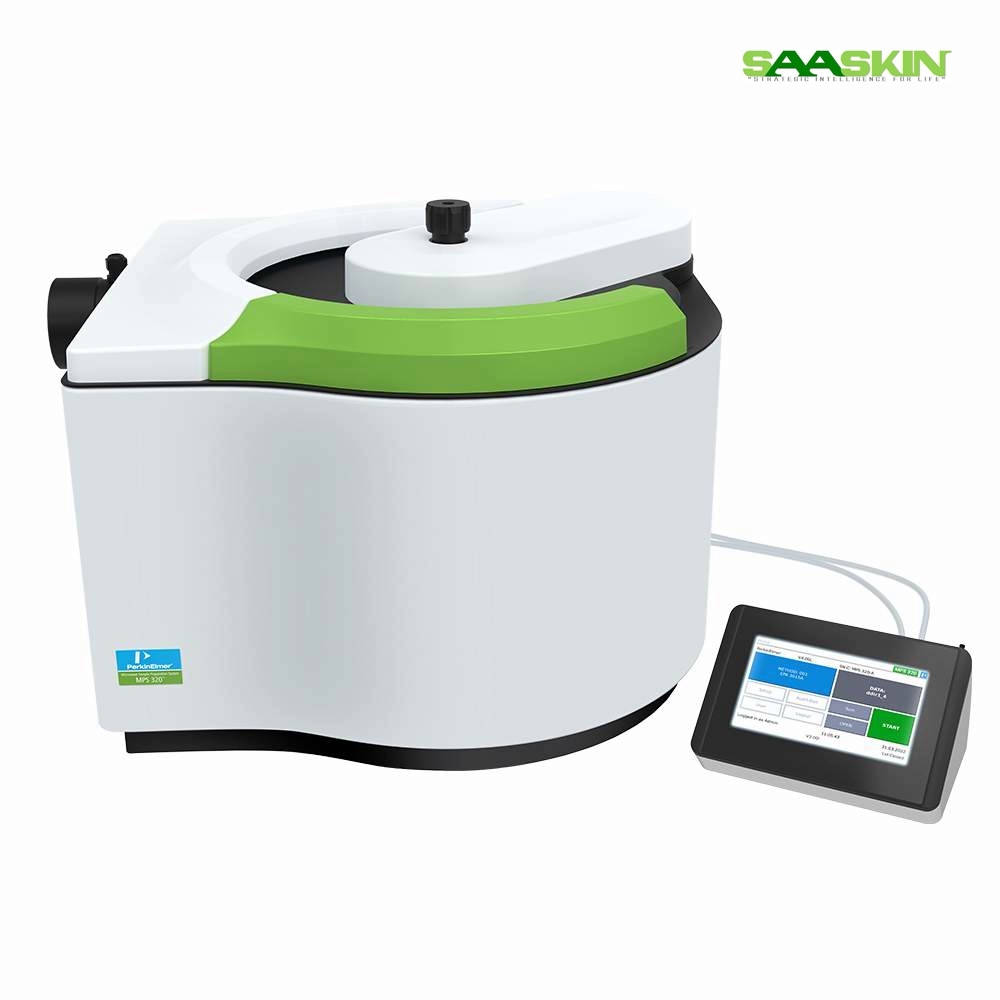
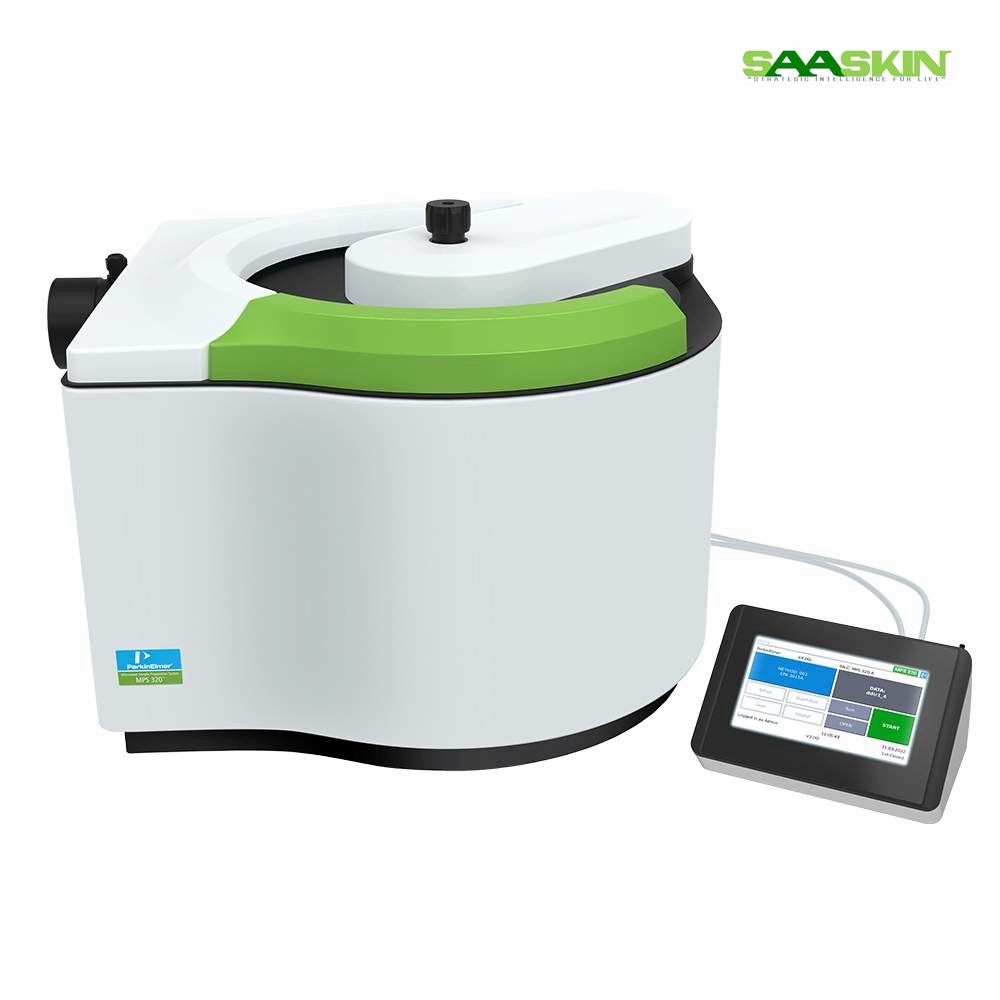
The MPS 320 is a reliable and easy-to-operate microwave digestion system for PerkinElmers AA, ICP-OES, and ICP-MS instruments that accommodates a wide range of sample matrices and applications. It provides the choice of closed-vessel digestion, a requirement for working with volatile elements, or unique, easy-to-use and high-throughput auto-venting vessels, which allow digestion to continue when preset pressure is reached. And you can also select from four different rotor configurations depending on your needs. All of this, plus state-of-the-art temperature/pressure control and a variety of unique safety features.
Advanced Safety and MonitoringThe MPS MR-85/16 320 features multiple integrated safety sensors and advanced interlocks, ensuring operator protection at every stage. Real-time temperature and pressure are continuously monitored by optical/IR sensors and dedicated pressure transducers on all vessels, greatly reducing the risk of over-pressurization or overheating. The corrosion-resistant chamber and built-in exhaust and neutralization systems further enhance safe operation during even the most demanding digestion protocols.
User-Friendly Automation and EfficiencyWith a fully automatic reagent module and programmable method storage for up to 100 digestion processes, this system simplifies sample preparation. Simultaneous multi-vessel processing and an intuitive 7-inch color touchscreen make high-throughput workflows accessible and reproducible. Automated features, such as reagent addition and comprehensive data logging, minimize manual effort and improve consistency across batches.
Reliable Construction and VersatilityConstructed from high-purity PTFE, PFA, and quartz components within a stainless steel, corrosion-resistant chamber, the MPS MR-85/16 320 is built to withstand aggressive acids and high pressures. Its broad measurement range accommodates a variety of sample types and volumes, supporting both small-scale and large batch operations. Designed for Indian laboratories, it is suitable for dealers, exporters, and researchers in both academic and industrial environments.
FAQ's of PerkinElmer MPS MR-85/16 320 Microwave Digestion System:
Q: How does the automated reagent dispensing system benefit the digestion workflow?
A: The automated reagent dispensing system reduces manual handling and ensures precise, repeatable addition of acids and reagents, minimizing operator exposure and enhancing the consistency of the digestion process.
Q: What safety features are included in the MPS MR-85/16 320 Microwave Digestion System?
A: This system incorporates multiple integrated safety sensors, advanced interlocks, real-time temperature and pressure monitoring, a corrosion-resistant chamber, and a built-in exhaust and neutralization system to maximize safe operation.
Q: When is the system suitable for use in elemental analysis procedures?
A: The system is ideal for acid digestion as a sample preparation step prior to elemental analysis, particularly when dealing with organic or inorganic matrices that require precise and controlled decomposition.
Q: Where can the MPS MR-85/16 320 be installed and operated?
A: It is designed for laboratory use and can be installed in research, academic, industrial, or contract testing labs. Its compact dimensions and robust construction make it adaptable to various laboratory environments across India.
Q: What is the process of programming and retrieving digestion methods on the device?
A: Users can program up to 100 digestion methods using the intuitive 7-inch color touchscreen interface and the multilingual user menu. Data and method parameters are stored for quick retrieval and audit traceability.
Q: How does real-time temperature and pressure monitoring improve accuracy?
A: Continuous monitoring with optical/IR temperature sensors and dedicated pressure transducers ensures accurate feedback and control, maintaining digestion environments within specified limits (2C for temperature and 15 psi for pressure).
Q: What are the key benefits of multi-vessel simultaneous processing?
A: Simultaneous multi-vessel digestion significantly increases throughput, enabling laboratories to process large sample batches more efficiently and consistently, ultimately streamlining workflow and reducing turnaround times.










 Accepts only Export inquiries



 Send Inquiry