Product Description
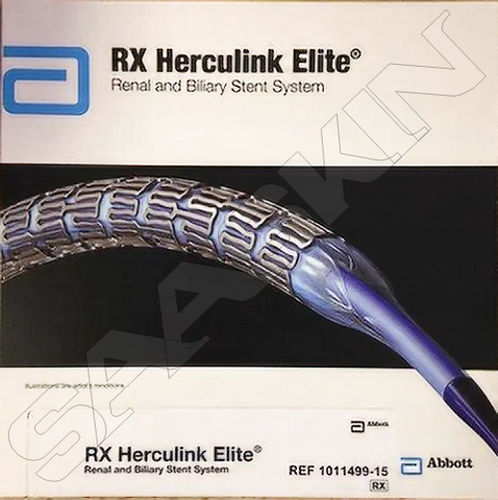
| Brand | Abbott |
| Stent Diameter (mm) | 6.0 |
| Stent Length (mm) | 15 |
| CAT No | 1011499-15 |
| Catheter Length | 135 cm |
The RX Herculink Elite Renal Stent System is indicated for use in patients with atherosclerotic disease of the renal arteries following sub-optimal percutaneous transluminal renal angioplasty (PTRA) of a de novo or restenotic atherosclerotic lesion ( 15 mm in length) located within 10 mm of the renal ostium and with a reference vessel diameter of 4.0 - 7.0 mm. Suboptimal PTRA is defined as 50% residual stenosis, 20 mmHg peak systolic or 10 mmHg mean translesional pressure gradient, flow-limiting dissection, or TIMI [Thrombolysis In Myocardial Infarction] flow < 3.
Enhanced Stent Design for Renal ArteriesThe open-cell configuration of the Herculink Elite SD 6.0 stent is tailored for optimal flexibility within renal vessels, offering effective scaffolding and minimized risk of vessel trauma. Its radiant platinum iridium markers serve to improve placement visualization during procedures, promoting accuracy and clinician confidence.
Ultra-Low Profile and Rapid Exchange TechnologyEngineered with an ultra-low crossing profile of just 0.040" (1.02 mm), this stent system enables smoother access through narrowed vessels. The rapid exchange (RX) catheter further streamlines procedure time, allowing for manual operation and hassle-free guidewire management during renal interventions.
Optimal Safety and ReliabilityManufactured using durable cobalt chromium for high radial strength, the stent system is packaged sterile for single-use application. The non-compliant polyamide balloon ensures precise expansion for accurate stent placement, while the system's silent operation and lightweight build enhance ease of use for medical teams.
FAQ's of Abbott Herculink Elite Renal Stent System (SD 6.0):
Q: How is the Abbott Herculink Elite Renal Stent System (SD 6.0) deployed during a procedure?
A: The system uses a manual balloon-expansion technique. The stent is loaded on a rapid exchange catheter with a non-compliant balloon, allowing physicians to accurately position the stent within a narrowed renal artery and deploy it using manual inflation for optimal vessel support.
Q: What types of guidewire can be used with this stent system?
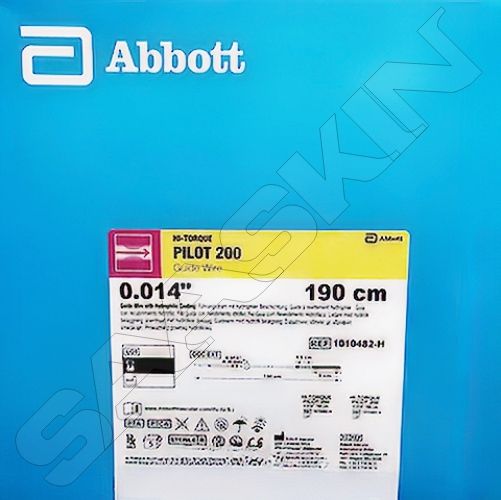
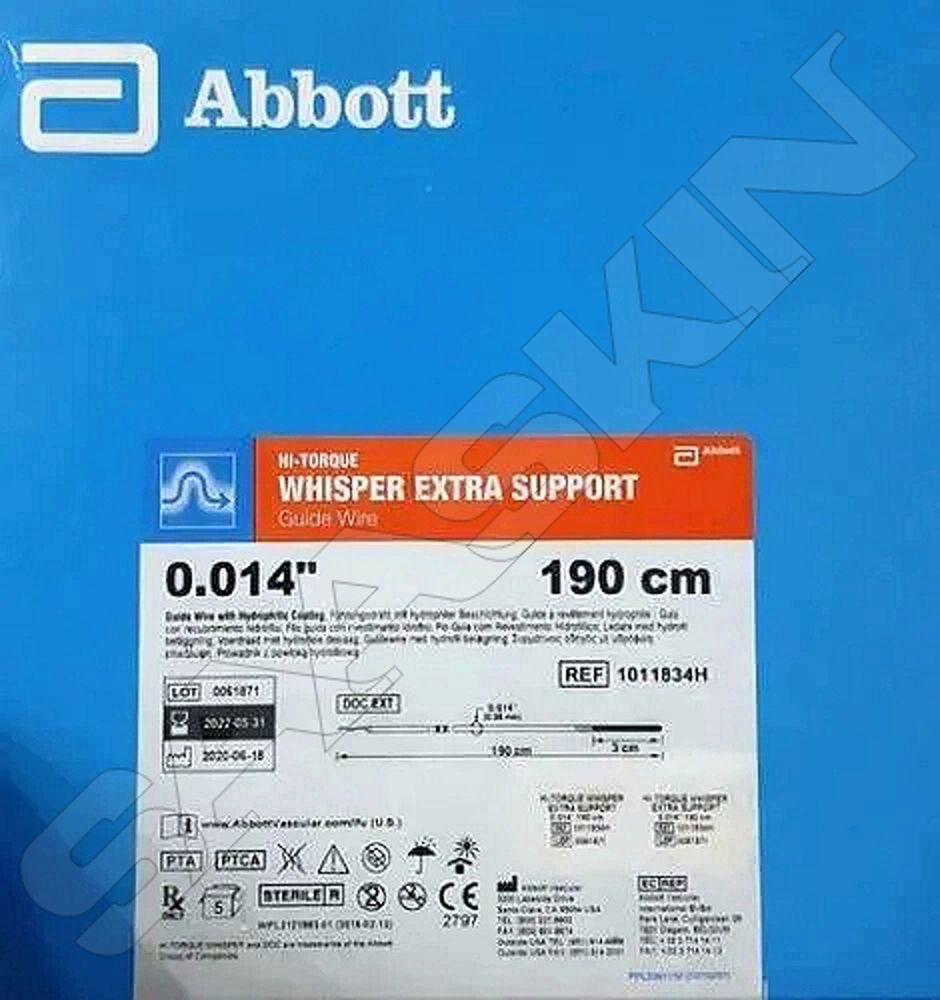
A: The Herculink Elite Renal Stent System is compatible with 0.014" (0.36 mm) guidewires, which are standard for intravascular interventions and help facilitate smooth navigation through the vessel anatomy.
Q: When should this stent system be used?
A: This device is specifically indicated for the treatment of renal artery stenosis-typically when patients exhibit clinical symptoms related to compromised kidney blood flow or when imaging reveals significant arterial narrowing.
Q: Where can the Abbott Herculink Elite stent be placed within the vessel?
A: The stent is designed for renal arteries with diameters ranging from 4.0 mm to 7.0 mm. Its flexible configuration and precise markers allow practitioners to target the most affected segments for optimal blood flow restoration.
Q: What benefits does the open-cell stent design offer?
A: The open-cell structure enhances vessel flexibility and conformability, providing secure arterial support while reducing the risk of vessel injury and promoting straightforward positioning in challenging renal anatomy.
Q: How should the stent system be stored prior to use?
A: The product should be stored in its individually packed sterile packaging in a cool, dry environment to preserve sterility and device integrity throughout its three-year shelf life.
Q: What is the benefit of using a non-compliant polyamide balloon in this system?
A: A non-compliant polyamide (Nylon) balloon allows for controlled, precise stent expansion. It ensures the stent reliably opens to its intended diameter, reducing the risk of over-inflation and enhancing procedural safety.










 Accepts only Export inquiries



 Send Inquiry