Product Description
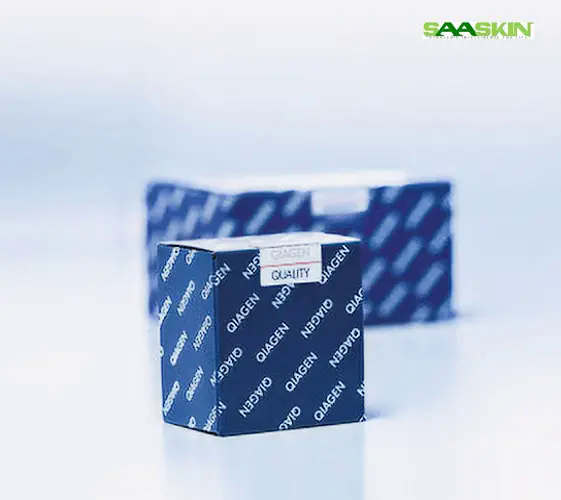
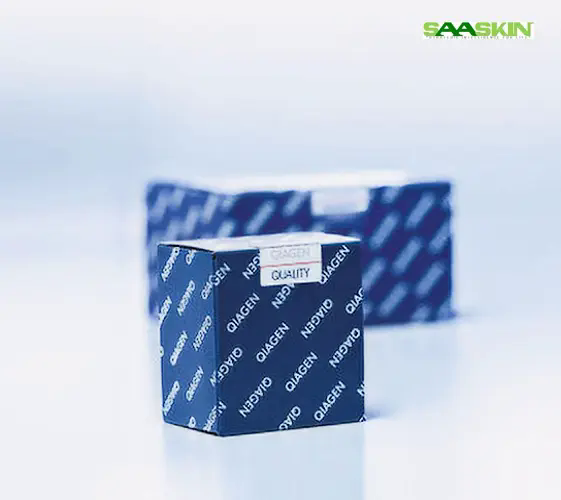
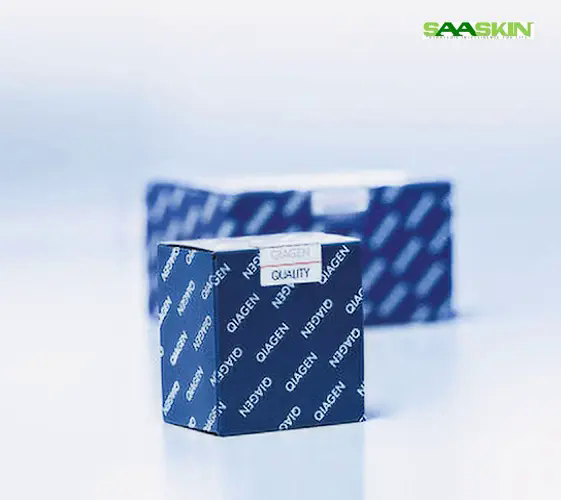
Brand Qiagen
Product Type WTA Kit
Pack Size 48 Wells
CAT No 150054
Application Molecular Reagent
The REPLI-g Cell WGA & WTA Kit uniquely enables uniform whole genome amplification (WGA) and whole transcriptome amplification (WTA) in parallel reactions, allowing direct correlation of the genome with the transcriptome from very small samples (251000 cells). Dedicated buffers and reagents undergo a unique, controlled decontamination procedure to block amplification of contaminating nucleic acids by the REPLI-g method. The innovative lysis buffer effectively stabilizes cellular nucleic acids, ensuring accurate representation of both genomic DNA and RNA levels. Unbiased amplification of genomic DNA and total RNA or mRNA (poly A+) is achieved using innovative Multiple Displacement Amplification (MDA) technology and the novel REPLI-g SensiPhi DNA Polymerase. In contrast to PCR-based amplification technologies, high fidelity rates are increased up to 1000-fold, avoiding costly false positive or negative results.
Comprehensive Single-Cell AnalysisThe REPLI-g Cell WGA & WTA Kit streamlines amplification of both genomic DNA and cDNA from single cells or small cell populations. Its robust reagents deliver unmatched sensitivity and high yields, making it an indispensable tool for researchers working in single-cell genomics, transcriptomics, and downstream NGS library prep.
Efficient and Accurate AmplificationUtilizing Multiple Displacement Amplification and advanced RT chemistry, this kit achieves strong, unbiased genome and transcriptome representation. High-fidelity polymerase minimizes sequence errors, supporting the generation of reliable data from minimal input. Reaction times are optimized: WGA completes in ~8 hours, while WTA is finished in ~2.5 hours.
Flexible Application and User-Friendly DesignThis kit is compatible with a broad range of eukaryotic samples, including human and animal cells. It comes with all necessary reagents and detailed protocols. The kit is manually operated and portable, suitable for various laboratory setups. Its dry ice shipping ensures enzyme integrity, and components remain stable at -20C.
FAQ's of Qiagen REPLI-g Cell WGA & WTA Kit (48):
Q: How does the REPLI-g Cell WGA & WTA Kit amplify DNA and cDNA from single cells?
A: The kit uses Multiple Displacement Amplification (MDA) for whole genome amplification and Reverse Transcription (RT) for whole transcriptome amplification, enabling simultaneous high-yield and accurate DNA and cDNA generation from single or few cells.
Q: What types of samples are compatible with this kit?
A: This kit is designed for single cells or small numbers of sorted cells from human, animal, or other eukaryotic species, allowing for flexibility in research applications.
Q: When should I choose this kit for my experiments?
A: Select the REPLI-g Cell WGA & WTA Kit when you require high-fidelity amplification from minute cellular material-for example, in single-cell genomics, gene expression profiling, or next-generation sequencing library preparation.
Q: Where should the kit be stored and are there specific storage requirements?
A: Store the kit at -20C to maintain reagent activity and shelf life. Refer to the product packaging for detailed expiry information, typically 12 months from the manufacturing date.
Q: What is the process for using the kit, and what is included?
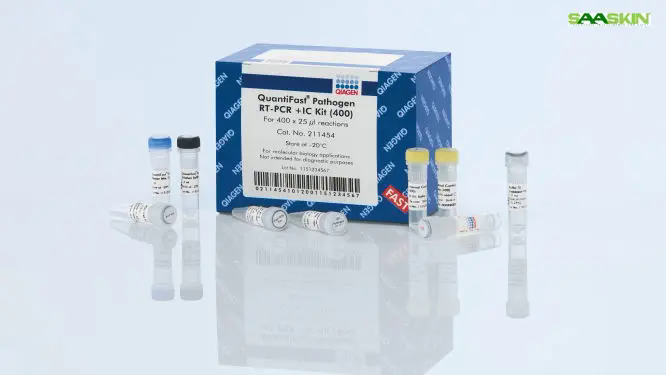
A: The process involves cell lysis, reverse transcription (for WTA), and isothermal amplification. The kit contains Cell Lysis Buffer, REPLI-g sc DNA Polymerase, Mastermix, RT Mix, Nuclease-Free Water, and a protocol booklet to guide your work.
Q: Can the kit support downstream next-generation sequencing workflows?
A: Yes, the high-yield and unbiased amplification products generated by the kit are suitable for various downstream applications, including NGS library preparation for both DNA and RNA analyses.
Q: What are the primary benefits of using this kit in a laboratory setting?
A: Its key advantages include high amplification yields, excellent genome and transcriptome representation, parallel WGA and WTA capabilities, compatibility with diverse eukaryotic samples, and manual, user-friendly operation.












 Accepts only Export inquiries



 Send Inquiry