Product Description
| Brand |
Snibe |
| Sample Type |
Serum |
| Pack Size |
100T |
| CAT No. |
130211003M |
| Application |
Bone Metabolism |
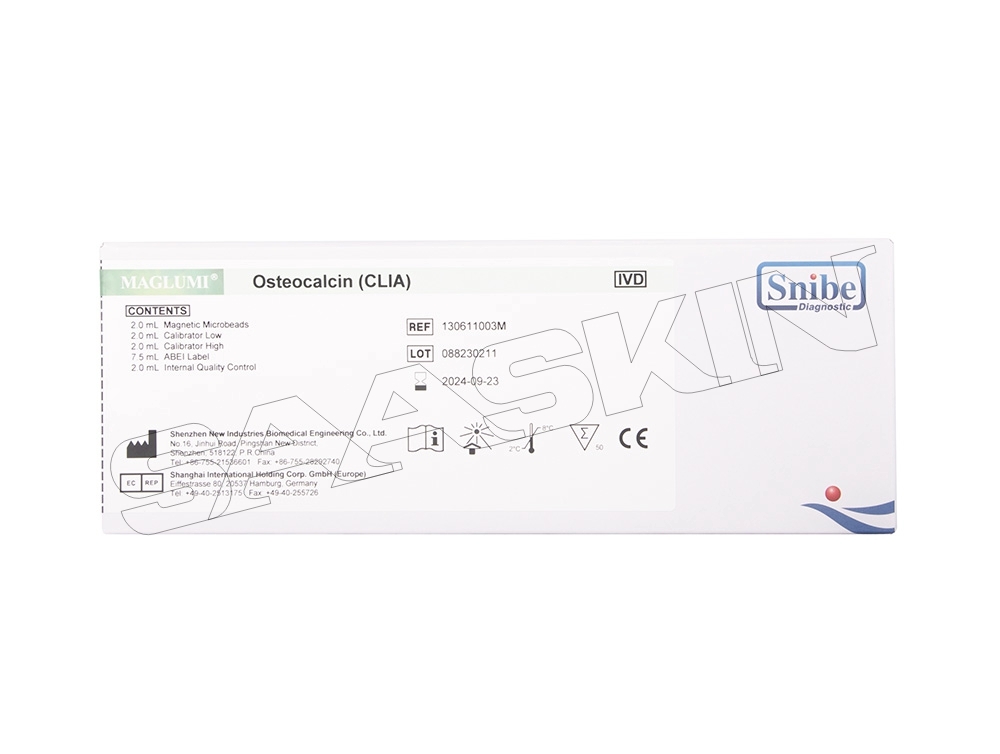
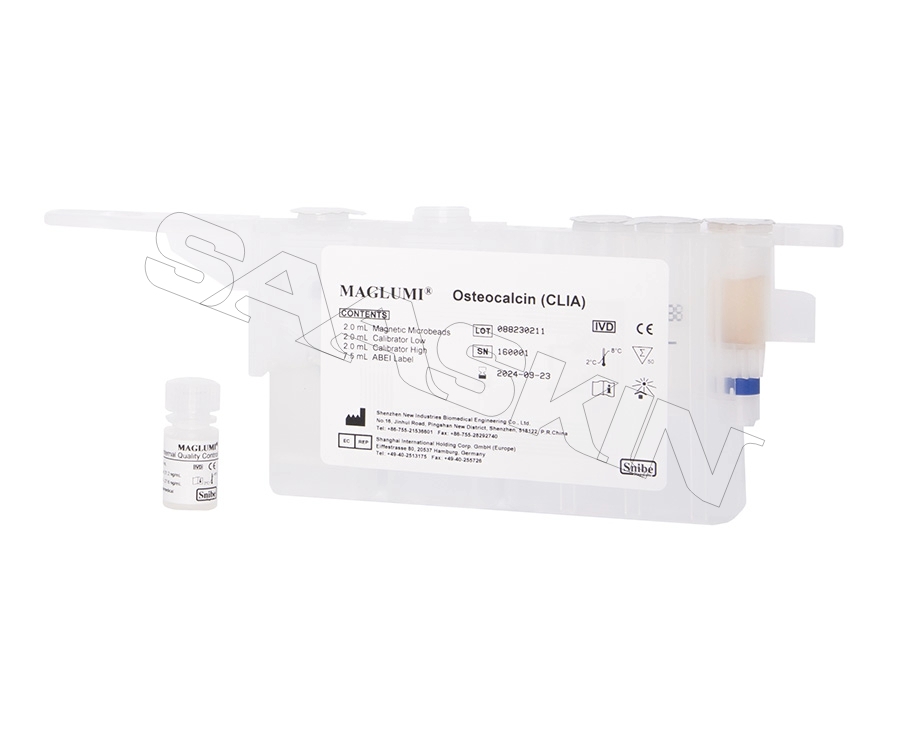
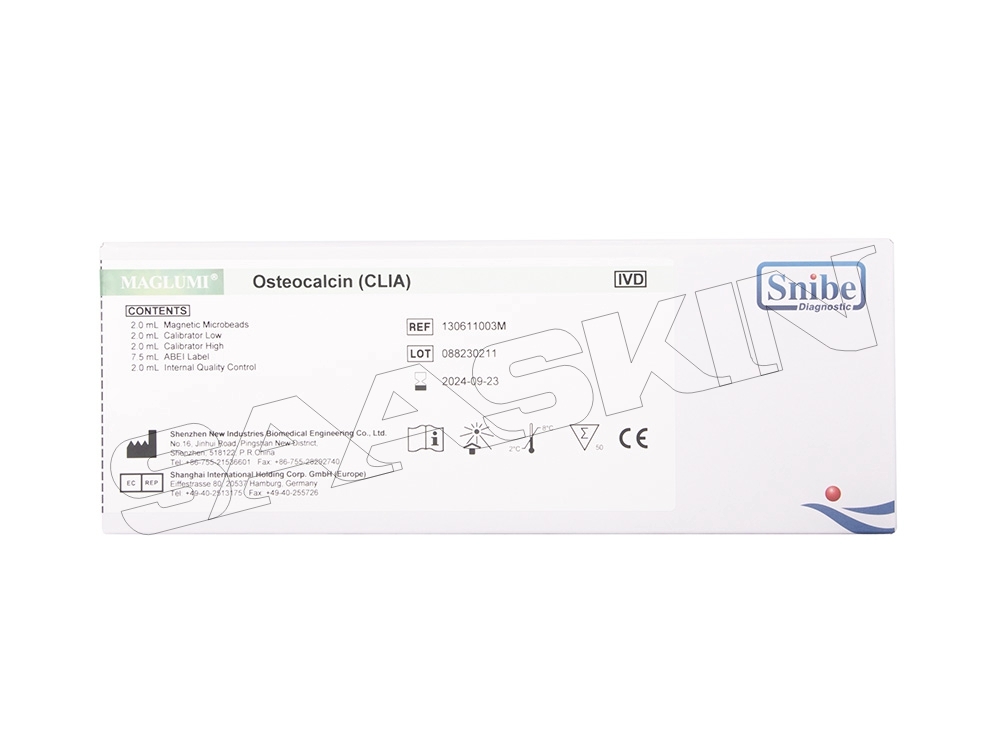
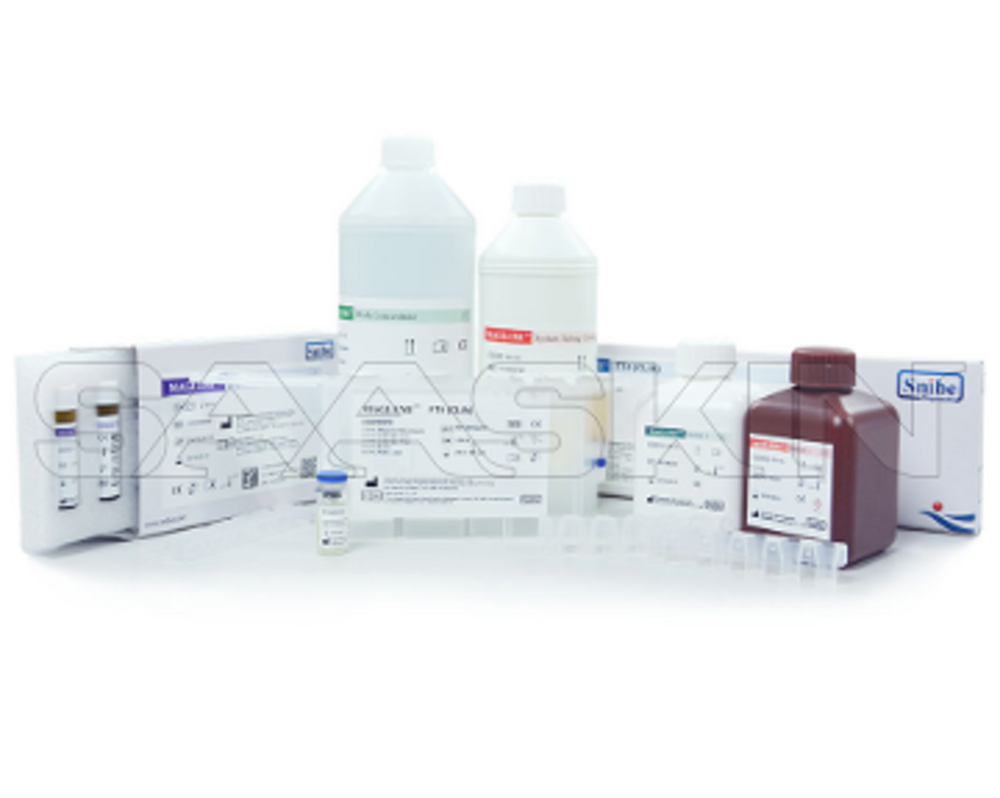
The kit has been designed for the quantitative determination of Osteocalcin (BGP) in human serum. The method can be used for samples over the range of 0-300ng/ml. The test has to be performed on the MAGLUMI chemiluminescence immunoassay (CLIA) fully auto analyzer (Including MAGLUMI 1000, MAGLUMI 2000, MAGLUMI 2000 Plus and new developed models).
Advanced Bone Metabolism TestingSnibe MAGLUMI Osteocalcin (CLIA) offers precise monitoring of bone formation and remodeling by quantifying osteocalcin, also known as bone Gla protein, in human serum samples. This marker provides valuable insight into bone metabolism for clinical diagnostics and management.
Efficient Chemiluminescent TechnologyWith its two-step chemiluminescence immunoassay, the kit ensures high-throughput, automated operation, handling up to 180 tests per hour depending on the analyzer. The workflow is compatible with the full Snibe MAGLUMI analyzer range, ensuring reliability and consistency in results.
Ready-to-Use and User-Friendly FormatAll necessary components-including magnetic microbeads, enzyme conjugates, calibrators, buffers, substrates, and controls-are supplied in a single, neatly packaged kit. The system features a rapid 40-minute assay time, with simple batch or continuous loading and minimal manual intervention.
FAQ's of Snibe MAGLUMI Osteocalcin (CLIA):
Q: How is the Snibe MAGLUMI Osteocalcin (CLIA) kit used in laboratory settings?
A: The kit is specifically designed for use with Snibe MAGLUMI series immunoassay analyzers. Once human serum samples are prepared, the kit components are loaded into the analyzer, and the automated system performs a two-step chemiluminescent immunoassay to quantify osteocalcin levels.
Q: What are the main benefits of using this osteocalcin assay for bone metabolism assessment?
A: This assay provides high sensitivity and specificity for detecting and quantifying osteocalcin, a key bone metabolism marker, supporting clinicians in diagnosing and monitoring bone disorders. Its automation compatibility and rapid turnaround time ensure efficient workflow and reliable results.
Q: When should the osteocalcin assay be ordered for a patient?
A: The osteocalcin test is typically ordered when evaluating bone turnover, monitoring osteoporosis, or managing metabolic bone diseases. Consult clinical guidelines or a physician to determine the most appropriate timing and indications for the assay.
Q: Where can the Snibe MAGLUMI Osteocalcin (CLIA) kit be used, and who can operate it?
A: The kit is intended for use in clinical laboratories, hospitals, and diagnostic centers equipped with Snibe MAGLUMI analyzers. Operation should be performed by trained laboratory professionals familiar with immunoassay procedures.
Q: What is the assay process and how long does it take to obtain results?
A: The testing process involves loading the reagents and human serum sample onto the analyzer, which then conducts the two-step chemiluminescence immunoassay automatically. The entire procedure takes approximately 40 minutes per batch or per continuous run, depending on the laboratory workflow.
Q: How should the osteocalcin kit be stored for optimal performance?
A: Store the kit at 2-8C, avoiding freezing and direct sunlight, to maintain reagent stability. Proper storage is essential to ensure the kit's usability for up to 12 months from its manufacturing date.











 Accepts only Export inquiries



 Send Inquiry