Product Description
| Brand | Zybio |
| Sample Type | Serum/ Plasma |
| Pack Size | R1: 3 x 30 ml , R2:3 x 10 ml |
| CAT No | Hs-CRP |
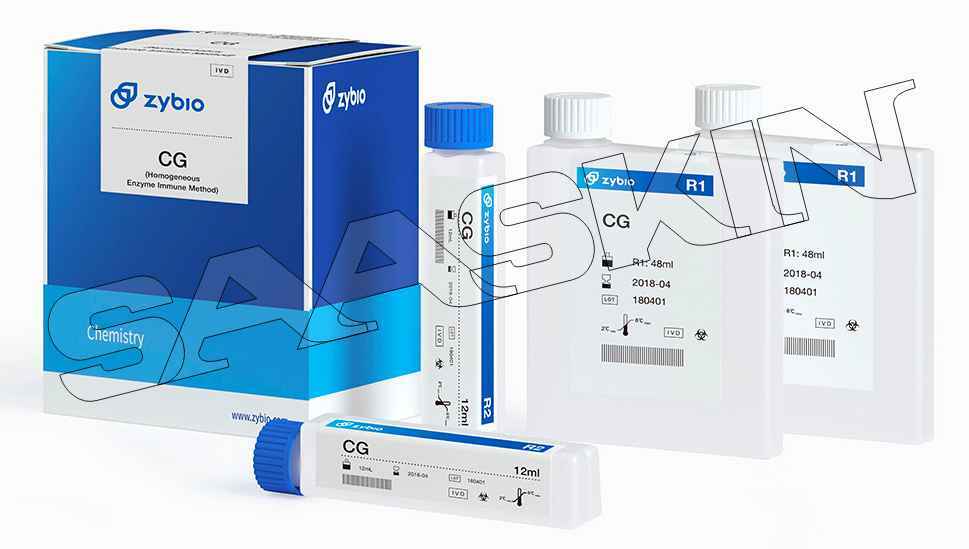
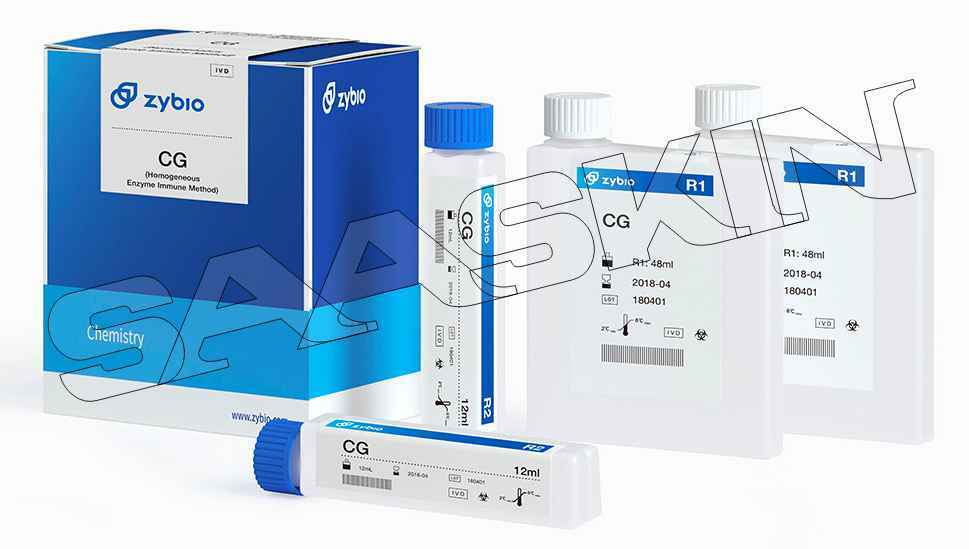
ZYBIO High Sensitive C-Reactive Protein (hs-CRP) reagent is designed for accurate quantitative determination of hs-CRP levels in serum and plasma samples. The assay provides highly sensitive and accurate measurement of low concentrations of CRP, supporting the assessment of systemic inflammation and cardiovascular disease risk.
Advanced hs-CRP Detection TechnologyUtilizing Latex-Enhanced Immunoturbidimetric Assay, the EXC High Sensitive C-Reactive Protein Analyzer ensures highly sensitive and accurate detection of C-reactive protein levels. Its automated features simplify operation, making it a reliable choice for laboratories in need of fast and dependable results for inflammation assessment.
Portable and Laboratory-Friendly DesignThis analyzer is engineered for flexibility and ease of use. Its portable build allows for effortless relocation across laboratory spaces without the need for wall installation. The equipment is suited for a range of laboratory applications, offering robust performance while meeting India's diagnostic standards.
FAQ's of EXC High sensitive C-Reactive Protein:
Q: How does the EXC High Sensitive C-Reactive Protein Analyzer operate?
A: The analyzer works automatically using Latex-Enhanced Immunoturbidimetric Assay (LTIA), which measures minute concentrations of hs-CRP in blood samples with high precision. Real-time results are generated, ensuring efficient laboratory workflows.
Q: What are the primary uses of this hs-CRP analyzer in laboratories?
A: This device is used for the determination of high-sensitivity C-reactive protein, an important biomarker for inflammation and cardiovascular risk assessment. It's ideal for routine diagnostics and specialized medical evaluations.
Q: When should samples be analyzed using the EXC hs-CRP Analyzer?
A: Samples should be analyzed whenever there's a clinical requirement to assess inflammatory status or monitor cardiovascular disease risks. Always use the instrument within its recommended temperature storage conditions (2 to 8C) for optimal performance.
Q: Where is this biochemistry analyzer typically used?
A: Primarily intended for laboratory use, the analyzer can be employed in clinical labs, research facilities, and hospital diagnostic centers across India, thanks to its compact and portable design.
Q: What is the process for operating the analyzer?
A: To operate, load the blood sample into the analyzer, select the appropriate test protocol, and allow the instrument to automatically process and display real-time hs-CRP results. Detailed instructions are provided in the user manual.
Q: Are there portability and installation advantages with this device?
A: Yes, the analyzer's portable design eliminates the need for wall mounting, enabling flexible placement and easier handling within laboratory settings.
Q: What benefits does real-time operation offer with this analyzer?
A: Real-time operation ensures immediate results, supporting prompt clinical decisions and improving patient care by reducing waiting times for hs-CRP measurements.












 Accepts only Export inquiries




 Send Inquiry