Product Description
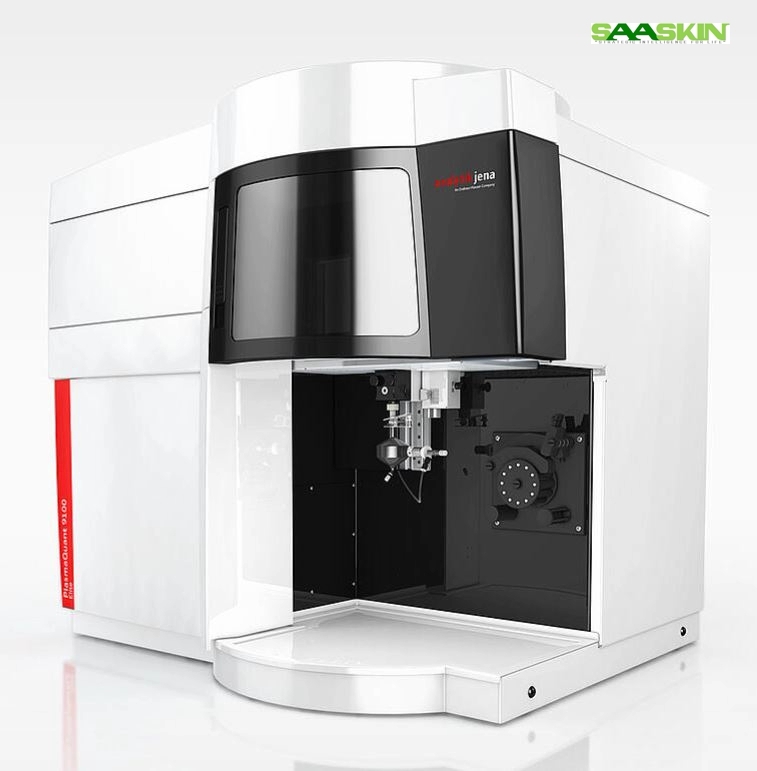
Brand Analytikjena
Model 9100
Capacity ? 3.5 pm for as 193.696, Tl 190.796
CAT No 818-09101-2
Application Elemental Analyzer
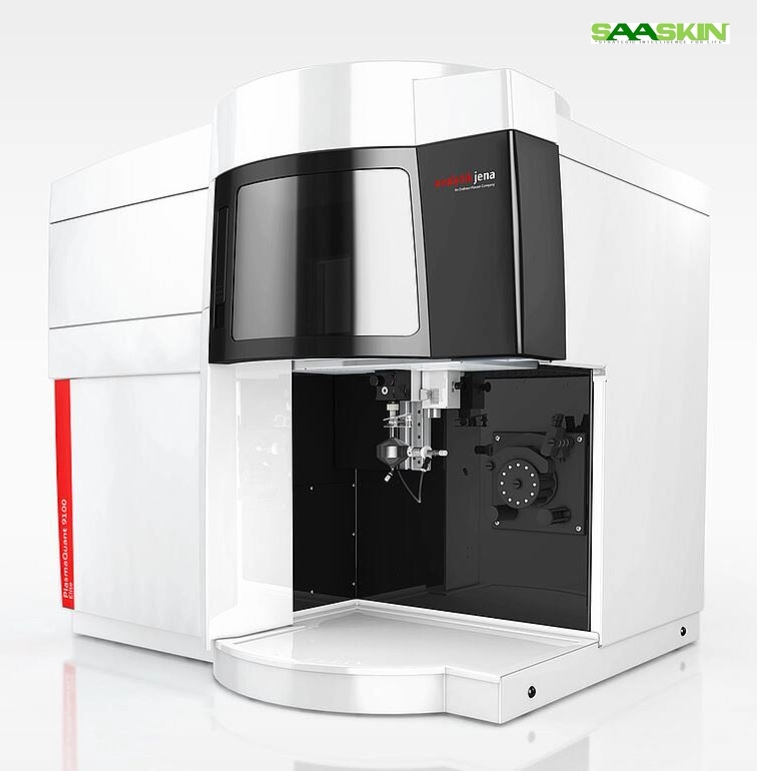
The unique performance of PlasmaQuant 9100 ICP-OES instruments is a result of all its features combined like the high spectral resolution, the powerful plasma system, the smart torch design and the flexible dual view feature. Especially the interplay of spectral resolution, matrix tolerance and sensitivity opens a tremendous analytical potential for trace element analysis in almost any sample type with particular advantages for high matrix samples.
Exceptional Analytical PerformanceThe PlasmaQuant 9100 Elite achieves high spectral resolution with an optical system capable of resolving 2 pm at 200 nm. Detection limits reach as low as ng/L for certain elements, delivering reliable quantification even in complex matrices. Its advanced solid-state CID detector ensures data integrity and accuracy required for compliance with EPA, ISO, EN, and ASTM standards.
User-Friendly AutomationWith fully automatic operation through the ASpect PQ analytical software and a 7-inch touchscreen display, users experience straightforward method development, sample handling, and reporting. The system supports rapid analysis with programmable integration times and can process up to 80 samples per hour through simultaneous multi-element detection, optimizing laboratory productivity.
Adaptable and Efficient DesignEngineered to handle diverse sample types, the instrument offers inert, high-efficiency, or Babington nebulizer options and supports plasma gas flow rates from 0.5-20 L/min. Its robust construction from high-grade steel and plastics enhances resistance to corrosion, making it suitable for demanding environments in Indian laboratories and beyond. External chiller operation ensures consistent performance within ambient temperatures of 15-35C.
FAQ's of Analytikjena PlasmaQuant 9100 Elite High resolution ICP-OES:
Q: How does the PlasmaQuant 9100 Elite achieve such low detection limits for elemental analysis?
A: The high spectral resolution optical system, superior plasma stability, and sensitive solid-state CID detector combine to provide extremely low detection limits, reaching ng/L (parts per trillion) for certain elements. Optimized gas flow and a choice of advanced nebulizers further minimize background noise and enable reliable trace analysis.
Q: What sample types and matrices can be analyzed using this ICP-OES system?
A: The PlasmaQuant 9100 Elite can handle a wide spectrum of samples, including environmental waters, food and beverage matrices, pharmaceutical formulations, chemicals, and materials. Its flexible nebulizer choices and robust construction accommodate both routine and challenging matrices, ensuring versatility across several industries.
Q: When is the use of an external chiller necessary for the instrument?
A: Continuous operation of the plasma system generates significant heat. An external chiller is required for cooling, with a recommended water consumption of 2-4 L/min, to maintain optimal instrument performance and stability during analysis. The chiller itself is not included with the system and should be provided separately.
Q: Where can the PlasmaQuant 9100 Elite be installed and operated safely?
A: This instrument is suitable for laboratory environments with ambient temperatures between 15-35C and humidity below 80%. The system's corrosion-resistant steel and plastic housing make it durable and well-adapted for Indian laboratory conditions, whether in research, quality control, or contract testing settings.
Q: What is the typical sample throughput, and how does the software aid in automation?
A: The instrument is capable of analyzing up to 80 samples per hour. The ASpect PQ software supports fully automated control, method development, calibration, data processing, and reporting, making high-throughput and consistent analyses possible with minimized manual intervention.
Q: How does the PlasmaQuant 9100 Elite benefit laboratories in terms of cost and efficiency?
A: Its simultaneous multi-element detection, programmable operation, and high sample throughput translate to significant time and resource savings. Coupled with high analytical accuracy and compliance with major standards, laboratories can achieve reliable results efficiently, reducing repetitive analyses and operational costs.











 Accepts only Export inquiries



 Send Inquiry