Product Description
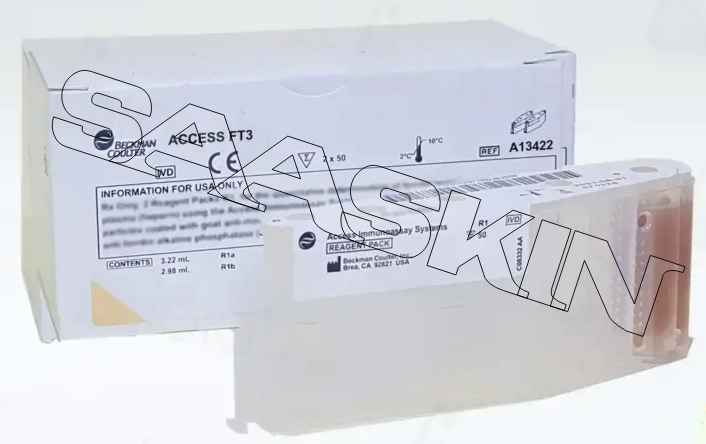
| Brand | Beckman Coulter |
| Sample Type | Serum/ Plasma |
| Pack Size | 2 x 50T |
| CAT No. | A13422 |
Application
| Tumor Marker |
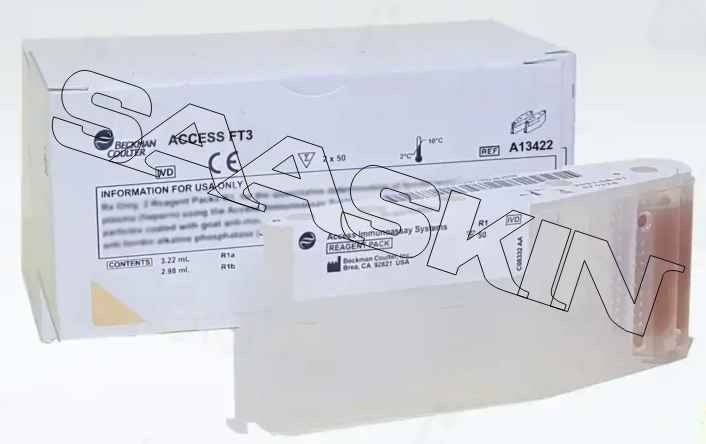
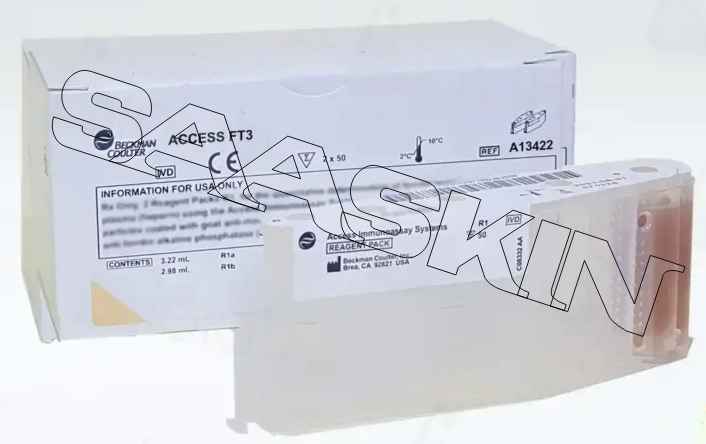
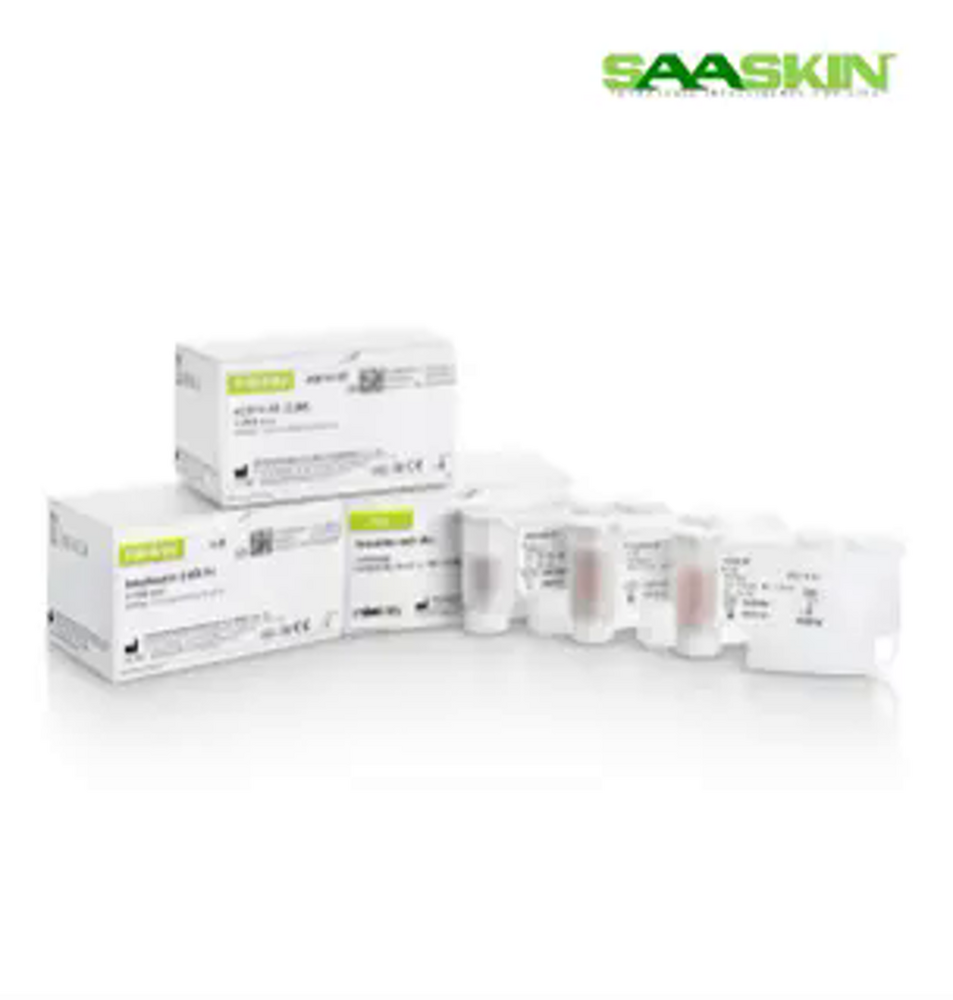
Beckman Coulter Access Free T3 (CLIA) is a high-performance Chemiluminescent Immunoassay (CLIA) reagent designed for the quantitative determination of Free Triiodothyronine (Free T3) in human serum and plasma. The Beckman Coulter Access Free T3 Reagent is widely used for the diagnosis and monitoring of hyperthyroidism, hypothyroidism, Graves' disease, thyroid hormone disorders, and other thyroid-related conditions.
Advanced CLIA TechnologyThe BC Access Free T3 employs Chemiluminescence Immunoassay (CLIA) technology, renowned for its accuracy and reliability in hormone detection. This cutting-edge approach ensures consistent, sensitive results, vital for thyroid diagnostics in laboratory environments.
Portable and User-Friendly DesignDesigned for laboratory portability, this analyzer is not wall mounted, allowing flexible placement and easy transportation. Its automatic features streamline the testing process, reducing the likelihood of user error and enabling efficient workflows in diverse settings.
Consistent and Secure StorageTo maintain optimal performance, the BC Access Free T3 must be stored at temperatures between 2 to 10C. Adhering to these guidelines preserves reagent integrity and ensures the system performs reliably with every use.
FAQ's of BC Access Free T3 (CLIA):
Q: How does the BC Access Free T3 (CLIA) Analyzer operate?
A: This analyzer works automatically using Chemiluminescence Immunoassay (CLIA) technology, providing real-time detection of Free Triiodothyronine (Free T3) with minimal manual intervention.
Q: What are the primary benefits of using this CLIA Analyzer in laboratories?
A: The analyzer offers rapid, accurate, and sensitive Free T3 level assessments, supporting swift clinical decision-making and enhancing workflow efficiency due to its automatic and portable design.
Q: When should the BC Access Free T3 (CLIA) Analyzer be used?
A: It is best used in clinical laboratories when thyroid function needs to be evaluated, specifically for determining Free T3 levels as part of patient endocrine assessments.
Q: Where can the analyzer be utilized most effectively?
A: The device is ideal for laboratory settings that require reliable thyroid hormone assessment. Its portability makes it suitable for spaces lacking wall mount provisions.
Q: What is the recommended process for storing the analyzer and its reagents?
A: Store the analyzer and its associated reagents at temperatures between 2 to 10 degrees Celsius to maintain their stability and effectiveness.
Q: How does real-time operation support laboratory workflows?
A: Real-time operation allows immediate processing and analysis of results, reducing turnaround time and enabling clinicians to make quicker and more informed decisions.











 Accepts only Export inquiries



![ZYBIO EXI Cancer Antigen 15-3 [CA 15-3] (CLIA)](https://cpimg.tistatic.com/13024874/b/4/ZYBIO-EXI-Cancer-Antigen-15-3-CA-15-3-CLIA-.png?tr=w300)
 Send Inquiry