Product Description
| Brand | SD Biosensor |
| Sample Type | Serum/ Plasma/ WB |
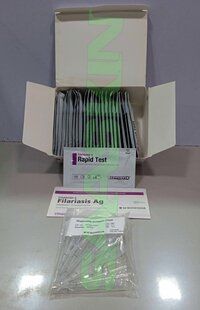
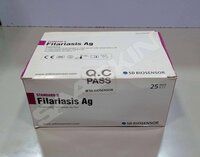
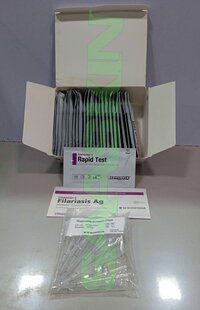
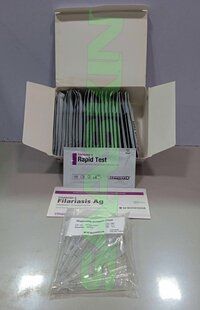
| Pack Size | 25T |
| CAT No | 09FIL10D |
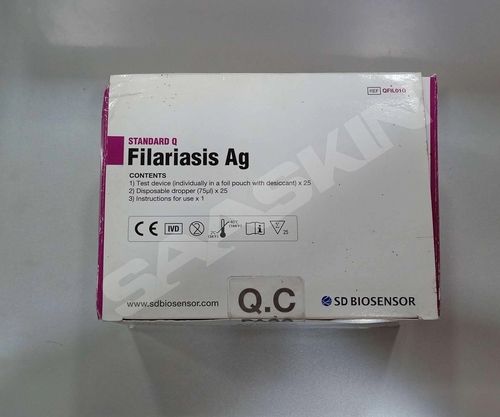
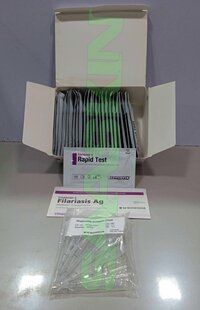
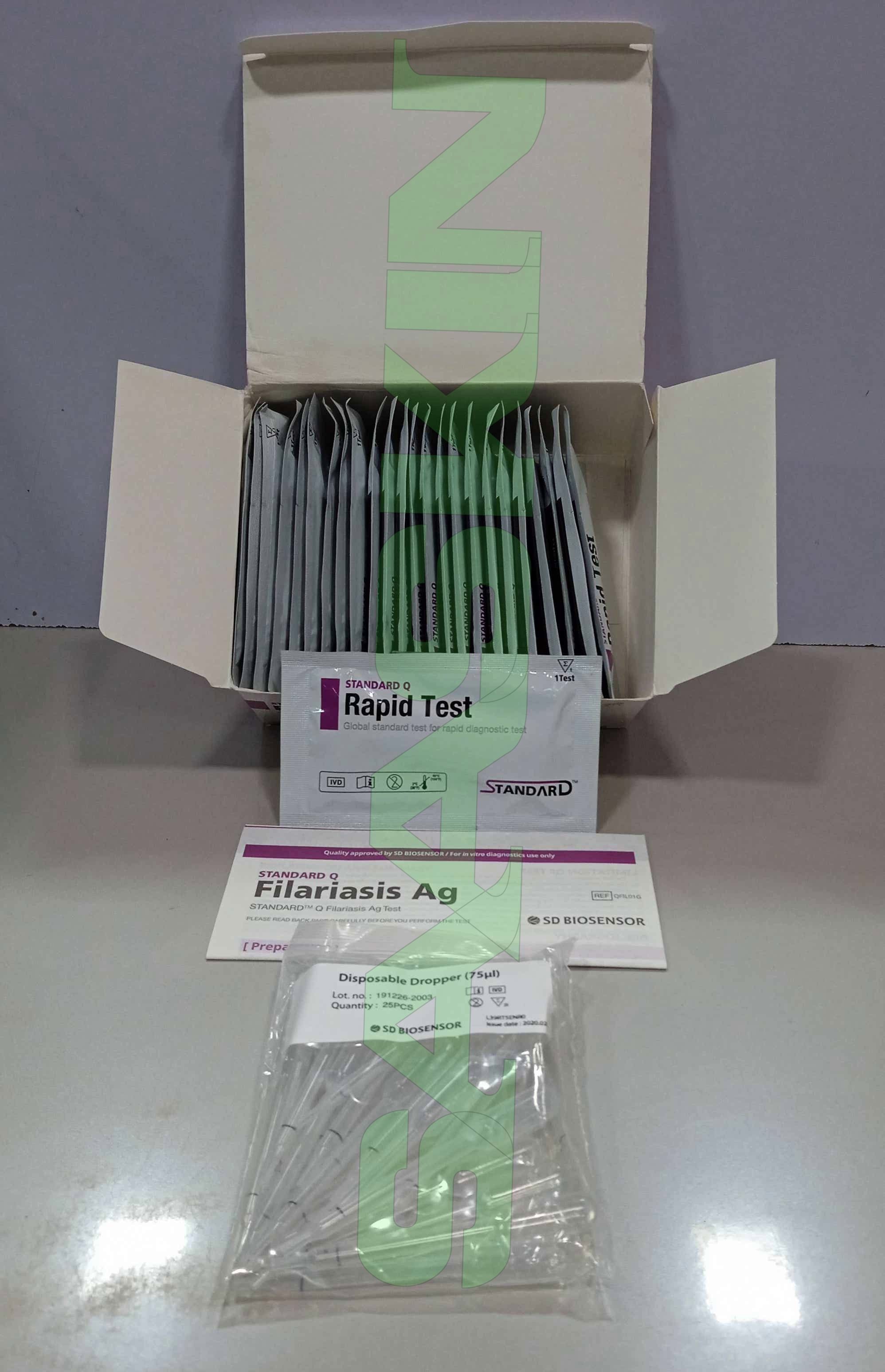
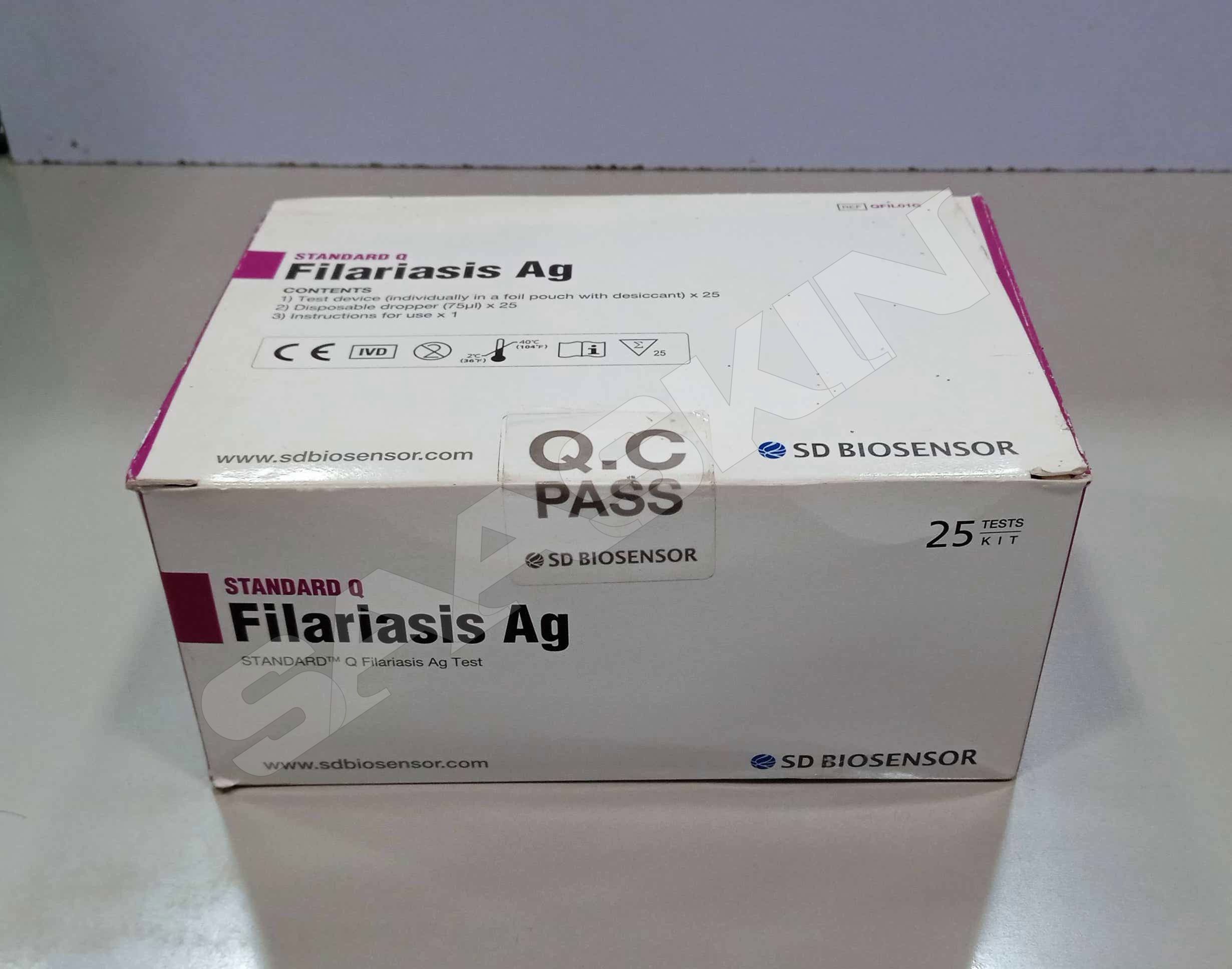
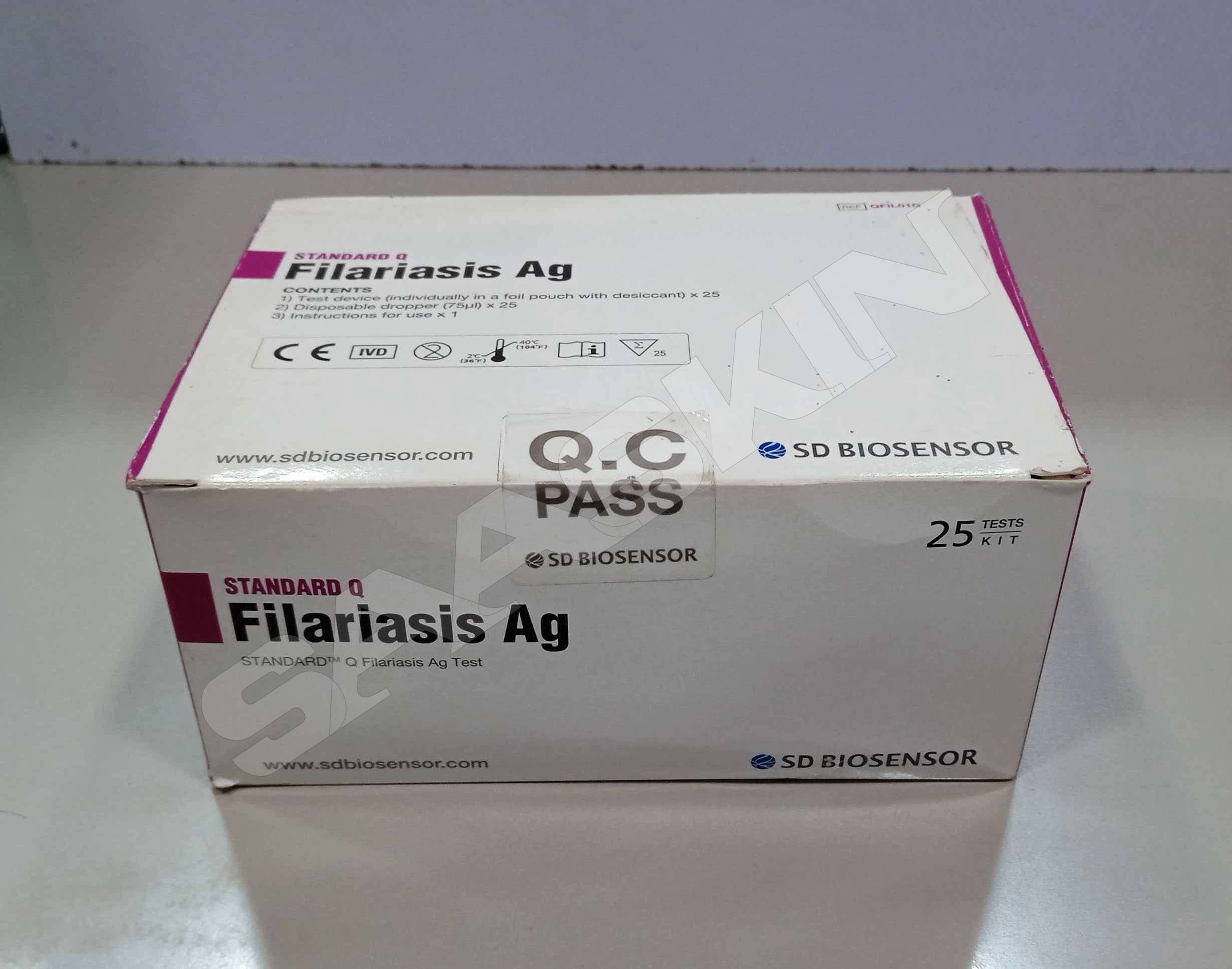
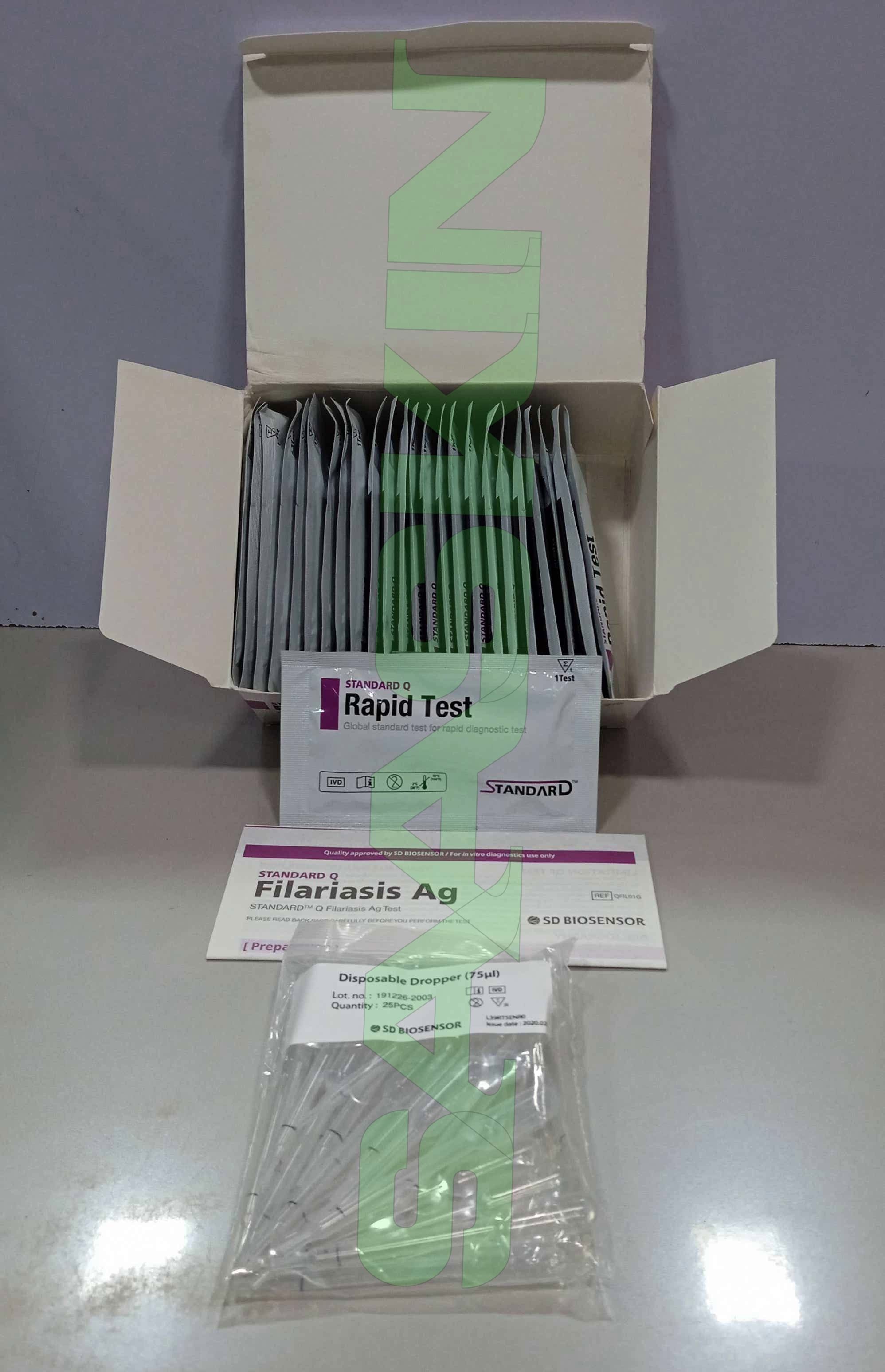
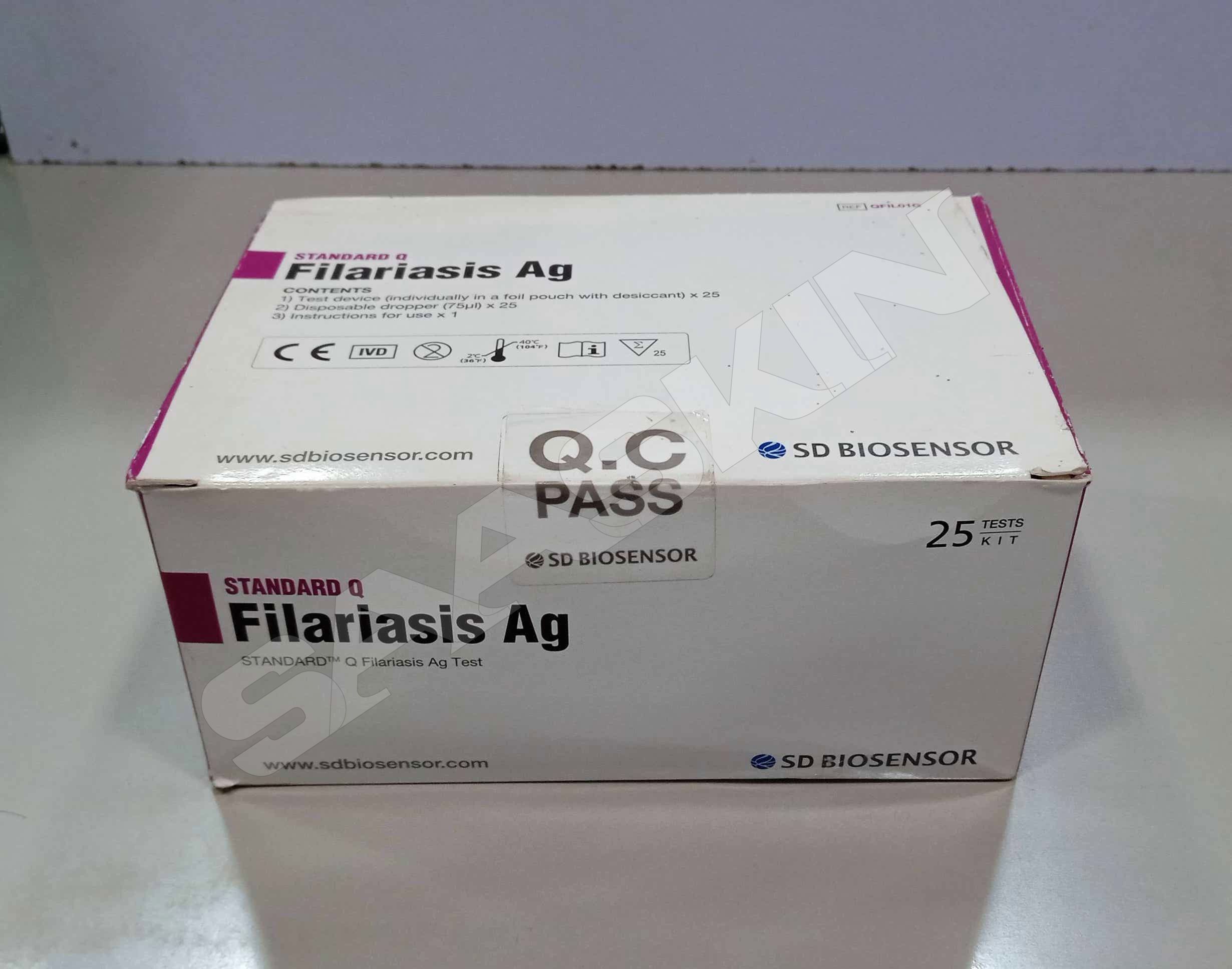
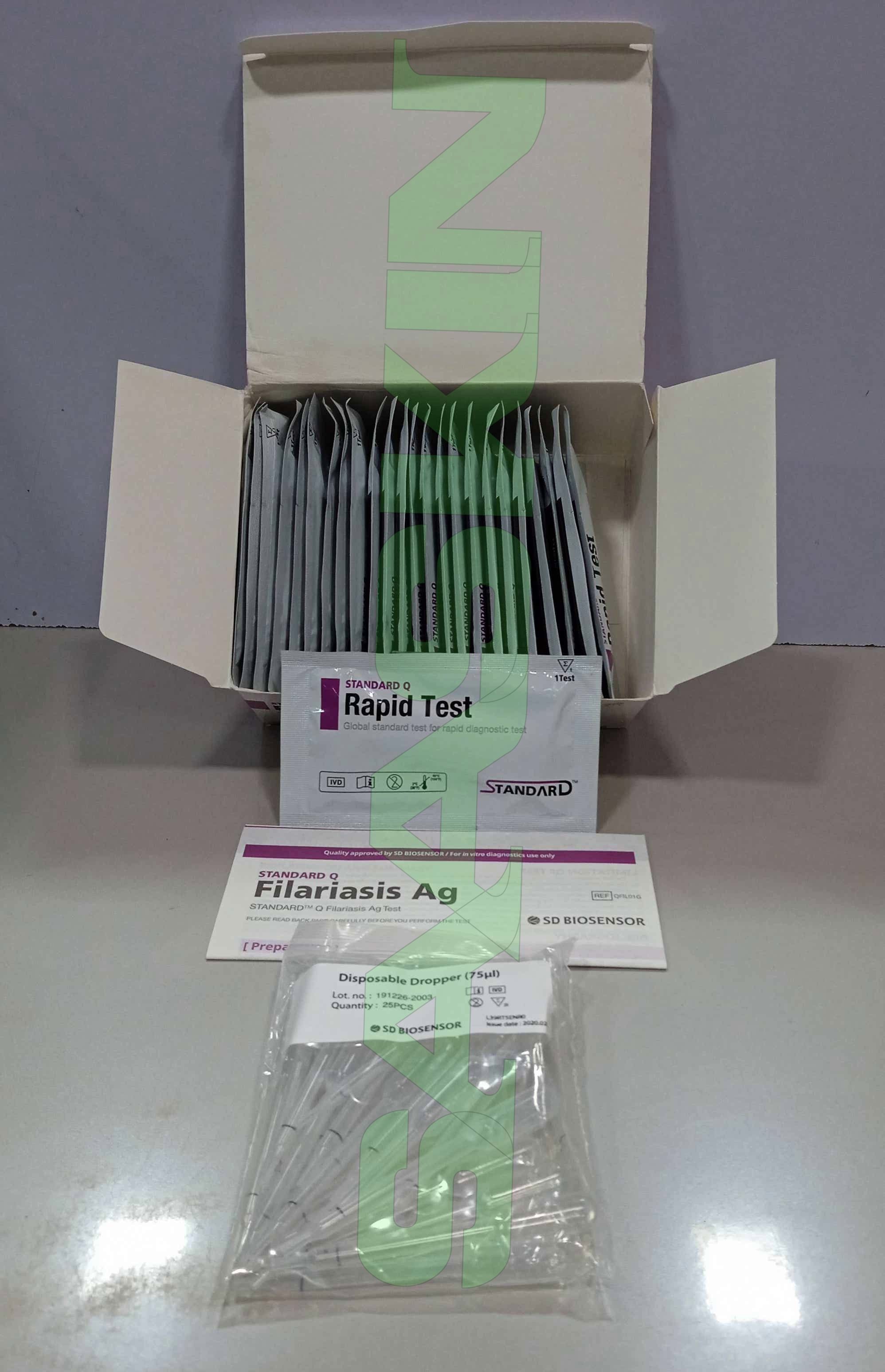
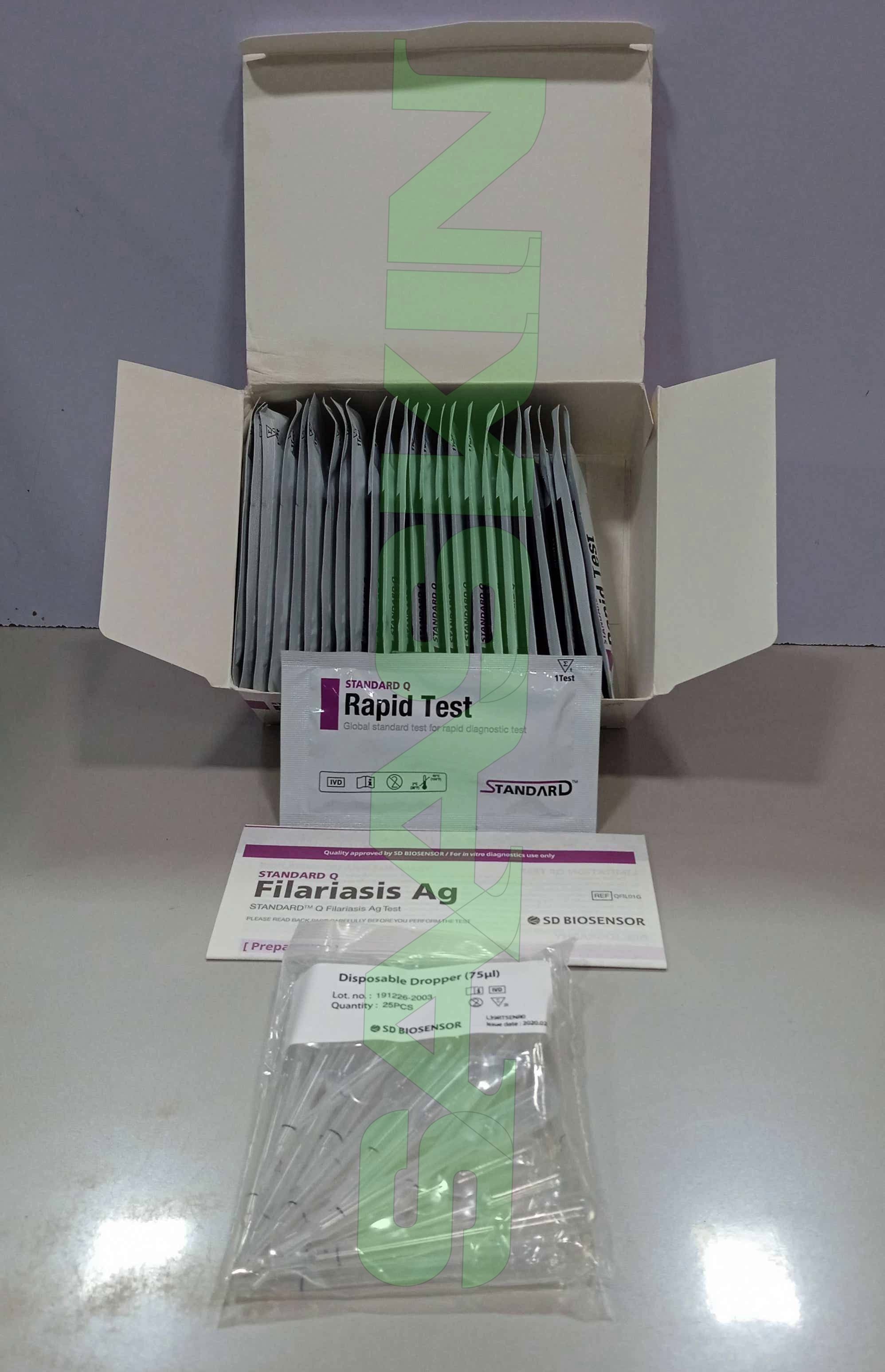
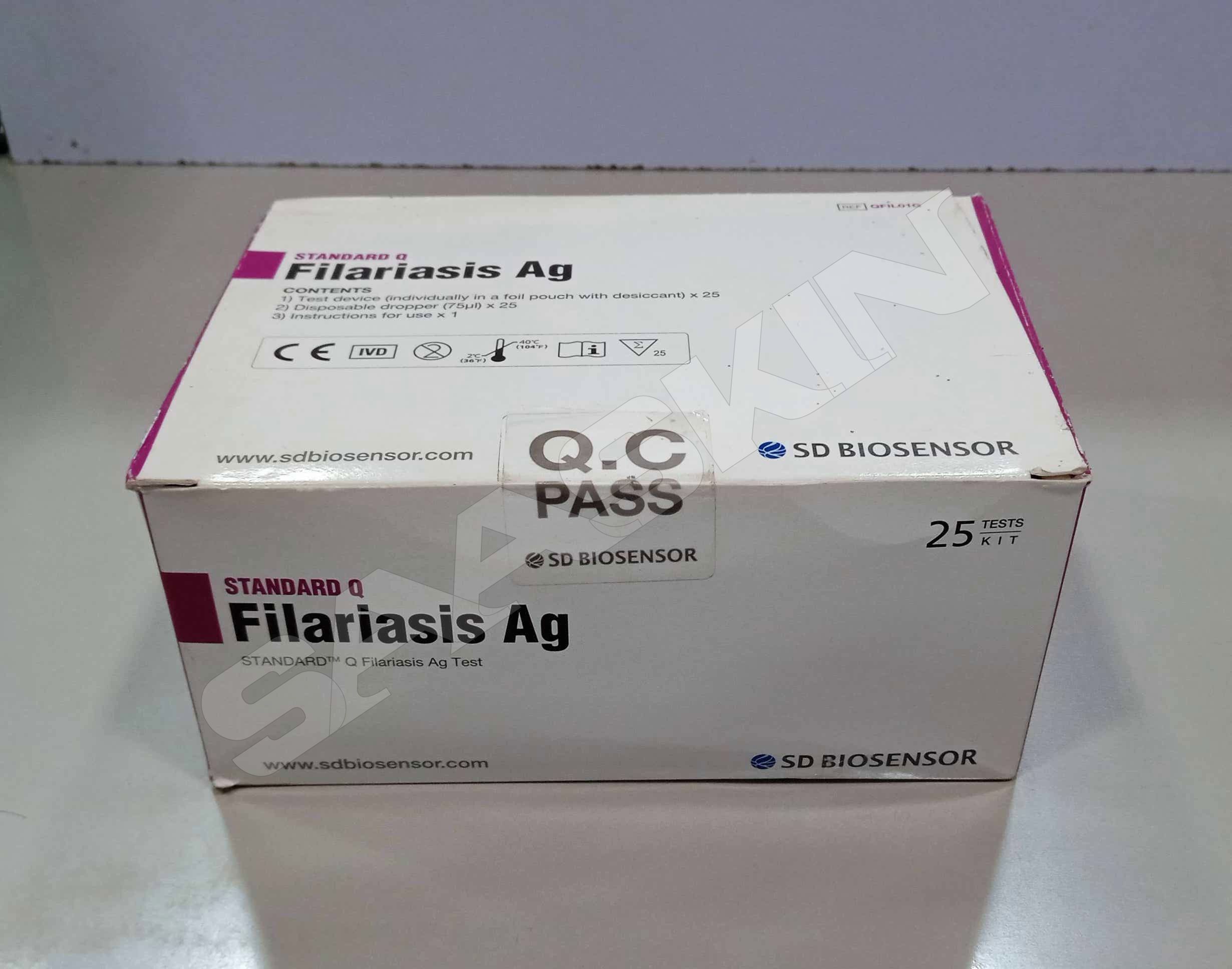
STANDARD Q Filariasis Ag Test is an immunochromatographic assay for the detection of Wuchereria bancrofti antigens in human serum, plasma, or whole blood specimens. This test kit is for in vitro diagnostics use only. This is intended for professional use, only for an initial screening test.
Efficient Field & Clinical DiagnosisDesigned for both clinical and field environments, the STANDARD Q Filariasis Ag kit allows healthcare professionals to rapidly screen for Wuchereria bancrofti antigen. Its portable and compact design makes deployment feasible in resource-limited settings, supporting efforts to control filariasis with minimal infrastructure.
Accurate and Reliable ResultsWith over 99% sensitivity and specificity, this rapid diagnostic test offers healthcare providers confidence in diagnosing lymphatic filariasis quickly. The qualitative visual display and clear instructions make result interpretation straightforward, reducing the likelihood of user error.
Simple Operation, Single Use TechnologyOperation of the test is fully manual and requires no external equipment. Each kit is for single use and can be rapidly disposed of following biomedical waste guidelines, minimizing contamination risks while prioritizing user safety.
FAQ's of SD Biosensor STANDARD Q Filariasis Ag:
Q: How is the SD Biosensor STANDARD Q Filariasis Ag test performed?
A: To perform the test, collect approximately 75-100 L of human whole blood, serum, or plasma. Add the sample to the test cassette using the provided dropper. Next, add the buffer and allow the cassette to sit undisturbed for 10-15 minutes. Results are interpreted visually by reading the colored bands that appear in the result window.
Q: What does the test detect and how accurate is it?
A: The kit detects Wuchereria bancrofti antigen, which indicates lymphatic filariasis infection. According to the manufacturer, the test demonstrates greater than 99% sensitivity and specificity, making it highly reliable for qualitative diagnosis.
Q: When and where should this test kit be used?
A: The kit is intended for use by trained healthcare professionals in clinical or field settings where rapid detection of lymphatic filariasis is critical. It is suitable for outreach, surveillance, and diagnostic efforts in both healthcare facilities and remote locations.
Q: What is the process for interpreting test results?
A: After application of the sample and buffer, colored bands will develop in the result window within 10-15 minutes. The presence or absence of these bands indicates a positive or negative result for filariasis antigen. Detailed result interpretation instructions are included in the kit.
Q: How should the test be disposed of after use?
A: The used cassette, dropper, and any consumables are considered biohazardous and must be disposed of according to local biomedical waste management guidelines to ensure the safety of users and the environment.
Q: What are the storage requirements and shelf life of the kit?
A: Store the test kits at 2-30C, avoiding freezing conditions. The kits have a shelf life of 18 months from the date of manufacture, and should remain sealed until use for optimal performance.
Q: What are the benefits of using this rapid test kit?
A: Key benefits include fast turnaround (results in 10-15 minutes), ease of use, high portability for point-of-care testing, and accurate, reliable results. The kit does not require special instruments or training, making it ideal for programs targeting elimination of lymphatic filariasis.











 Accepts only Export inquiries



 Send Inquiry