Product Description
| Brand | Metrohm |
| Material | 2x2 mm |
| Capacity | 1, 2 m |
| CAT No | 62104600, 62104610 |
| Application | Titration Accessories |
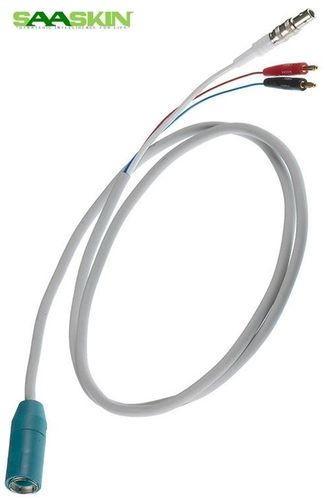
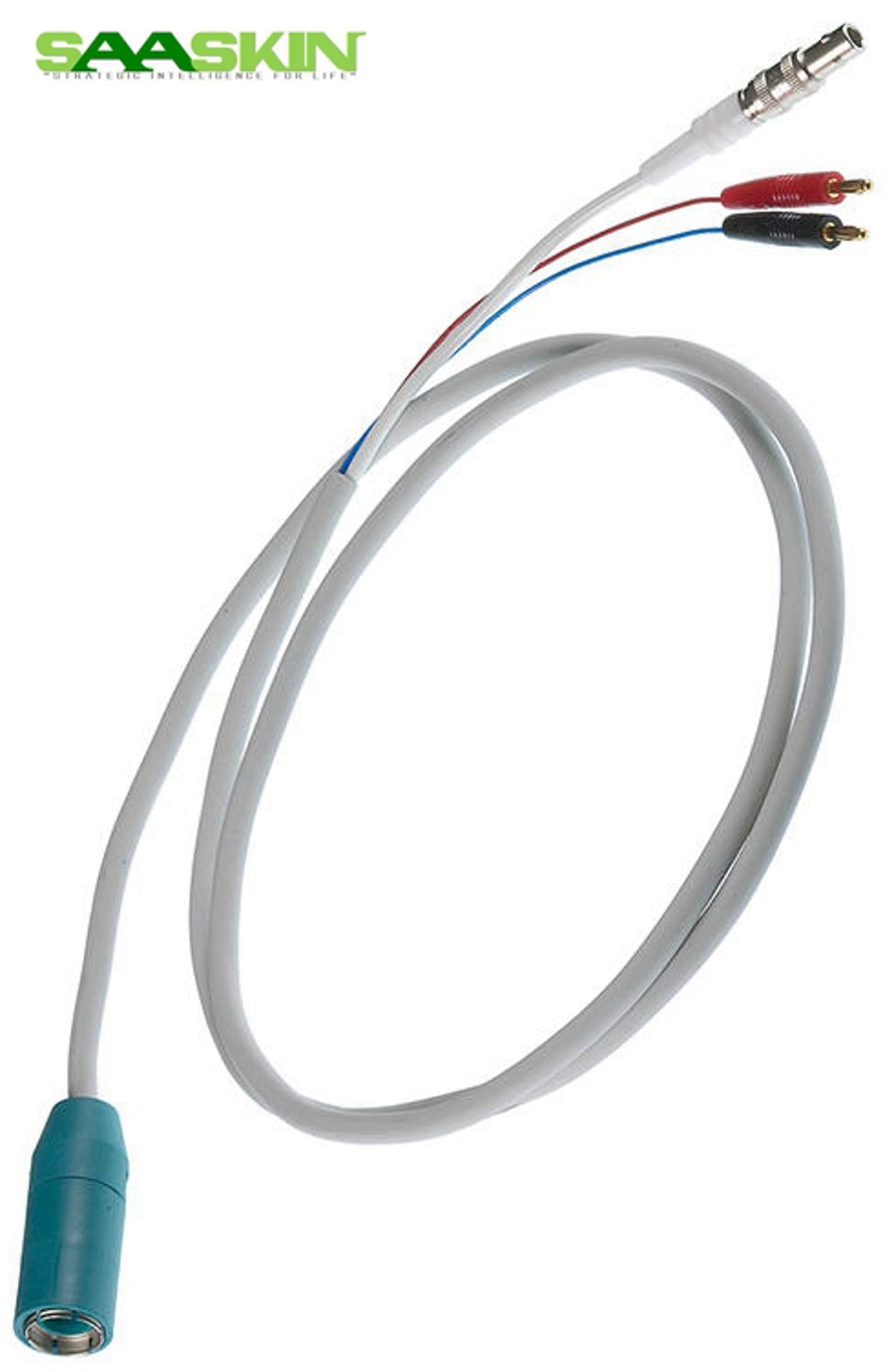
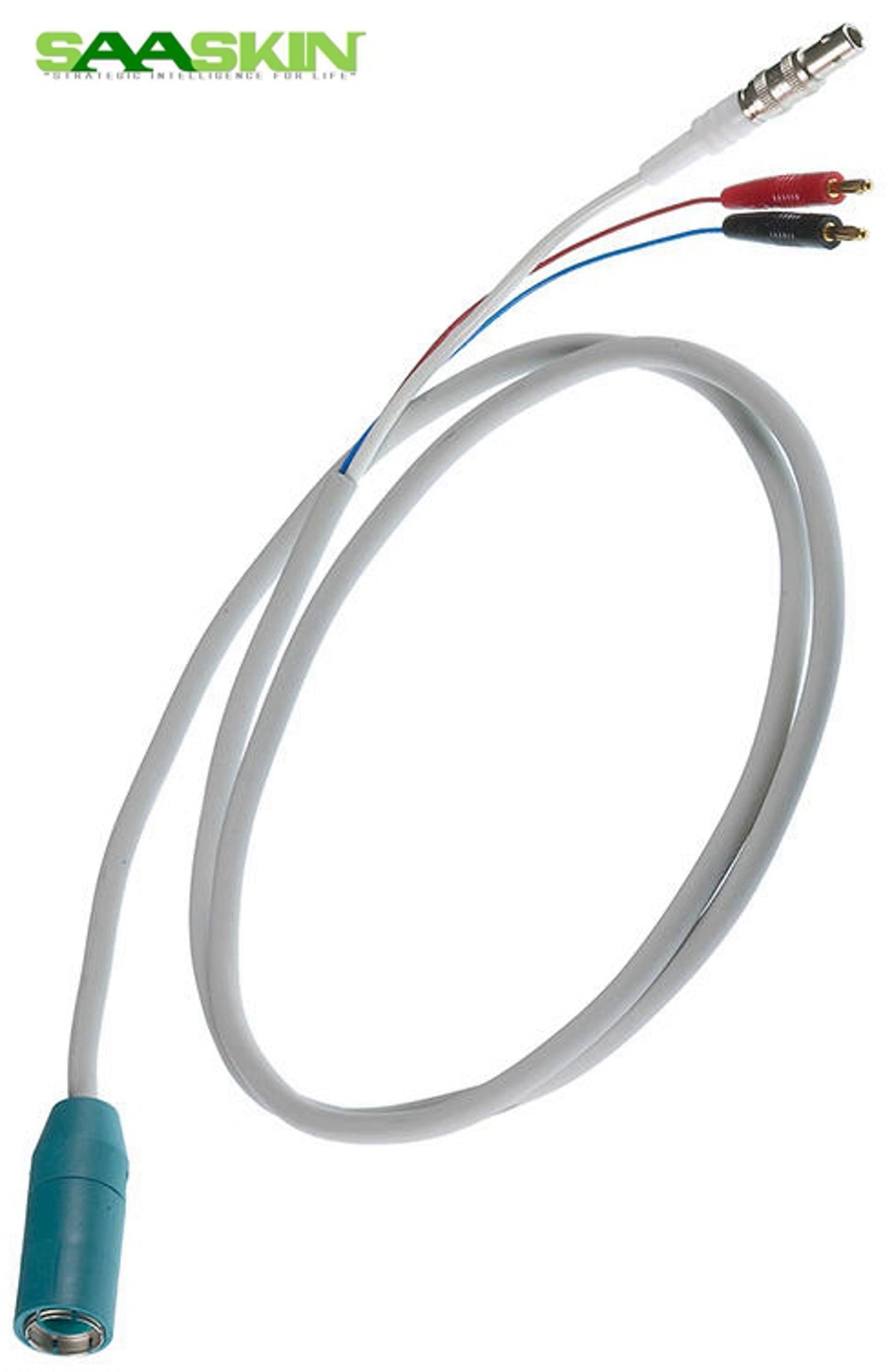
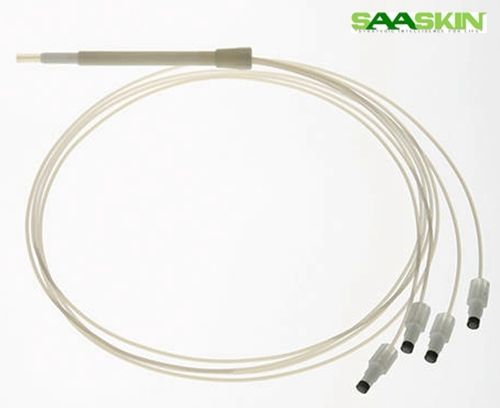
For connecting electrodes with Metrohm plug-in head U to Metrohm instruments (socket F).
Reliable Connection for Metrohm InstrumentsThis cable is tailored to connect electrodes with plug-in head U to Metrohm titrators or measurement devices equipped with plug F. The design ensures a secure fit, minimizing signal loss and enhancing accuracy in laboratory measurements. Its gold- or nickel-plated contacts further ensure stable, corrosion-resistant connections.
Built for Laboratory DemandsConstructed with high-quality copper wire and shielded in flexible PVC or chemically resistant equivalent, this cable resists common lab hazards, ensuring lasting durability. The internal shielding reduces electrical noise, preserving data integrity during transmission.
FAQ's of Metrohm Electrode cable for plug in head U/plug F:
Q: How do I connect the Metrohm Electrode Cable to my instruments?
A: Simply plug the end labeled U into your Metrohm electrode with a plug-in head U, and connect the F end to your measuring instrument's input. The manual plug-and-play design allows quick and straightforward setup, requiring no additional tools.
Q: What situations or applications is this cable best suited for?
A: This cable is specifically designed for use with Metrohm titrators and measurement instruments in laboratory environments, reliably connecting electrodes for procedures such as titrations, pH, or ion analysis.
Q: What materials make the Metrohm Electrode Cable durable and reliable?
A: The cable uses premium flexible copper conductors, insulated with PVC or an equivalent chemical-resistant material. Nickel- or gold-plated contacts ensure optimal signal transfer and longevity, even under rigorous laboratory use.
Q: Where should I store the cable when it is not in use?
A: To maintain performance, store the cable in a clean, dry area away from solvents and direct heat sources. Coiling it loosely and laying it flat can help prevent damage to the cable's insulation or contacts.
Q: What are the cleaning and maintenance recommendations?
A: Maintenance is simple-just wipe the cable clean with a damp cloth as needed. Avoid using aggressive solvents or submerging the cable, and keep away from intense heat to preserve insulation integrity.
Q: What benefits does the shielded design of the cable offer?
A: Internal shielding helps reduce electrical noise and interference during signal transmission, resulting in more accurate laboratory measurements and greater data reliability.










 Accepts only Export inquiries



 Send Inquiry