Product Description
Brand Analytikjena
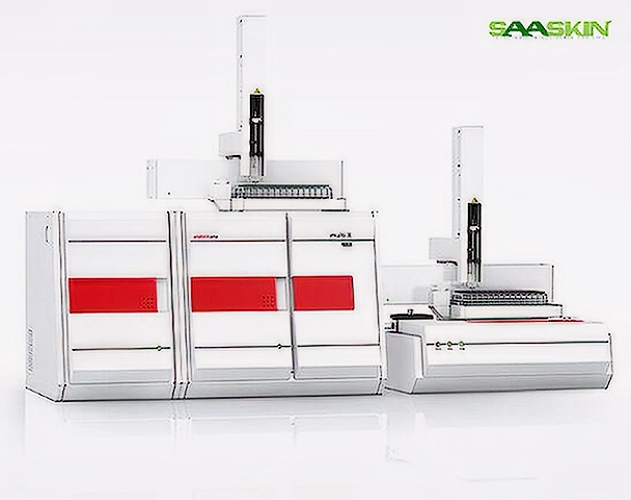
Model 2500
Capacity 1 - 100 L
CAT No 450-126.430
Application TOC Analyzer
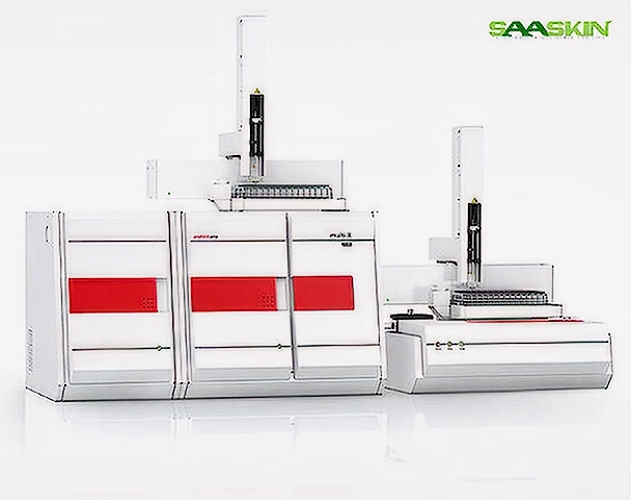
The multi X 2500 is a multi-talent in sum parameter analysis to be applied in many areas, from AOX/TOX, EOX, and POX monitoring in wastewater, sludge, and soil, TOC important for wastewater analysis, to the determination of TX/TOX contents in challenging organic matrices. Benefit from a simple operation, unique application flexibility, and a high degree of automation. This directly results in reliable results and maximum sample throughput at minimal effort.
Versatile Detection and High ThroughputThe Multi X 2500 AOX/TOX, EOX, POX analyzer delivers unparalleled flexibility, addressing a wide range of sample types-liquids or solids-utilizing both horizontal and vertical combustion modes. Its auto-sampler handles up to 120 samples per hour, while automated and manual sample introduction enhance workflow adaptability for varying laboratory needs.
Robust Compliance and AutomationDesigned with strict adherence to ISO 9562, EPA 1650, DIN EN 1485, and EPA 9020B, the analyzer meets global regulatory requirements. The multiWin software streamlines device control, method programming, data evaluation, and comprehensive documentation, reducing operator intervention and supporting reliable long-term operation.
Integrated Safety and Data ManagementThe unit's safety features include self-diagnostics, over-temperature, and leak detection with automatic shut-off to prevent equipment damage. With a built-in memory storing up to 10,000 dataset entries and connectivity via USB, Ethernet, and RS232, the Multi X 2500 offers both operational security and efficient data handling in fast-paced lab environments.
FAQ's of Analytikjena Multi X 2500 AOX/TOX, EOX, POX analyzer:
Q: How does the Multi X 2500 ensure accurate AOX, EOX, and POX measurements?
A: The Multi X 2500 utilizes high-precision micro-coulometric titration and potentiometric detection technologies, enabling exceptional sensitivity and repeatability ( 3% RSD) for AOX, EOX, and POX determinations. Programmable combustion modes allow optimal handling of various sample matrices, supporting reliable analysis within the 0.5 g - 10 mg Cl measurement range.
Q: What types of samples and volumes can the Multi X 2500 handle?
A: This analyzer accommodates solids (1-300 mg) and liquids (5-1000 L) for AOX, EOX, and POX examination, with a maximum solid sample size of 500 mg and up to 1000 L for liquids. Its automated and manual (syringe/boat) options offer flexibility for diverse laboratory sample types, including water, soils, and environmental materials.
Q: Where can the Multi X 2500 be installed and operated effectively?
A: The system is intended for laboratory environments, operating efficiently at ambient temperatures between 15-35C and relative humidity up to 80% (non-condensing). Its robust construction with corrosion-resistant stainless steel and high-performance polymers ensures durability even in demanding settings, making it suitable for research, regulatory, or industrial labs.
Q: What are the process steps for AOX analysis using the Multi X 2500?
A: The process starts with sample introduction (either manually or via the auto-sampler), followed by programmable combustion in a quartz glass tube under precise temperature control (ambient to 1200C). After combustion, halogens are detected via micro-coulometric titration or potentiometric methods. Data evaluation and reporting are handled seamlessly via multiWin software.
Q: How does automation benefit routine AOX/EOX/POX analysis with this instrument?
A: Automation with the Multi X 2500 significantly increases sample throughput (up to 120 samples per hour) while minimizing operator intervention. Integrated safety checks-such as self-diagnostics and auto shut-off for leaks or over-temperature events-promote safe and continuous operation. Automated data storage and transfer further streamline laboratory workflows.
Q: When should routine maintenance or calibration be performed on the Multi X 2500?
A: It is advisable to follow the manufacturer's scheduled maintenance protocols, perform routine calibration according to laboratory SOPs, and leverage built-in self-diagnostic tools to maintain optimal performance. Regular checks ensure sustained accuracy, particularly when used for regulatory-compliant data generation.












 Accepts only Export inquiries



 Send Inquiry