Product Description
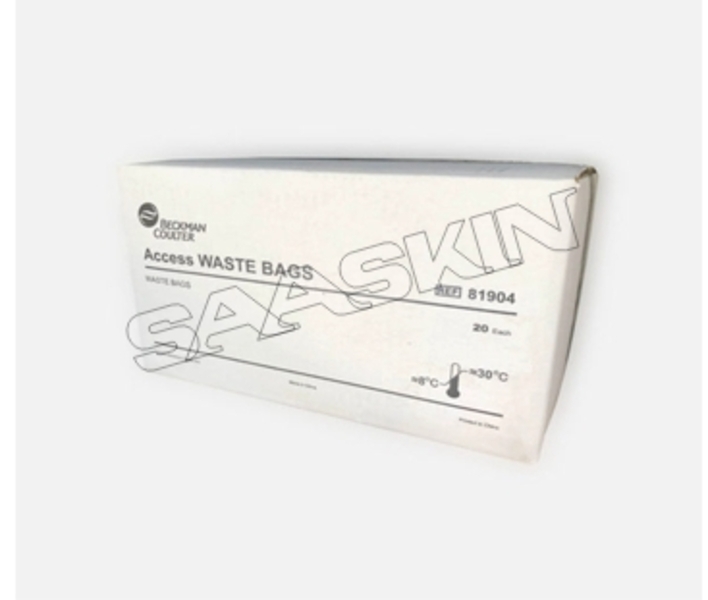
| Brand | Beckman Coulter |
| Product Type | Waste Bags |
| Pack Size | 20 Units |
| CAT No. | 81904 |
Application
| Consumables |
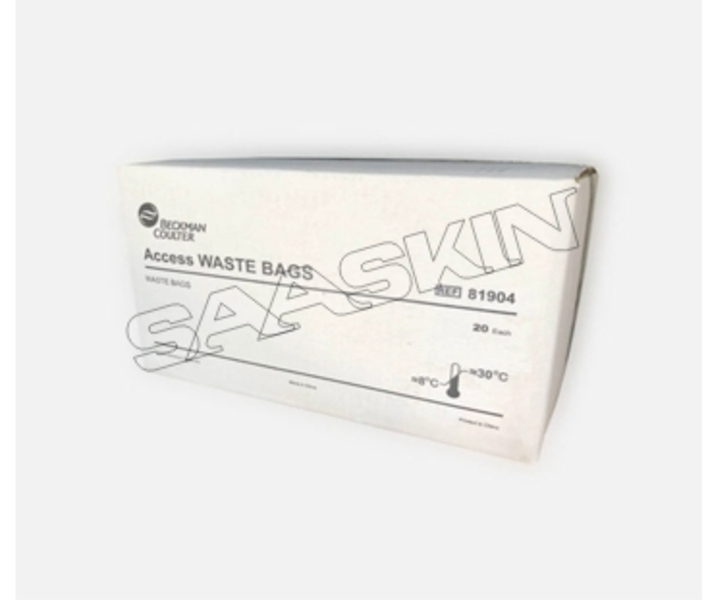
Beckman Coulter Access Waste Bags are specially designed consumable accessories for efficient waste collection and disposal in Beckman Coulter Access Immunoassay Systems. These durable and reliable waste bags help maintain clean analyzer operation by securely collecting used consumables, liquid waste, and discarded materials generated during automated CLIA testing workflows.
Robust Waste Collection for LaboratoriesBeckman Coulter Access WASTE BAGS offer laboratories a reliable method to safely collect and contain waste generated during automated chemiluminescence immunoassay (CLIA) testing. Their leak-resistant construction ensures waste does not escape, maintaining clean operating environments during high-throughput testing and analysis.
Seamless Integration with Access Immunoassay SystemsThis consumable is precisely crafted to maintain compatibility with Beckman Coulter's Access Immunoassay analyzers. Its user-friendly design allows easy replacement, supporting both real-time and unattended operation-keeping workflow disruptions to a minimum during extended testing sequences.
FAQ's of Beckman Coulter Access WASTE BAGS:
Q: How do I properly install Beckman Coulter Access WASTE BAGS in my analyzer?
A: To install, open your Access Immunoassay System's waste compartment as indicated in the user manual, insert the new, unfolded waste bag, and ensure it is securely positioned. Make sure all connections are tight to prevent leaks before resuming automated testing.
Q: What are the key benefits of using these waste bags in laboratory waste management?
A: The main benefits include reliable containment of liquid and solid waste, prevention of leaks, improved hygiene, and simplified disposal. Their design minimizes downtime, allowing for uninterrupted immunoassay testing, and helps laboratories adhere to waste management protocols.
Q: When should I replace the waste bag in the analyzer?
A: Waste bags should be replaced once they reach their recommended fill level, as indicated by your analyzer's waste monitoring system, or whenever you notice decreased capacity or risk of overflow. Always dispose of used bags according to your facility's biomedical waste procedures.
Q: Where should filled waste bags be stored before disposal?
A: Used waste bags should be sealed and kept in a designated biomedical waste storage area, adherent to laboratory and regulatory protocols, until they can be safely removed by authorized disposal services.
Q: What process should I follow for safe disposal of these waste bags?
A: Seal the filled waste bag securely, wearing appropriate PPE. Label as biomedical waste if required, and store in the allocated waste area. Arrange for collection by an approved biomedical waste removal provider to comply with local regulations.
Q: How does the durable and leak-resistant construction benefit laboratory operations?
A: The robust design of these waste bags reduces the risk of leaks or spills, ensuring a safer and cleaner laboratory environment. This helps maintain operational efficiency while protecting laboratory personnel from exposure to potentially hazardous materials.
Q: Can these waste bags be used in laboratories that require portable waste solutions?
A: Yes, the waste bags are portable and suitable for diverse laboratory settings, allowing maintenance and support staff to handle waste efficiently-even in setups where permanent waste fixtures are not available.











 Accepts only Export inquiries



 Send Inquiry