Product Description
| Brand |
Thermo Fisher Scientific |
| Product Type |
Multiplex Panel |
| Capacity |
96 Tests |
| CAT No |
EPX800-10080-901 |
| Application |
Molecular Biology |
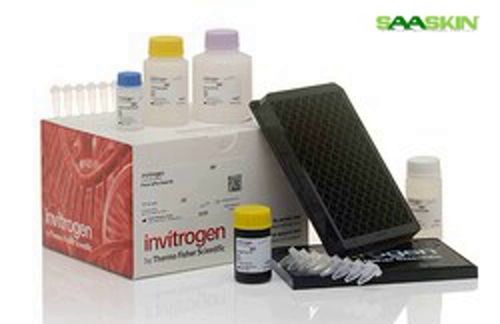
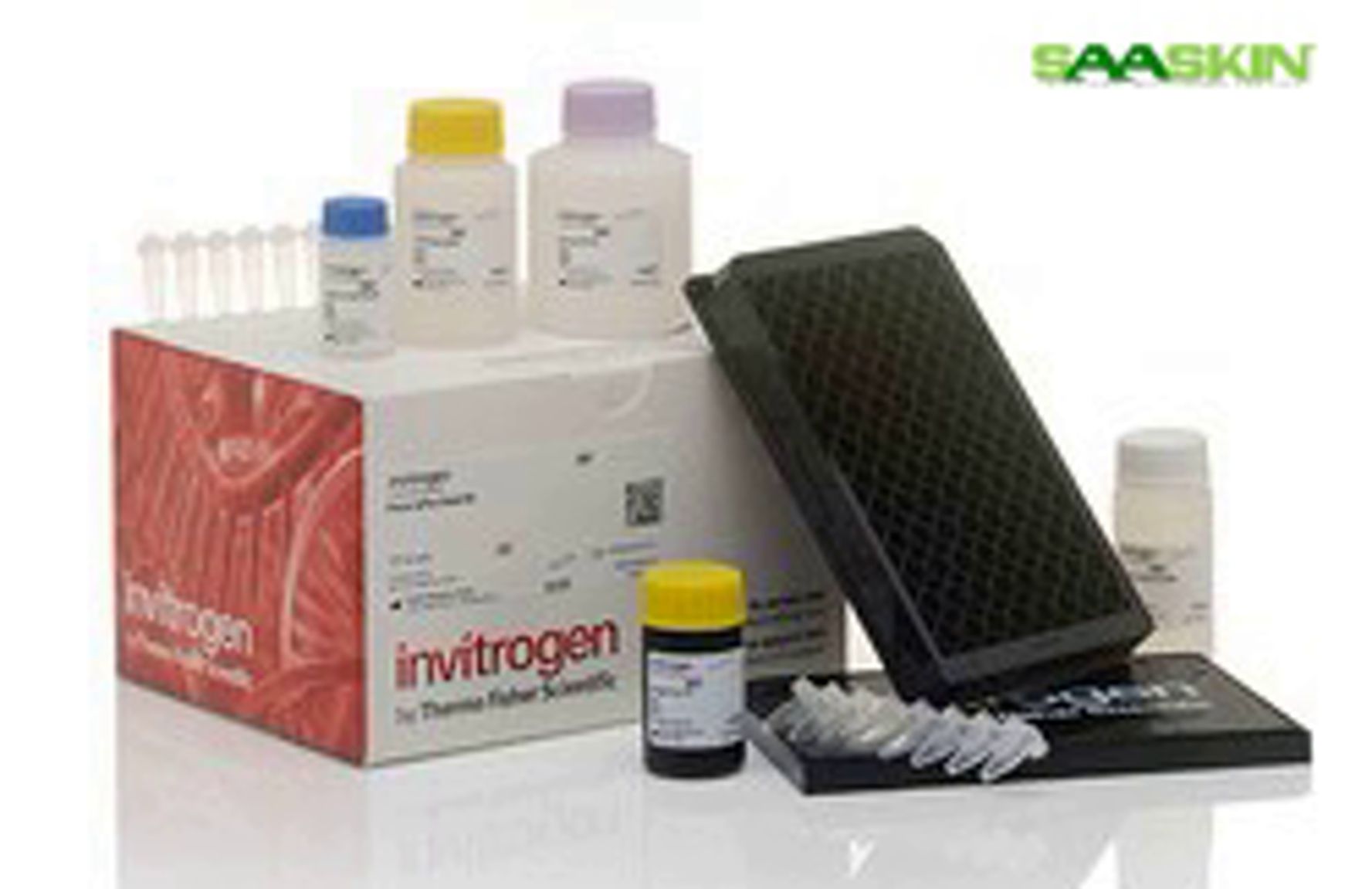
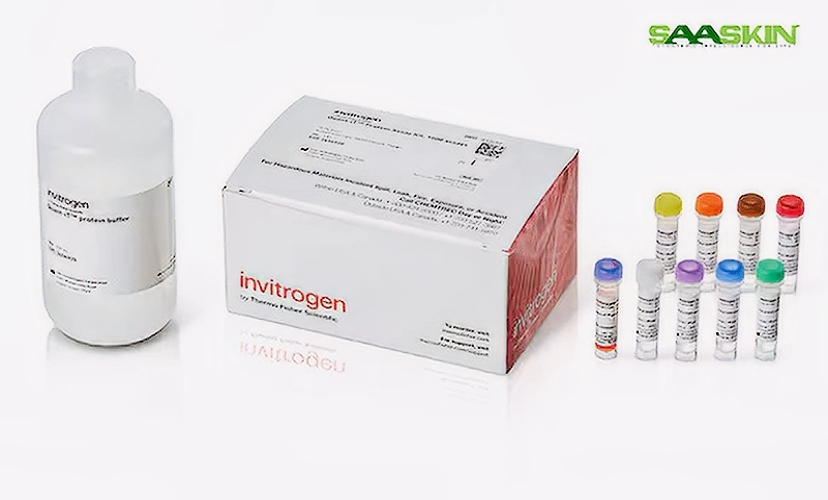
The ProcartaPlex Human Immune Response Panel 80plex enables the study of immune function by analyzing 80 protein targets in a single well using Luminex xMAP technology. Analyze 80 cytokine, chemokine, and growth factor targets simultaneously for efficient immune response profiling, biomarker discovery, and validation. The panel is provided in a ready-to-use format with individual vials of capture and detection reagents formulated at 1X concentration, requiring less pipetting and experimental setup.
High-Throughput Multiplex Protein QuantificationHarness the power of Luminex xMAP technology to simultaneously quantify up to 80 immune-related proteins per sample. The ProcartaPlex panel is ideal for studying complex immune responses, biomarker discovery, or validating research findings with high efficiency and accuracy.
Ready-to-Use and User FriendlyThis 96-well plate assay comes pre-configured with panel-specific reagents, standards, and controls to minimize hands-on time. The simple protocol and pre-mixed bead sets streamline workflow, making it accessible for researchers at all experience levels.
Broad Sample Compatibility and SensitivityPerform robust immune profiling using serum, plasma, or cell culture supernatant, with detection ranges in the picogram per milliliter for most analytes. Minimal sample volume requirements allow precious samples to be preserved while maximizing data output.
FAQ's of Thermo Fisher Scientific Invitrogen ProcartaPlex Human Immune Response Panel, 80plex:
Q: How does the ProcartaPlex Human Immune Response Panel detect multiple proteins in a single sample?
A: The ProcartaPlex Human Immune Response Panel uses Luminex xMAP technology, which employs color-coded beads to simultaneously capture and quantify up to 80 different immune response proteins within a single well. This multiplex approach streamlines data collection while conserving sample volume.
Q: What are the sample type requirements and minimum volume needed for an assay run?
A: You can conduct the assay with human serum, plasma, or cell culture supernatant. The minimum required volume is as low as 25 L per well, making it suitable for studies with limited sample availability.
Q: When should I use this assay and what are its main applications?
A: This assay is ideal for research applications that demand multiplexed quantification of immune response proteins-such as immunology studies, cytokine profiling, biomarker discovery, or drug development-where high-throughput and robust sensitivity are essential.
Q: Where can I run the ProcartaPlex Human Immune Response Panel and what equipment is needed?
A: The assay is designed for laboratory use and is compatible with Luminex MAGPIX, LX200, and FLEXMAP 3D instruments. A suitable plate reader from the Luminex xMAP family is essential for detection and data collection.
Q: What is the general process for using this multiplex immunoassay?
A: After preparing your samples and controls, add them to the preconfigured 96-well plate containing panel-specific beads. Following incubation and washing steps, detection reagents are added. The plate is then analyzed using a compatible Luminex instrument, and quantitation is achieved with software-guided data analysis.
Q: How long does the procedure take and what storage conditions are required for kit components?
A: The typical assay time is approximately 3.5 hours. All kit components should be stored at 2-8C and protected from light. Always refer to the included specification sheet for detailed instructions and analyte stability information.
Q: What benefits does using the ProcartaPlex Human Immune Response Panel provide for laboratory research?
A: This panel offers a comprehensive solution for immune protein analysis, enabling high-throughput, precise, and reliable quantification with minimal sample input. It saves time, conserves sample, and supports advanced research into human immune mechanisms.











 Accepts only Export inquiries



 Send Inquiry