Product Description
Brand PerkinElmer
Model 560
Capacity Advanced optical system
CAT No N0810003
Application Spectroscopy
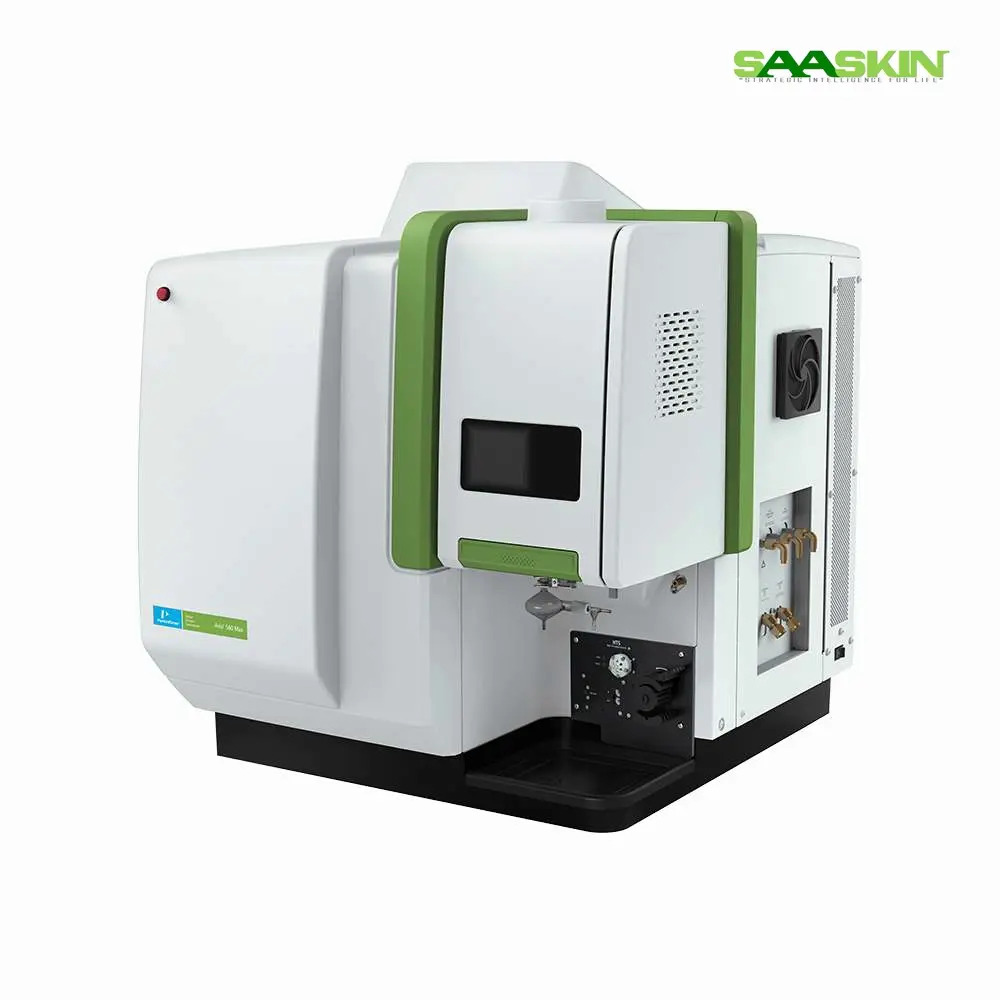
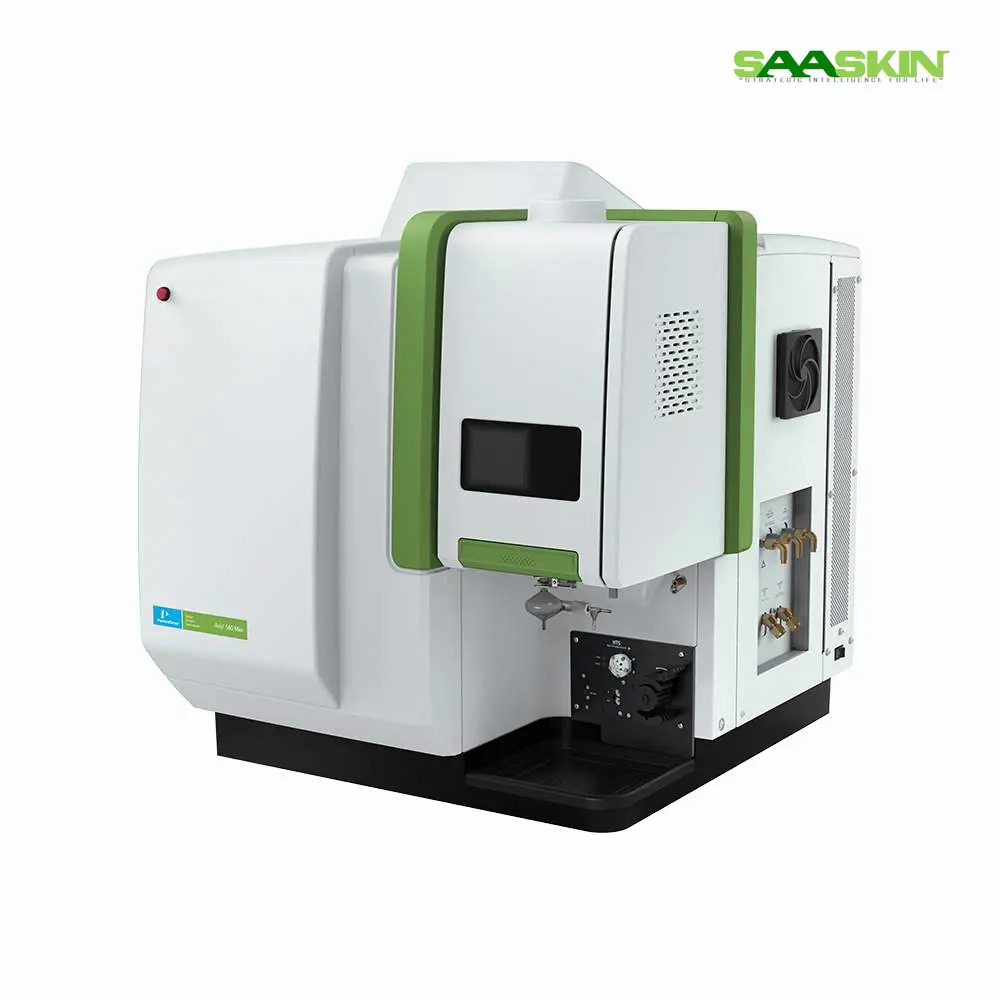
From fast to faster, the Avio 560 Max is a compact, fully simultaneous ICP-OES instrument with a built-in High Throughput System (HTS) sample introduction module. This combination allows you to take 1.5-minute runs down to 30 seconds, ideal for commercial testing and manufacturing QA/QC laboratories. In addition to its throughput capabilities, the Avio 560 Max is engineered to handle even the most difficult, high-matrix samples without dilution, delivering productivity, performance and faster return on investment. And last but certainly not least, Syngistix for ICP software provides an intuitive and smart environment with smart monitoring for real-time instrument and sample diagnostics as well as results viewing to easily track sample analysis, quality control, and internal standard performance to guarantee sample accuracy.
Reliable Multi-Element DetectionExperience accurate and simultaneous detection of multiple elements with the advanced high-resolution CCD detector. The Avio 560 Max handles demanding matrices, offering true rapid analysis while maintaining exceptional precision and reproducibility. Its spectral range covers 165 nm to 900 nm for broad elemental coverage.
User-Centric Automation and SafetyFeaturing fully automated workflows with Syngistix for ICP software and an easy-access front panel, the Avio 560 Max simplifies operation and maintenance. Integrated safety interlocks and shielded panels ensure user safety during use, while ergonomic design supports efficient daily workflows.
Versatile Lab CompatibilityThe spectrometer adapts seamlessly to a variety of laboratory settings, supporting Ethernet, USB, and LIMS integration. Its corrosion-resistant alloy and inert sample pathway ensure durability, making it an excellent choice for diverse sectors including environmental, industrial, and clinical analysis.
FAQ's of PerkinElmer Avio 560 Max ICP Optical Emission Spectrometer:
Q: How does the Avio 560 Max achieve simultaneous multi-element detection?
A: The Avio 560 Max uses a high-resolution CCD detector in combination with simultaneous axial and radial plasma viewing. This setup allows the instrument to detect and quantify multiple elements in a single analysis run, significantly reducing turnaround time.
Q: What sample introduction options are available with this spectrometer?
A: The system features a universal autosampler compatible with a variable-speed peristaltic pump. This allows flexible handling of diverse sample types, making it suitable for both routine and complex sample matrices.
Q: When is maintenance required and how is it performed?
A: Routine maintenance is made easy with the quick-change torch assembly and accessible front panel. Preventive maintenance can be scheduled based on laboratory workload and instrument usage. The system's design enables rapid swaps and minimal downtime.
Q: Where can the Avio 560 Max operate for optimal performance?
A: The instrument is intended for use in temperature-controlled laboratory environments with 20% to 80% non-condensing humidity. Proper environmental conditions ensure optimal analytical stability and extend instrument lifespan.
Q: What is the process of calibration for the Avio 560 Max?
A: Calibration is highly automated, utilizing built-in wavelength and performance calibration routines managed through the Syngistix for ICP software. This ensures measurement accuracy and traceability, streamlining laboratory workflows.
Q: How does the Avio 560 Max enhance laboratory efficiency and data management?
A: The integrated software, large onboard data storage, and compatibility with Ethernet, USB, and LIMS interfaces enable efficient data capture, management, and reporting. The system supports high-throughput analysis, ideal for labs requiring rapid and reliable elemental results.
Q: What benefits does dual plasma viewing offer?
A: Dual plasma viewing (axial and radial) maximizes sensitivity for trace elements and allows robust measurements in challenging matrices, supporting a wide dynamic range and improving detection capabilities for both high and low concentration analytes.











 Accepts only Export inquiries



 Send Inquiry