Product Description
Brand Shimadzu
Model SPM-Nanoa
Capacity 10 mm diameter
CAT No SPM-Nanoa
Application Spectroscopy
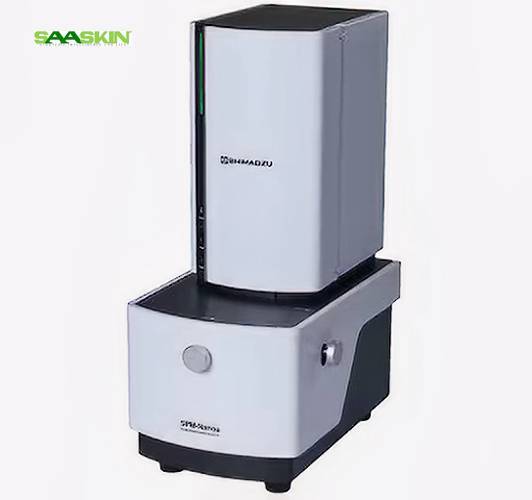
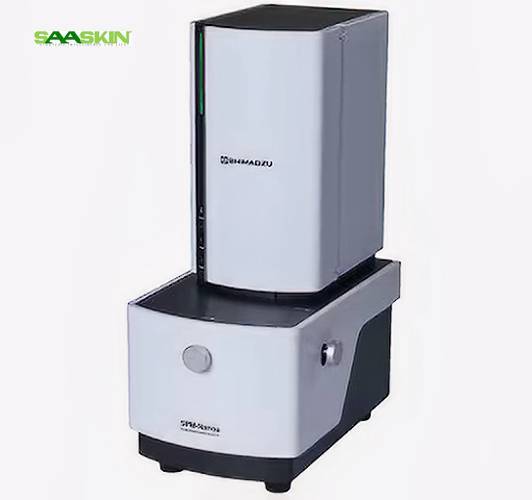
The SPM-Nanoa scanning probe microscope includes an advanced high-sensitivity detection system and automatic observation function. This high-sensitivity instrument offers high-resolution observations, features a low-noise detection optical system, and automates optical adjustments and the work of setting the observation conditions. Even users unfamiliar with the operating procedures can effortlessly acquire high-resolution observation data. The SPM-Nanoa microscope provides powerful assistance for everything from observing the shape of micro areas to measuring their physical properties.
Precision Imaging for Advanced ResearchThe SPM-Nanoa allows researchers to visualize and analyze surfaces at the nanometer scale with sub-nanometer vertical resolution. Its high-rigidity build and vibration-damping materials ensure measurement fidelity, while low-noise electronics maintain signal clarity. Suitable for a range of applications, this system is a vital tool for anyone working in materials science, life sciences, or polymer research.
Versatile Modes and User-Friendly OperationThis microscope supports contact, non-contact, and tapping/AC scanning, accommodating diverse research needs. Factory calibration and user calibration options provide confidence in measurement accuracy. The integrated video microscope simplifies sample setup, while digital and computer interface displays present data output intuitively. Swapping samples and probes is quick and straightforward, optimizing workflow efficiency.
Comprehensive Data and Environmental ControlsObtain detailed 2D and 3D data maps exported through the SmartSPM software in common formats for easy sharing and analysis. Optional environmental chambers enable controlled studies in air or inert gas, extending application possibilities in both ambient and controlled atmospheres. The system's high-sensitivity measurement and low-noise scanning capabilities yield reliable, reproducible results.
FAQ's of Shimadzu SPM-Nanoa Scanning Probe Microscope/Atomic Force Microscope:
Q: How does the Shimadzu SPM-Nanoa achieve high-resolution imaging?
A: The SPM-Nanoa utilizes standard-compatible AFM cantilevers, low-noise electronics, and rigid vibration-damping materials to achieve sub-nanometer vertical resolution. Its scanning modes (contact, non-contact, and tapping/AC) and precise sample handling allow for detailed 2D and 3D surface mapping.
Q: What types of samples and sizes can this microscope accommodate?
A: The system supports samples up to 20 mm in diameter and 5 mm in height, making it suitable for a variety of materials found in materials science, nanotechnology, polymers, and life sciences. Single-sample examination is performed at nanometer scale for optimal resolution.
Q: When should users select between contact, non-contact, and tapping modes?
A: Contact mode is ideal for hard surfaces requiring high-resolution topography, non-contact mode is best for softer or delicate samples to avoid damage, and tapping/AC mode balances high-resolution imaging with gentle sample interaction, suitable for a wide range of materials.
Q: Where can the SPM-Nanoa be installed and operated effectively?
A: With its compact design (approx. 330 x 320 x 210 mm) and operation at ambient to 50C, the SPM-Nanoa fits seamlessly into laboratories in research institutes, universities, and industrial settings. The robust construction ensures stable performance even in standard lab environments.
Q: What is the process for exporting and analyzing data from the instrument?
A: Data captured by the SPM-Nanoa is managed via the Shimadzu SmartSPM software suite, which allows export in commonly used image and data formats. Users can generate high-resolution 2D and 3D maps, easily sharing and further analyzing the information with external programs.
Q: How does the environmental control feature benefit users?
A: The optional sealed chamber enables operation in air or inert gas environments. This is particularly beneficial for sensitive samples or experiments requiring controlled atmospheres, helping to minimize sample contamination and allowing reliable, reproducible measurements.
Q: What are the main benefits of using the SPM-Nanoa for research purposes?
A: Researchers benefit from high-sensitivity measurements, ease of use, fast sample exchange, and accurate data output. The instrument provides robust support for various AFM modes and imaging types, making it suitable for detailed material characterization at the nanoscale across multiple scientific fields.












 Accepts only Export inquiries



 Send Inquiry