Product Description
Brand
Analytikjena
Model
MS Q
Capacity
Gas: up to 200 Bar, LPG: up to 35 Bar
CAT No
MS Q
Application
Spectroscopy
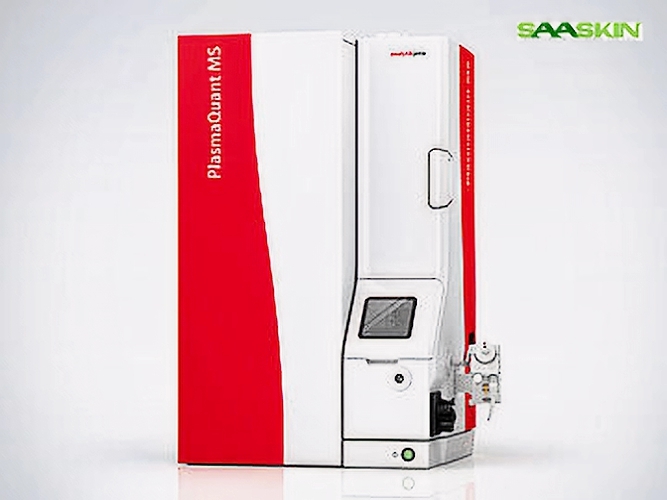
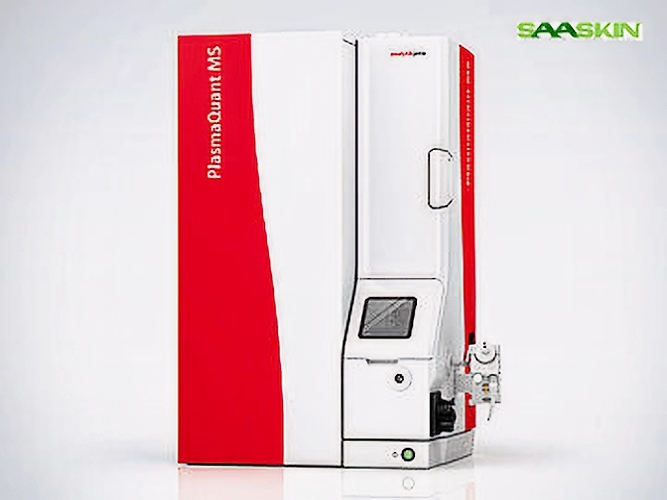
The fast system for high-throughput analysis and superior precision for large sample batches: High sensitivity for optimized data acquisition, Universal interference management mode and 11 orders dynamic range for full coverage of required concentration range
Exceptional Sensitivity and PrecisionWith detection limits below 0.1 ppt and ReflexION ion optics, the PlasmaQuant MS Q sets a benchmark in trace elemental quantification. Combined with a high-dynamic range detector, it ensures accurate and reliable measurements even for complex samples.
Optimized for High Sample ThroughputThe system's fully automated design, autosampler, and robust plasma enable processing up to 60 samples per hour. Its intuitive Qtegra control software and high-efficiency nebulizer streamline workflows for both research and routine applications.
Superior Matrix Tolerance and Interference ManagementSelectable nickel and platinum interface cones provide enhanced adaptability for challenging matrices. This, alongside dual-mode interference management, makes the instrument versatile for varied sample types in environmental, food, clinical, and industrial analysis.
FAQ's of Analytikjena PlasmaQuant MS Q ICP-Mass Spectrometer:
Q: How does the PlasmaQuant MS Q enhance analytical sensitivity and precision?
A: The instrument employs ReflexION ion optics and a high-dynamic range detector to deliver outstanding sensitivity-over 1 billion cps/ppm-while providing low background equivalent concentrations (<0.1 ppt) for precise quantification of trace elements.
Q: What types of samples can be analyzed with the PlasmaQuant MS Q ICP-MS?
A: It is designed for trace elemental and isotopic analysis in environmental, geological, food, clinical, and industrial samples, with robust matrix tolerance and dual-mode interference management ensuring reliable results across diverse applications.
Q: When is it appropriate to use nickel or platinum interface cones?
A: Nickel cones are typically used for routine applications, offering cost-effectiveness and durability in most sample matrices. Platinum cones are preferred for aggressive matrices or when extreme corrosion resistance and maximum matrix tolerance are required.
Q: Where can the PlasmaQuant MS Q be utilized?
A: This spectrometer is suitable for research and routine analytical laboratories, including environmental, food safety, clinical, industrial, and geochemical labs where high accuracy and throughput are essential.
Q: What is the process for sample introduction and detection in this ICP-MS?
A: Samples are introduced via a high-efficiency nebulizer and spray chamber, then ionized in a robust plasma torch. Ions are then filtered by a quadrupole analyzer and detected with a fast, high-dynamic range detector, allowing simultaneous multi-element analysis.
Q: How can users benefit from the instrument's software and automation features?
A: The multi-language Qtegra software provides intuitive instrument control, automated workflows, and streamlined data analysis. Full automation, including autosampler capability, boosts throughput and reduces hands-on time for operators.
Q: What are the key advantages of using the PlasmaQuant MS Q in routine laboratory settings?
A: It offers high sample throughput, fully automated processes, exceptional sensitivity and precision, low detection limits, robust matrix handling, and versatile data output, ensuring efficiency and reliability for routine trace analysis.











 Accepts only Export inquiries



 Send Inquiry