Product Description
Brand Thermo Fisher Scientific
Model CL1500
Capacity 68 x 38 x 60 cm
CAT No A44114
Application Blotting
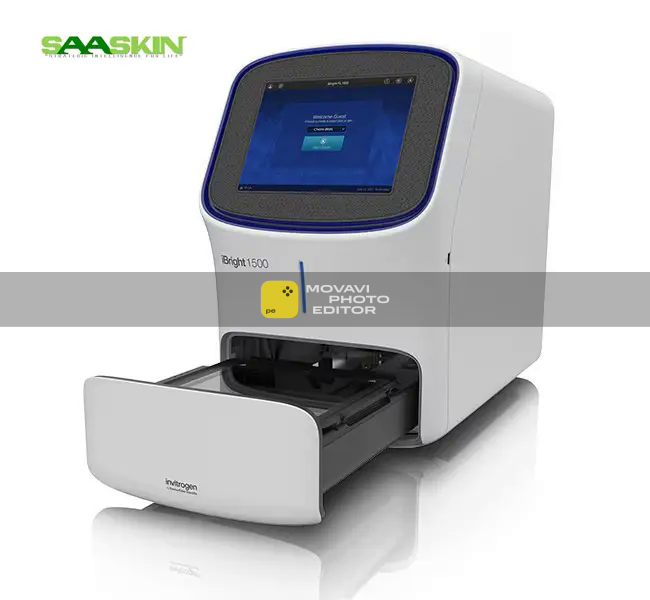
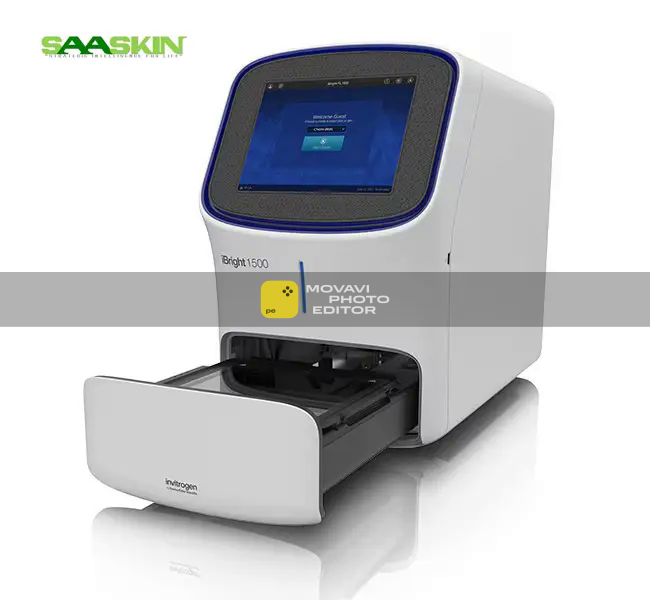
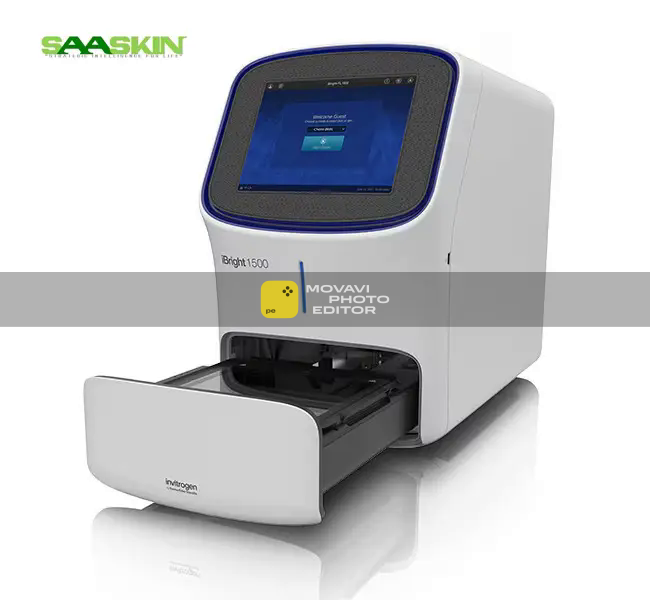
The iBright CL1500 Imaging System supports the main imaging applications of chemiluminescent and colorimetric western blots, in addition to fluorescent stained nucleic acid gels, fluorescent stained protein gels, colorimetric stained protein gels, and colorimetric membrane stains. We also offer the iBright FL1500 Imaging System, which features the same imaging capabilities as the iBright CL1500 Imaging System, but also offers fluorescent western blot imaging capability.
Multi-Mode Imaging FlexibilityWith advanced support for chemiluminescence, fluorescence, and colorimetric imaging, the iBright CL1500 Imaging System caters to a wide range of applications, such as Western blots, gel documentation, and quantitative analyses. The high-sensitivity detection is ideal for research requiring visualization of low-abundance targets, providing clear, publication-ready results every time.
User-Friendly Touchscreen InterfaceThe 12.1-inch color LCD touchscreen provides a responsive, intuitive user experience. Researchers can easily control all system features, adjust imaging settings, and quickly capture or review images. The interface seamlessly integrates with iBright Analysis Software, supporting both seasoned and new users in efficient experiment workflows.
Effortless Data Management & ConnectivityData handling is streamlined with onboard solid-state storage and multiple export options, including USB and network connections. The system outputs images in universally compatible formats (TIFF, JPEG, PNG) and supports data transfer via Wi-Fi, Ethernet, and USB, ensuring convenient sharing, backup, and integration with lab infrastructure.
FAQ's of Thermo Fisher Scientific Invitrogen iBright CL1500 Imaging System:
Q: How does the iBright CL1500 Imaging System benefit my lab's protein and nucleic acid studies?
A: The iBright CL1500 Imaging System provides high-sensitivity detection and versatile imaging modes, enabling precise visualization of low-abundance proteins and nucleic acids. This allows for reliable documentation and analysis in varied applications, such as Western blotting and gel electrophoresis, streamlining your experimental workflow.
Q: What types of samples can I image with this system?
A: You can image mini and midi gels as well as blots on the iBright CL1500. It supports visualization of proteins and nucleic acids using chemiluminescence, fluorescence, or colorimetric methods, making it suitable for a range of laboratory applications.
Q: When should I use the chemiluminescence mode versus fluorescence or colorimetric modes?
A: Use chemiluminescence mode for detecting very low-abundance proteins, as it offers the highest sensitivity. Fluorescence mode is ideal for multiplex detection and visualization of different targets, while colorimetric mode suits basic documentation and high-contrast gel or blot results.
Q: Where can I save or export the images captured by the system?
A: Images can be stored on the system's onboard solid-state memory, exported to USB drives, or transferred via Wi-Fi and Ethernet connections. The system allows exporting in TIFF, JPEG, or PNG formats for broad compatibility with analysis and publication needs.
Q: How do I operate the iBright CL1500 Imaging System and analyze results?
A: Operation is managed through the 12.1-inch touchscreen display, offering intuitive controls. The system is compatible with the iBright Analysis Software on Windows, allowing comprehensive analysis, annotation, and report generation directly from your computer.
Q: What is the process for setting up the system in a new lab environment?
A: Set up the system in a controlled environment with an operating temperature of 15-28C. Connect via AC adapter (100-240 V), then use the touchscreen to configure initial settings. Connect to your network (via Wi-Fi or Ethernet) for data management and software updates.
Q: What are the key advantages of the iBright CL1500 for Indian laboratories?
A: Indian laboratories benefit from the system's robust design, compatibility with common power supplies (100-240 V), high-sensitivity detection, flexible sample compatibility, and efficient data management, making it well-suited for research, quality control, and clinical applications.












 Accepts only Export inquiries



 Send Inquiry