Product Description
| Brand | Siemens |
| Sample Type | Urine |
| Pack Size | 100T |
| CAT No | 2184 |
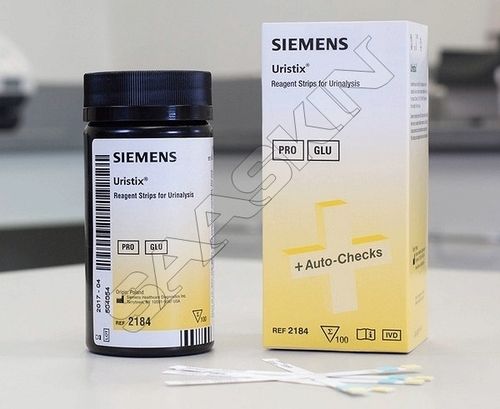
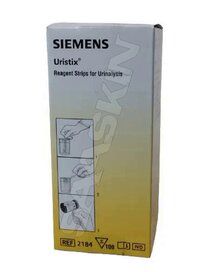
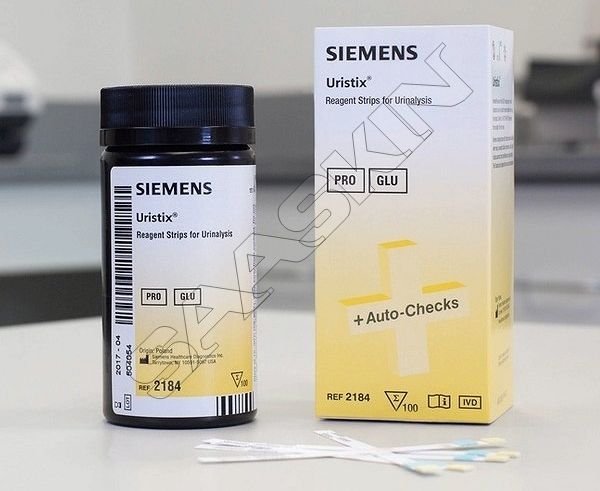
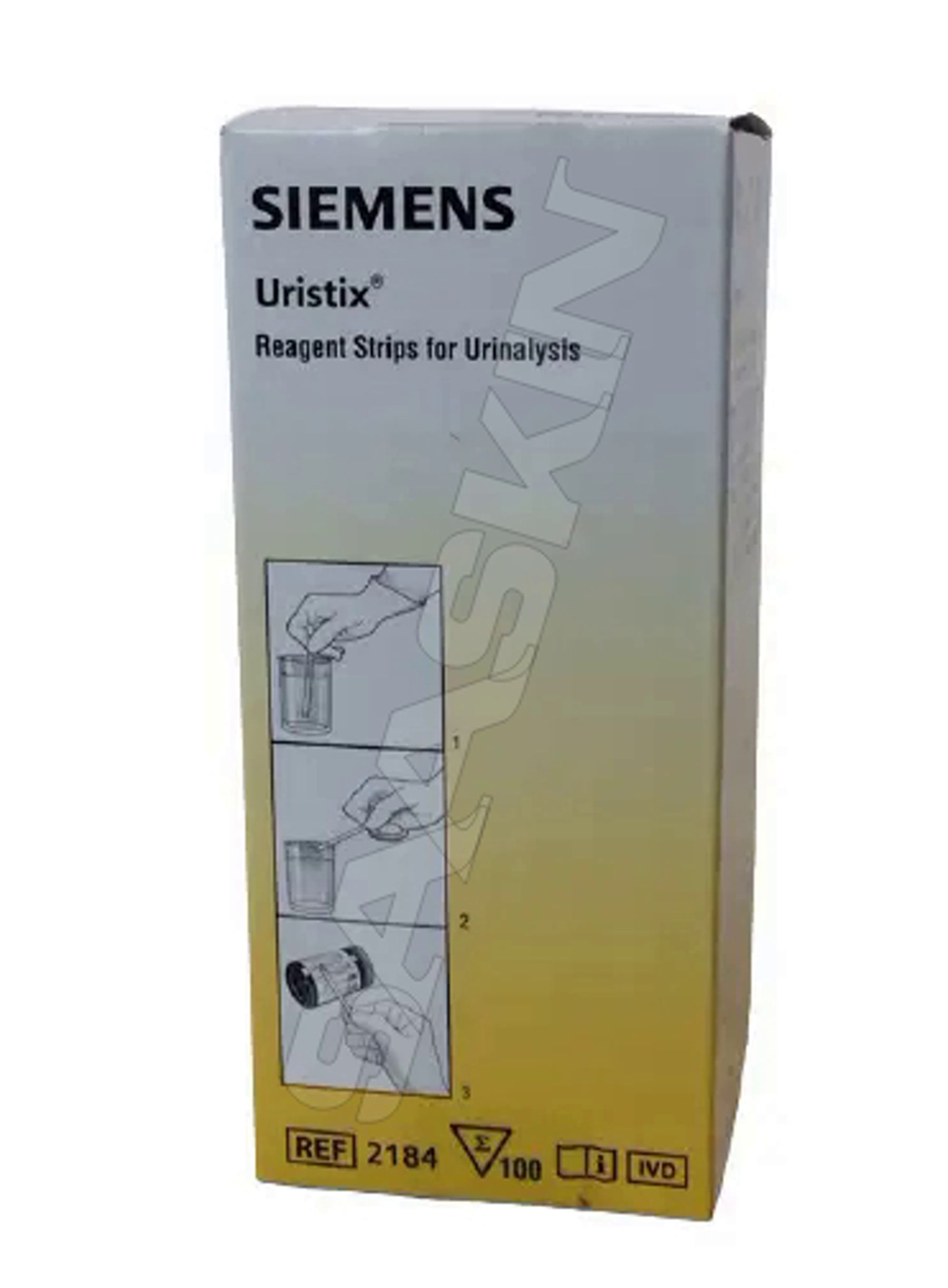
Uristix Siemens Reagent Strips for Urinalysis provides a quick and convenient method of testing urine for the presence of glucose & protein. Each Uristix strip is ready to use upon removal from the bottle and is made of solid plastic with a test area containing special chemicals. As it is composed of strong and top-class material, these strips are best used for self-testing. It can be read visually or using an instrument. It is also a risk-free, pain-free, money-saving, simple and comfortable way to test urine.
Rapid and Convenient Urine AnalysisSiemens Uristix Reagent Strips deliver quick and reliable results for glucose and protein in fresh urine samples, transforming the diagnostic process in clinical environments. With an intuitive dip-and-read operation and a rapid turnaround time of just 30 to 60 seconds, these strips streamline workflows and enhance patient care efficiency. Their easy usage eliminates the need for bulky equipment, making them ideal for on-the-go or large-scale testing.
Optimized for Accuracy and DurabilityEvery strip is manufactured with precision chemical indicator pads, assuring high sensitivity and specificity. The desiccant-sealed tube packaging safeguards integrity over an 18-24 month shelf life, as long as storage instructions (between 2-30C, cool and dry) are followed. Dependable and robust, the strips maintain performance consistency, ensuring trustworthy results throughout their lifespan.
Versatile Application in Healthcare SettingsTailored for hospitals, clinics, diagnostic centers, and even mobile healthcare units, Siemens Uristix strips are suitable for a range of diagnostic needs. Their rectangular strip design fits standard workflow routines, and the colorimetric indicator pads enable clear result interpretation under ambient lighting. The set includes 100 strips and a comprehensive instruction leaflet, making it accessible for dealers, distributors, and healthcare professionals.
FAQ's of Siemens Uristix Reagent Urinalysis Strips:
Q: How should I properly use Siemens Uristix Reagent Urinalysis Strips?
A: To use, immerse the reagent strip briefly in a fresh urine sample, remove immediately, and gently tap to remove any excess liquid. Wait 30 to 60 seconds after dipping and compare the color changes on the pads to the reference chart in ambient lighting for accurate results.
Q: What parameters does this test detect and what is its primary benefit?
A: Siemens Uristix Reagent Strips detect glucose and protein (albumin) in urine. The primary benefit is rapid, high-sensitivity and specificity detection, supporting timely diagnosis and management of various conditions, including diabetes and renal disorders.
Q: When should the results be read after performing the test?
A: Results should be read precisely 30 to 60 seconds after dipping the strip into the urine sample for optimal accuracy. Reading outside this time window may lead to incorrect interpretation.
Q: Where can these reagent strips be used effectively?
A: These strips are designed for broad application in hospitals, clinics, diagnostic laboratories, and mobile healthcare setups. Their portability and ease of use make them suitable for both routine and point-of-care testing environments.
Q: What is the recommended storage process to ensure the strips remain effective?
A: Store the strips in their original desiccant-sealed tube, tightly closed, in a cool, dry place at 2-30C. Avoid exposure to direct sunlight, moisture, or extreme temperatures to preserve their efficacy throughout the 18-24 month shelf life.
Q: How many strips come in each pack and are special accessories needed?
A: Each standard pack contains 100 reagent strips and an instruction leaflet. No additional equipment is required, as the dip-and-read operation can be performed manually under normal room lighting conditions.
Q: What are the key advantages of using Siemens Uristix Strips for urinalysis?
A: Key advantages include rapid results, high accuracy, easy operation without specialized equipment, and reliable performance across a wide range of clinical and field settings. Their design supports both large-volume and individual testing needs efficiently.












 Accepts only Export inquiries



 Send Inquiry