Product Description
Brand PerkinElmer
Model 400
Capacity 7,800 600 cm-1
CAT No L1860816
Application Spectroscopy
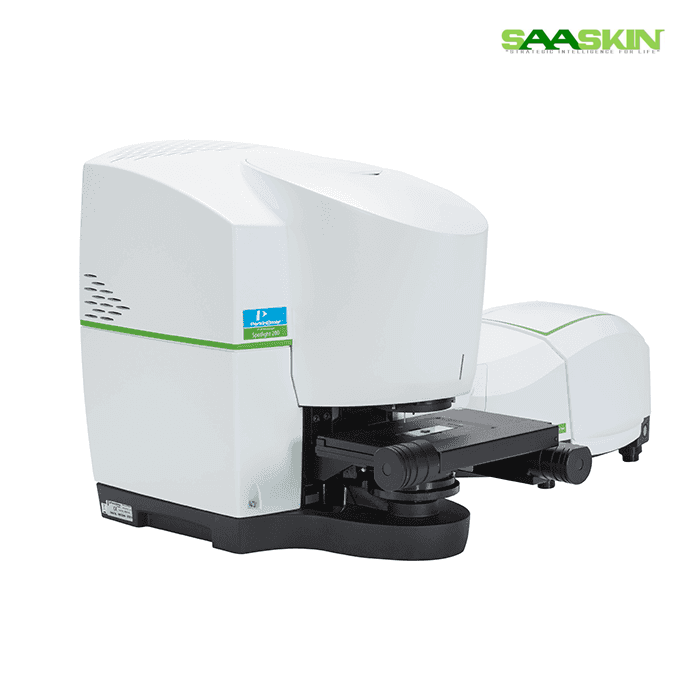
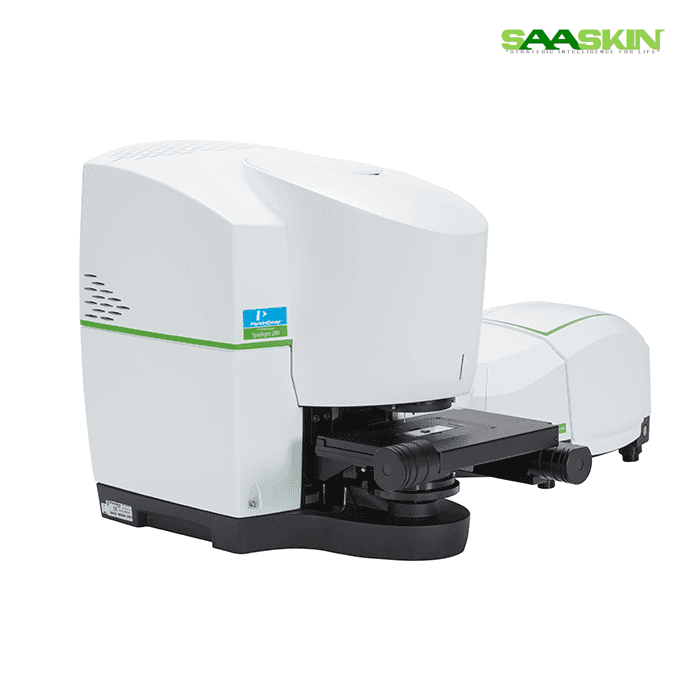
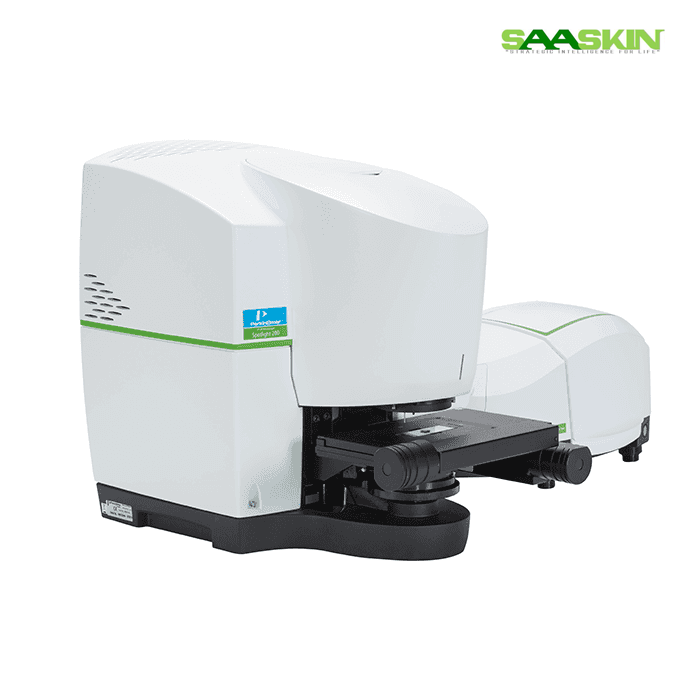
Spotlight IR microscope systems are designed to meet the challenges of an expanding laboratory by generating high-quality, reproducible data from a variety of sample types. The Spotlight 400 FT-IR Imaging System combines high sensitivity and rapid imaging with ease-of-use. The ability to image large sample areas rapidly at high spatial resolution extends FT-IR microscopy into new applications.
Advanced FT-IR Imaging ExcellenceEngineered for superior chemical and material analysis, the Spotlight 400 combines high spectral and spatial resolution with automation. Its MCT liquid nitrogen cooled detector ensures low noise and outstanding sensitivity, enabling detailed imaging down to 1.56 microns. This system is tailored for research labs and quality control environments seeking efficient and precise FT-IR imaging.
Versatile Imaging Modes and SamplingThe Spotlight 400 supports transmission, reflection, and ATR imaging modes, allowing users to examine various sample types. Coupled with selectable, software-controlled aperture sizing and a fully programmable XY motorized stage, this platform offers exceptional flexibility for different analytical tasks. Micro and macro sampling methods further expand its application scope.
Seamless Integration and UsabilityWith its integrated color touchscreen display, intuitive software compatibility, and extensive connectivity options (USB, Ethernet), the Spotlight 400 streamlines workflows. The automated stage and multi-point mapping enable high-throughput imaging, while manual override options ensure adaptability for complex or delicate samples. It is well-suited for researchers prioritizing productivity and accuracy.
FAQ's of PerkinElmer Spotlight 400 FT-IR Imaging System:
Q: How does the PerkinElmer Spotlight 400 achieve such high spectral and spatial resolution?
A: The Spotlight 400 utilizes a liquid nitrogen cooled MCT detector for low noise performance, along with finely engineered optics and a stabilized IR source. Its design allows for pixel resolutions down to 1.56 microns and spectral resolutions reaching 0.4 cm1, supported by advanced automation and precise motion control of the XY stage.
Q: What software is required to operate the Spotlight 400 FT-IR Imaging System?
A: The system is fully compatible with PerkinElmer Spectrum 10 FT-IR software, which enables data collection, analysis, and report generation. It also supports data formats that integrate seamlessly with other PerkinElmer Spectrum software editions.
Q: When is it beneficial to use the automated XY motorized stage?
A: The programmable XY motorized stage is advantageous for imaging large areas or performing multi-point mapping automatically. This feature enhances throughput and repeatability in high-content imaging studies or routine quality assessments, minimizing manual intervention and saving time.
Q: Where can the Spotlight 400 be effectively utilized?
A: This FT-IR imaging system is suitable for chemical and material research laboratories, academic institutions, pharmaceutical companies, and industrial quality control settings. Its robust design and high-performance components make it adaptable to a wide array of research and production environments.
Q: What is the process for preparing samples with the Spotlight 400 system?
A: Samples can be prepared for micro or macro analysis using transmission, reflection, or ATR mode, depending on the material characteristics. The software-controlled, selectable aperture and programmable stage allow users to tailor the imaging process, ensuring optimal acquisition for each specific sample type.
Q: How does the Spotlight 400 benefit users in terms of data quality and throughput?
A: The instrument's high sensitivity, low noise MCT detector, precise motion control, and automation allow for rapid, high-resolution imaging. Typical imaging speeds reach 1 mm2/min, while advanced features such as large field of view and multi-point mapping provide comprehensive data with exceptional accuracy and reproducibility.











 Accepts only Export inquiries



 Send Inquiry