Product Description
Brand         Eppendorf
Product Type    PCR Plates
Pack Size       25 Nos
CAT No         Refer Below
| Eppendorf twin.tec Trace PCR Plates BioBased PCR Clean | CAT No. |
| PCR Plates 96 BioBased, skirted, 150 L, spring green, ACT, 25 plates | 0030129857 |
| PCR Plates 96 BioBased, skirted, 150 L, colorless, ACT, 25 plates | 0030129849 |
| PCR Plates 96 BioBased LoBind, skirted, 150 L, colorless, ACT, 25 plates | 0030531086 |
| PCR Plates 96 BioBased, semi-skirted, 250 L, colorless, ACT, 25 plates | 0030531043 |
| PCR Plates 96 BioBased LoBind, semi-skirted, 250 L, colorless, ACT, 25 plates | 0030531060 |
| PCR Plates 384 BioBased, skirted, 45 L, colorless, ACT, 25 plates | 0030531051 |
| PCR Plates 384 BioBased LoBind, skirted, 45 L, colorless, ACT, 25 plates | 0030531078 |
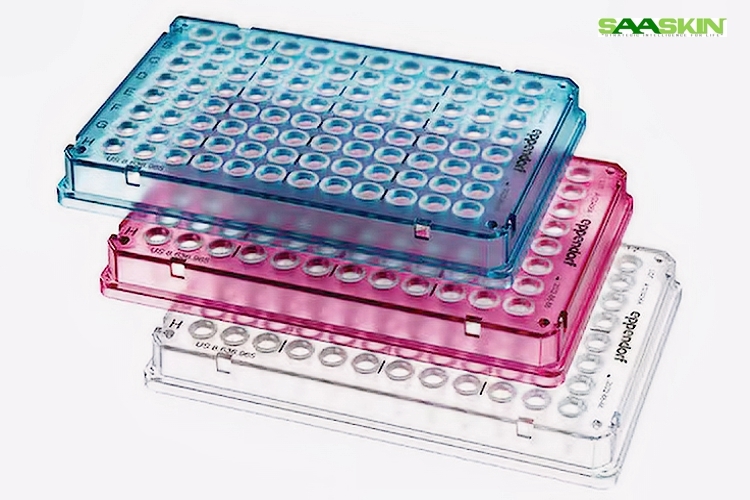
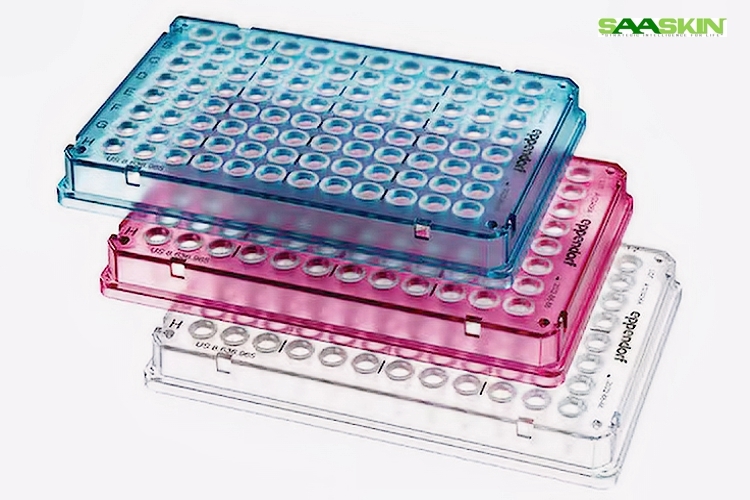
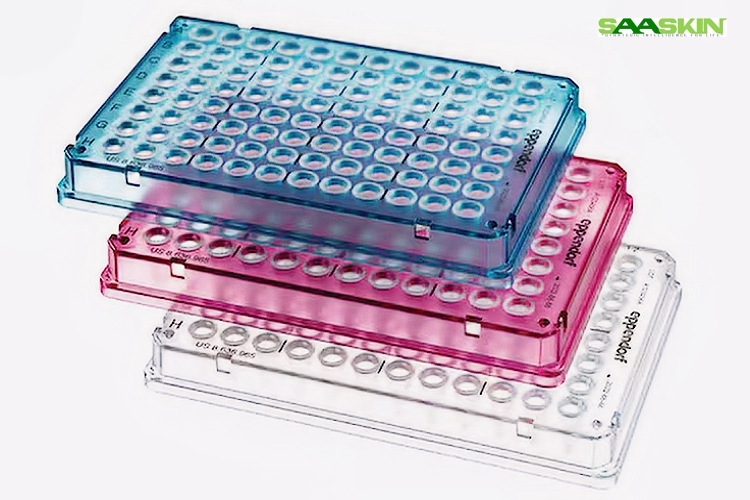
Precision for PCR and qPCR ApplicationsEppendorf twin.tec Trace PCR Plates BioBased are specifically designed for high-sensitivity PCR and qPCR, offering exceptional well-to-well consistency and minimal sample loss. Their low DNA binding surface supports precise amplification of even trace samples, helping you achieve reliable, reproducible outcomes in genetic analysis and research workflows.
Sustainability Meets High PerformanceWith a blue frame crafted from BioBased plastic, these plates advance sustainability in the lab without sacrificing quality. The combination of environmentally friendly materials and ultra-pure polypropylene wells delivers both durability and chemical resistance, making them suitable for routine and specialized applications while promoting responsible resource usage.
Certified Clean for Reliable ResultsPCR Clean certification guarantees freedom from human DNA, DNase, RNase, and PCR inhibitors. This rigorous quality standard ensures your samples remain uncontaminated, supporting accurate results in PCR, qPCR, and sample storage. Single-use, non-autoclavable design further minimizes any risk of cross-contamination between assays.
FAQ's of Eppendorf twin.tec Trace PCR Plates BioBased PCR Clean:
Q: How should I use the Eppendorf twin.tec Trace PCR Plate BioBased for optimal results?
A: To achieve optimal performance, manually load your samples into the 0.1 mL wells and seal them with either compatible adhesive films or cap strips. The plates fit most standard PCR and qPCR instruments, thanks to their ANSI/SLAS-compatible format.
Q: What are the main benefits of choosing the BioBased version of the twin.tec Trace PCR Plate?
A: The BioBased frame promotes sustainable laboratory practices while maintaining robust chemical resistance and ultra-pure sample containment for trace analysis. The plates also offer minimized DNA binding and certified cleanliness, ensuring precise, uncontaminated results.
Q: When should I select these PCR plates over other standard options?
A: Choose these plates when working with trace DNA/RNA samples, especially when contamination control and environmental sustainability are priorities. They are particularly advantageous in high-sensitivity PCR, qPCR, or bio-based laboratory initiatives.
Q: Where can I buy the Eppendorf twin.tec Trace PCR Plate BioBased in India?
A: You can purchase these plates via authorized dealers, distributors, exporters, manufacturers, suppliers, traders, and wholesalers throughout India. Check with your local lab equipment provider for availability.
Q: What is the process for ensuring sample integrity during PCR with these plates?
A: Utilize the PCR Clean-certified plates directly from the package to load your samples into the low-binding wells. Immediately seal with suitable adhesives or cap strips to prevent contamination, and store plates within the recommended temperature range of -80C to 100C until use.
Q: Are these plates reusable or suitable for autoclaving?
A: No, the plates are designed for single-use only and cannot be autoclaved. This disposable design supports maximum sample integrity by eliminating the possibility of cross-contamination.
Q: What types of sample storage and analytical procedures are these plates best suited for?
A: These plates are ideal for low DNA binding PCR, qPCR, and storage of sensitive or trace samples, especially when contamination-free performance and sustainability are required.












 Accepts only Export inquiries



 Send Inquiry