Product Description
Brand Thermo Fisher Scientific
Model CryoExtra
Capacity 1770 L
CAT No CE8194
Application Cryogenic Storage Systems
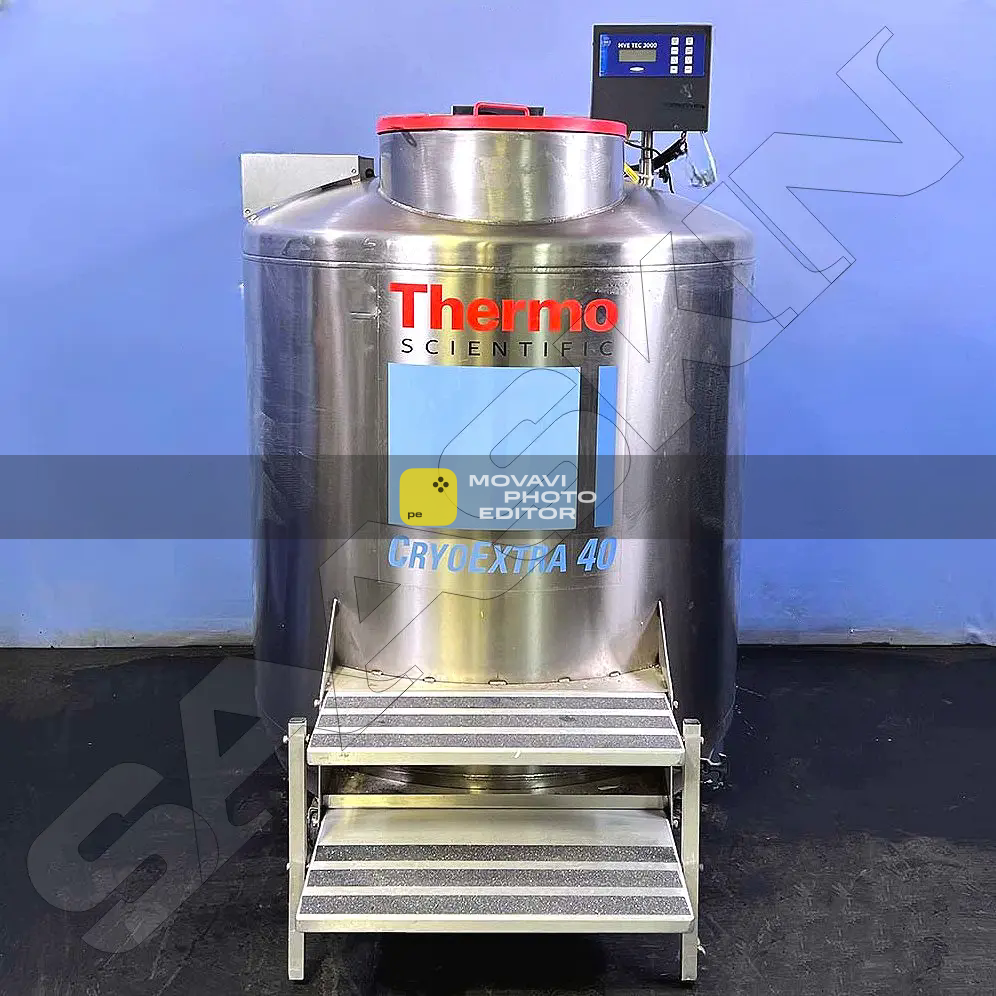
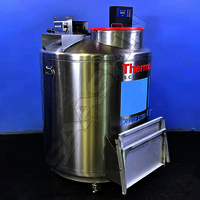
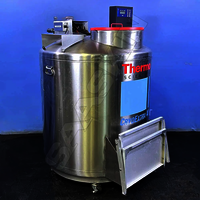
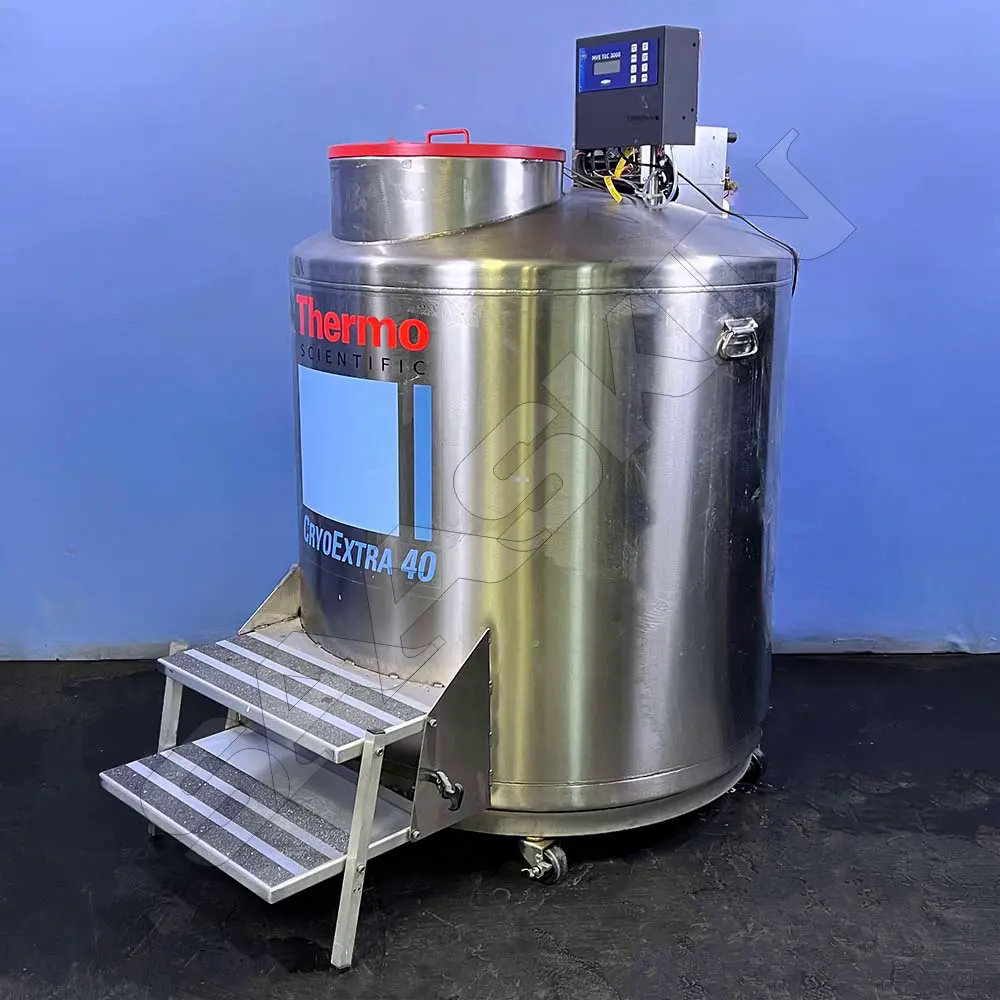
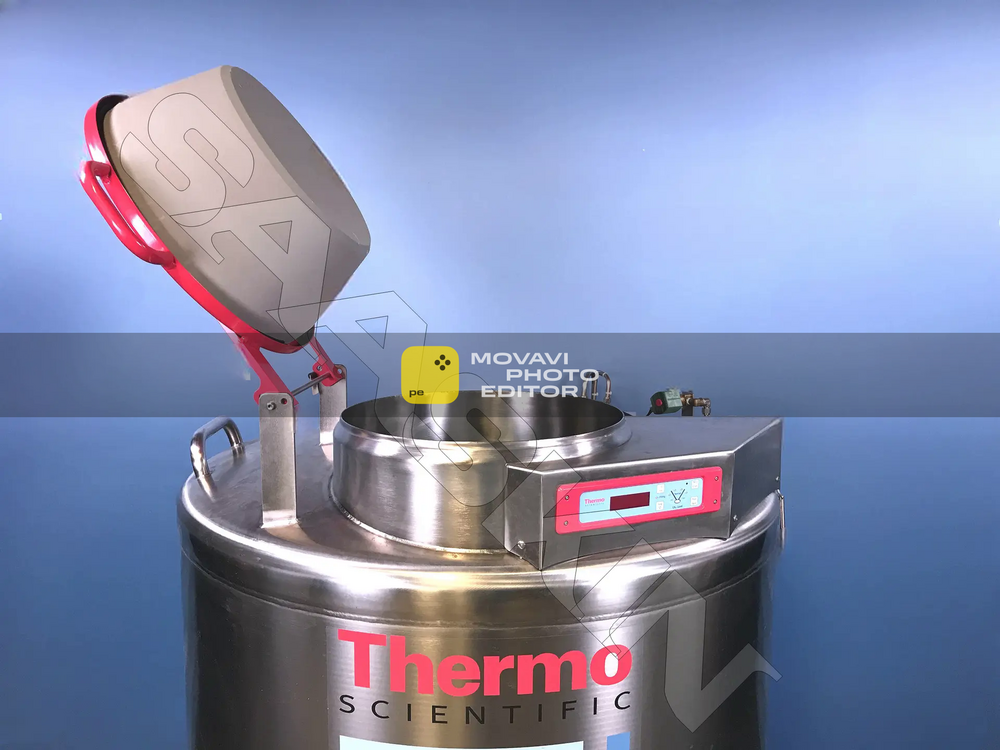
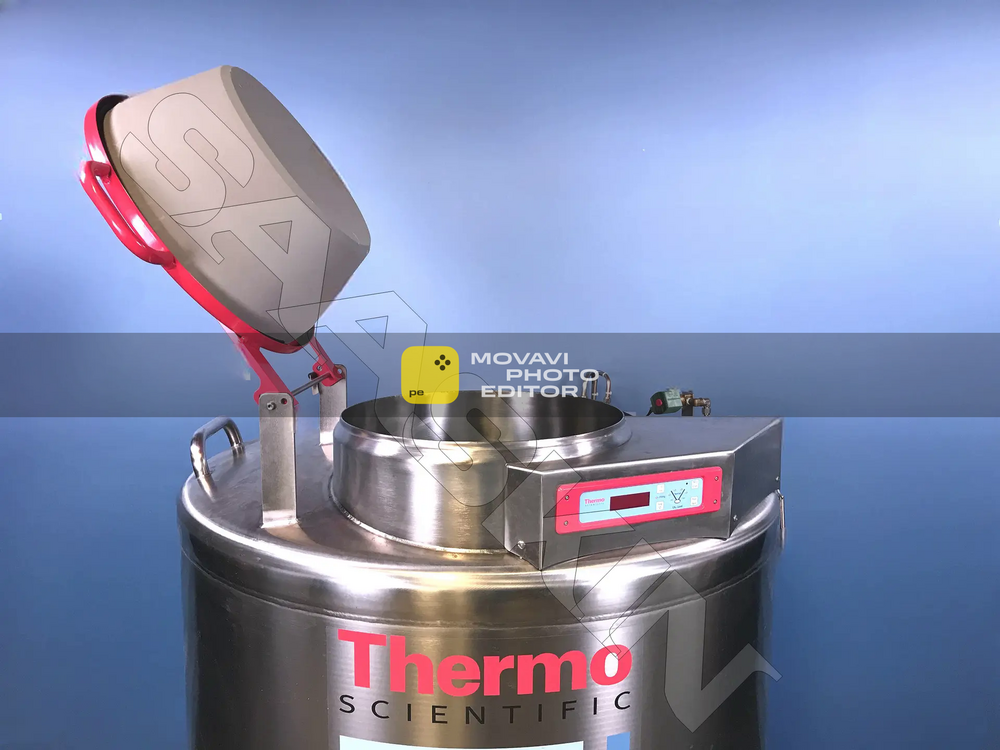
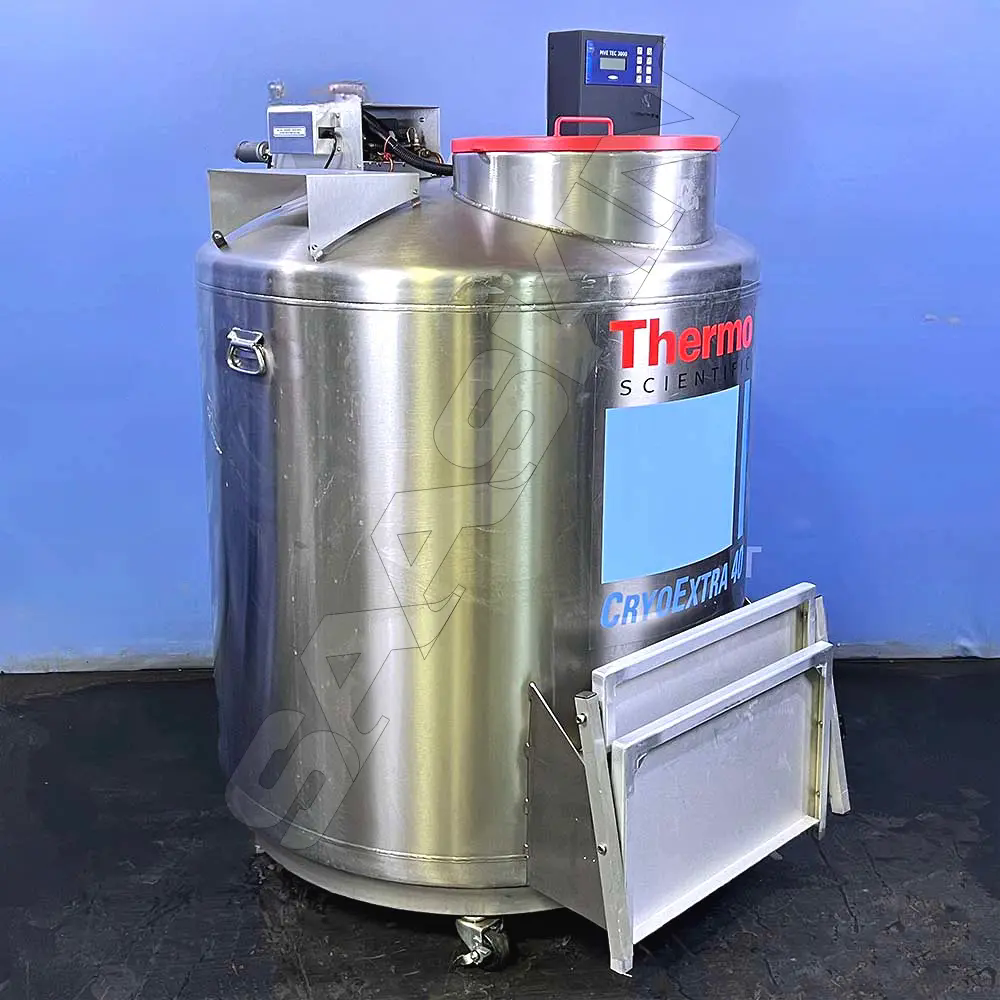
Designed for both liquid and vapor phase storage, the Thermo Scientific CryoExtra Series features automated temperature monitoring and microprocessor-based LN2 level control, providing peace-of-mind for valuable samples.
Advanced Cryogenic Storage for Vital SamplesThermo Scientific CryoExtra systems provide unparalleled protection for valuable biological specimens. Designed for use in research, clinical labs, and biobanks, they deliver ultra-low temperatures and consistent performance. With a large storage capacity (up to 100,000 vials, model dependent), you can efficiently organize and safeguard your samples. The combination of automatic/manual LN2 filling, comprehensive alarms, and digital monitoring enables extended, worry-free operation.
Intelligent Controls and Enhanced SafetyEvery CryoExtra unit features automated or manual liquid nitrogen refill options, along with a digital interface for real-time status monitoring. Audible and visual alarms alert users to temperature deviations, lid openings, or low nitrogen levels. The secure locking lid and event logging contribute to stringent sample control-meeting safety requirements for high-stakes laboratory environments.
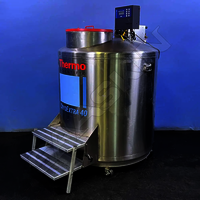
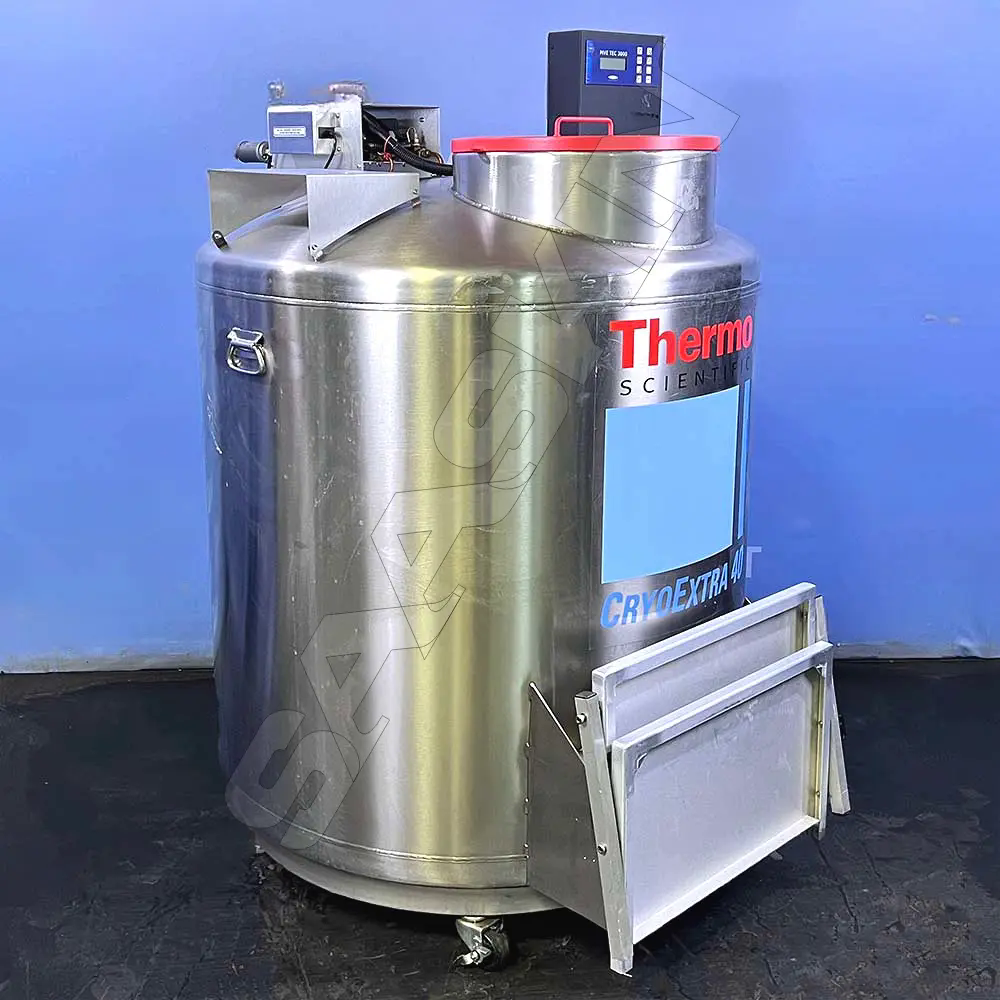
Built for Convenience and DurabilityConstructed from high-grade stainless steel with a robust mobile base, the CryoExtra systems are tailored for demanding laboratory conditions. Their compatibility with standard storage racks and boxes, paired with heavy-duty lockable casters, makes sample handling and system relocation seamless and efficient, promoting ease of use for technicians and researchers.
FAQ's of Thermo Scientific CryoExtra High-Efficiency Cryogenic Storage Systems:
Q: How do I monitor the temperature and nitrogen levels in the CryoExtra Cryogenic Storage System?
A: The CryoExtra system is equipped with a digital display that shows real-time temperature and liquid nitrogen levels. It also maintains an event log and supports remote monitoring, ensuring you can always verify operating conditions, whether on-site or from a remote location.
Q: What is the process for refilling liquid nitrogen in these storage systems?
A: You have the flexibility to choose between automatic and manual liquid nitrogen filling, depending on your laboratory workflow. Automatic filling minimizes manual intervention, while the manual mode is available for customized operation or backup situations.
Q: When should the alarm system be expected to activate and what notifications does it provide?
A: The system's audible and visual alarms activate whenever temperature fluctuations, unauthorized lid openings, or low liquid nitrogen levels are detected, alerting staff instantly to safeguard your stored samples.
Q: Where can the CryoExtra Cryogenic Storage System be installed in my facility?
A: Thanks to its compact footprint, heavy-duty lockable casters, and robust construction, the CryoExtra system can be positioned conveniently in laboratories, biobanks, hospitals, or clinical labs. Just ensure proper ventilation and access to electrical power supply (220-240 V, 50/60 Hz).
Q: What are the usage and storage capacity options of CryoExtra systems?
A: Depending on the model, CryoExtra storage units can hold up to 100,000 2 mL vials using standard cryo boxes and racks, making them suitable for both high-throughput research facilities and long-term biobanking needs.
Q: How does the design of the lid enhance security and sample integrity?
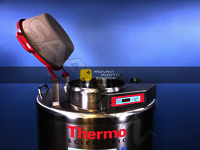
A: The top-opening lid is insulated to minimize thermal loss and features a robust lock mechanism. This provides both temperature stability and security, reducing any risk of accidental or unauthorized access to the sample chamber.
Q: What are the primary benefits of using the CryoExtra High-Efficiency Storage System in a laboratory setting?
A: These systems offer unparalleled security, long hold times, flexibility in nitrogen filling, state-of-the-art monitoring, high storage capacity, and straightforward mobility-all critical for maintaining sample viability over lengthy periods in demanding environments.










 Accepts only Export inquiries



 Send Inquiry