Product Description
Brand            Eppendorf
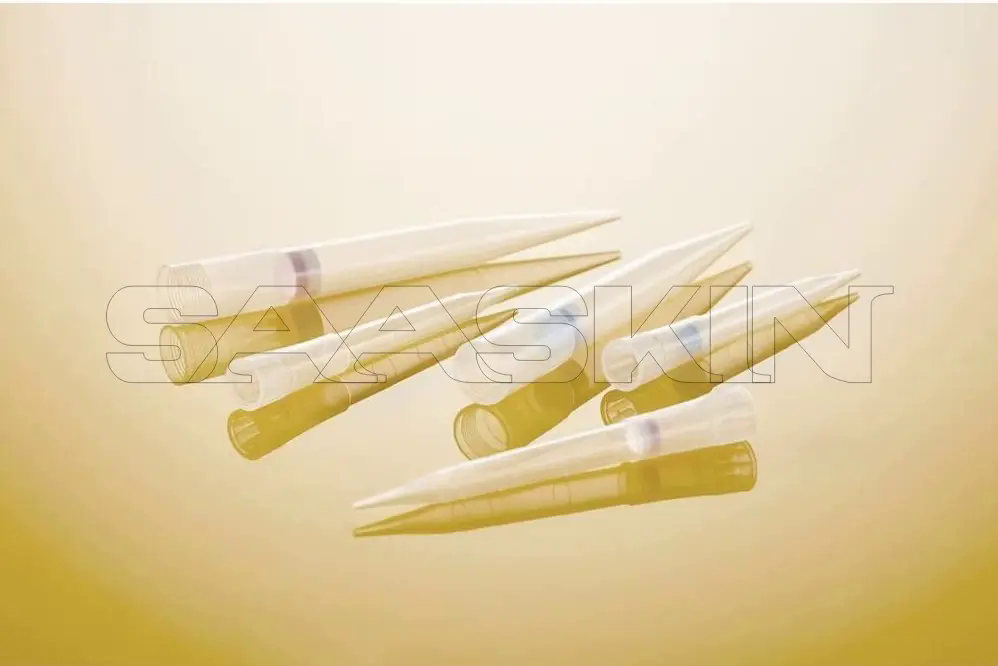
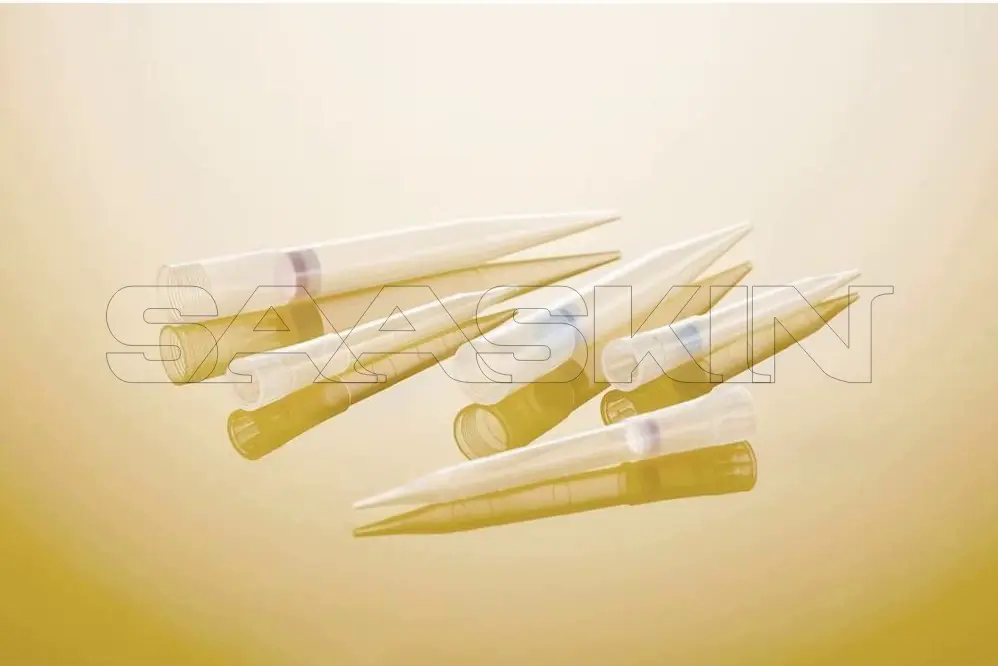
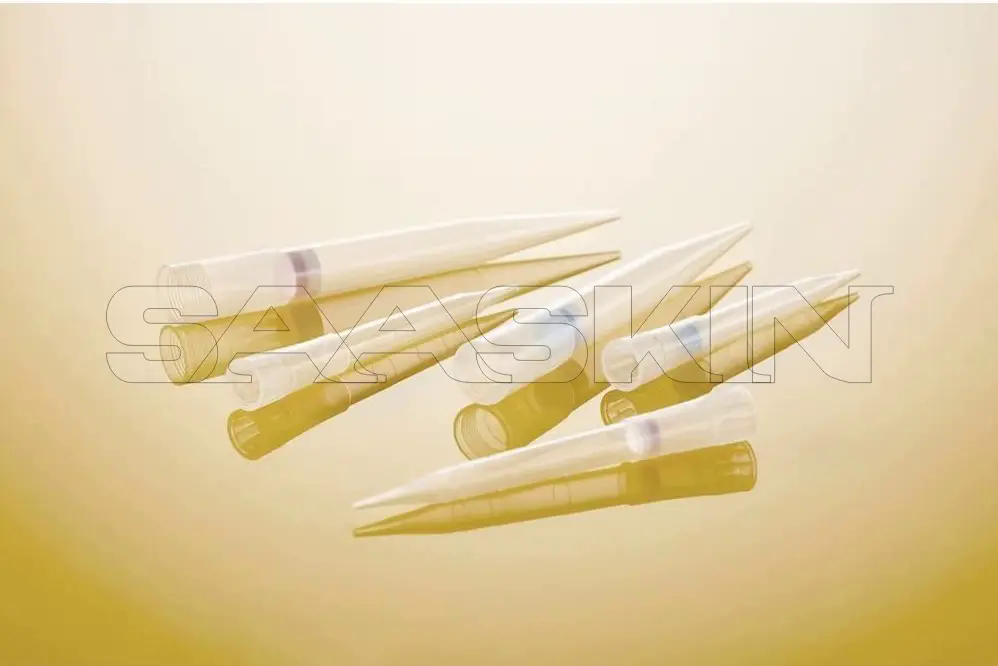
Product Type      Pipette Tips
Pack Size         Refer Below
CAT No           Refer Below
| epT.I.P.S.A BioBased Standard |
CAT No |
| 0.1 a 10 I14L, 34 mm, dark gray, colorless tips, 1,000 tips |
30080033 |
| 0.5 a 20 I14L, 46 mm, light gray, colorless tips, 1,000 tips |
30080050 |
| 2 a 200 I14L, 53 mm, yellow, colorless tips, 1,000 tips |
30080068 |
| 20 a 300 I14L, 55 mm, orange, colorless tips, 1,000 tips |
30080076 |
| 50 a 1,000 I14L, 71 mm, blue, colorless tips, 1,000 tips |
30080084 |
| 50 a 1,250 I14L, 76 mm, green, colorless tips, 1,000 tips |
30080092 |
| 50 a 1,250 I14L, 103 mm, dark green, colorless tips, 1,000 tips                |
30080106 |
| 0.1 a 2.5 mL, 115 mm, red, colorless tips, 500 tips |
30080114 |
| 0.1 a 5 mL, 120 mm, violet, colorless tips, 500 tips |
30080122 |
| 0.2 a 5 mL, 175 mm, violet, colorless tips, 300 tips |
30080130 |
Sustainable PerformanceMade from renewable bio-based polypropylene, Eppendorf epT.I.P.S. BioBased Standard tips reduce your laboratory's carbon footprint while delivering outstanding performance. This innovative approach combines eco-friendliness with the trusted precision Eppendorf products are known for, allowing responsible resource use in demanding research environments.
Certified ReliabilityEach tip is rigorously tested and certified free from RNase, DNase, and PCR inhibitors, making them ideal for sensitive molecular biology applications. The availability of both sterile and non-sterile formats ensures you have the right level of contamination control to match your protocols, whether you're working in PCR, cell culture, or general laboratory tasks.
Flexible CompatibilityepT.I.P.S. BioBased Standard tips are designed for optimal fit with Eppendorf pipettes as well as most major brands using air-cushion mechanisms. The clear graduation marks allow quick visual verification of volume, while their light weight and manually operable design make them suitable for both single and multi-channel pipettes.
FAQ's of Eppendorf epT.I.P.S. BioBased Standard:
Q: How do I select the appropriate Eppendorf epT.I.P.S. BioBased Standard tip size for my experiment?
A: Choose the tip volume (e.g., 10 L, 200 L, 1,000 L) based on your pipette model and the volume you plan to handle. Ensure compatibility with your specific pipette brand and match the application's precision requirements.
Q: What are the advantages of using bio-based polypropylene tips in my laboratory?
A: Bio-based polypropylene is derived from renewable resources, which helps reduce your laboratory's carbon footprint. It maintains performance standards comparable to conventional plastics, making these tips both eco-friendly and reliable.
Q: When should I use sterile versus non-sterile epT.I.P.S. BioBased Standard tips?
A: Sterile tips are recommended for applications where contamination must be avoided, such as molecular biology or cell culture. Non-sterile tips are suitable for general laboratory tasks where sterility is less critical.
Q: Where can I use Eppendorf epT.I.P.S. BioBased Standard tips?
A: These tips are suitable for use in research laboratories handling applications like molecular biology, chemistry, cell culture, and routine pipetting tasks. They can be used anywhere compatible pipettes are in operation.
Q: What is the process for autoclaving these tips, and what temperature and duration are recommended?
A: Eppendorf epT.I.P.S. BioBased Standard tips can be autoclaved at 121C. Follow your laboratory's standard autoclaving procedure, ensuring the recommended temperature is reached to maintain sterility and tip integrity.
Q: How does the clear graduation marking benefit daily laboratory use?
A: The clear graduation marks on each tip allow you to visually confirm the aspiration or dispensing volume, reducing errors and improving accuracy during liquid handling tasks.
Q: Are these tips compatible with pipettes from other manufacturers, or only Eppendorf?
A: While designed for Eppendorf pipettes, the epT.I.P.S. BioBased Standard tips are also compatible with most standard air-cushion pipettes, expanding their usability to different laboratory setups.










 Accepts only Export inquiries



 Send Inquiry