Product Description
Brand Thermo Fisher Scientific
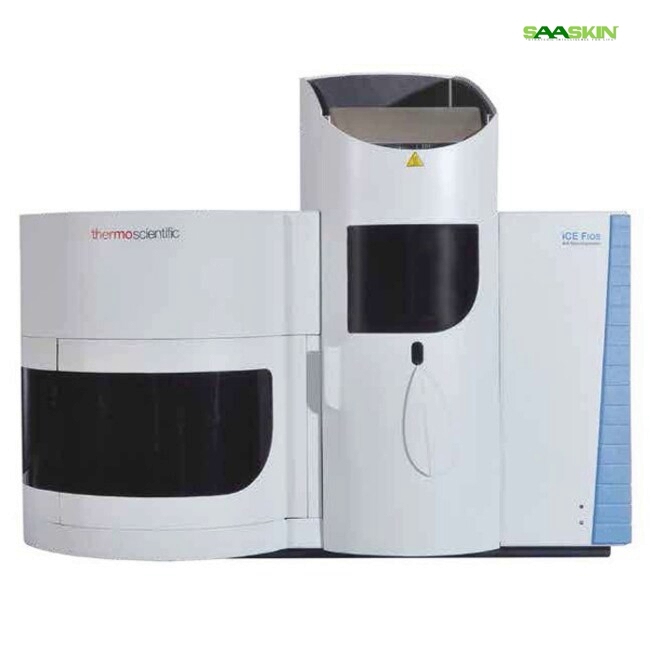
Model iCE FIOS
Capacity 0.1 to 2.0 nm
CAT No MSA030351
Application Spectroscopy
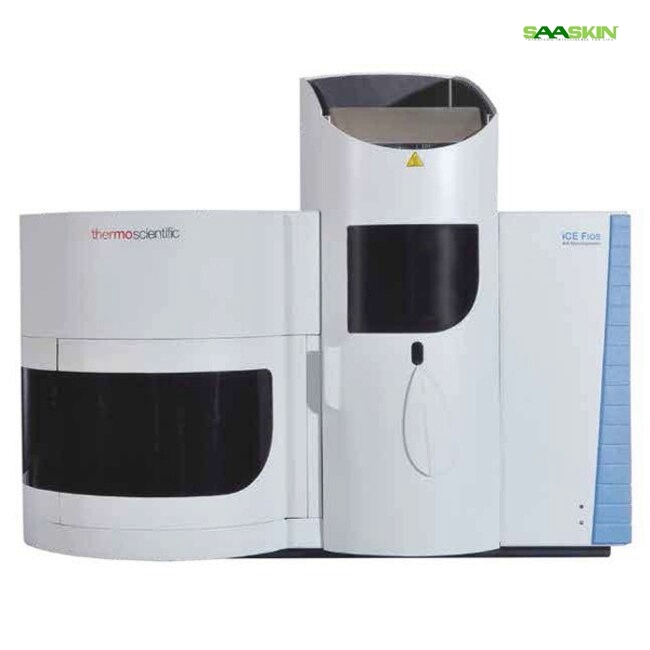
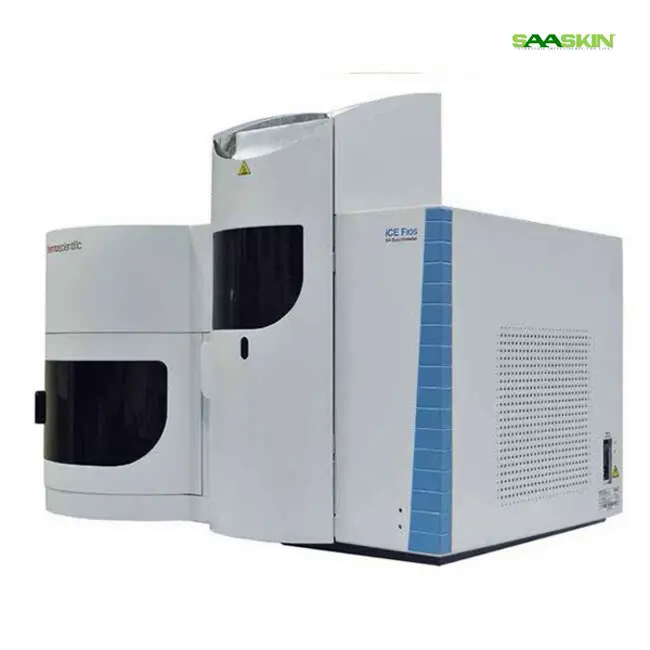
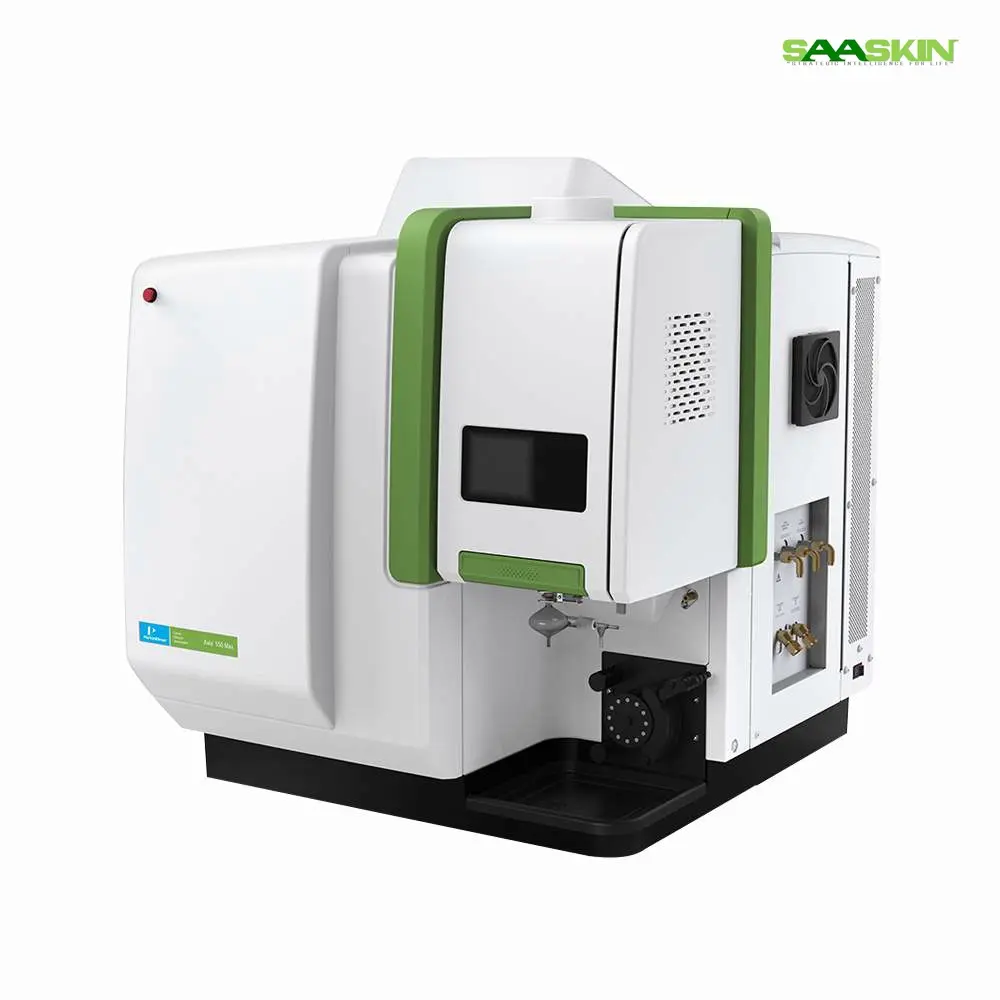
Analyze different elements at varying concentration ranges with the Thermo Scientific iCE FIOS Atomic Absorption Spectrometer. The iCE FIOS AAS incorporates a unique, easy-access ten-lamp carousel with the capability to read coded lamps, facilitating measurement of a wide range of elements and expanding your analysis. High light transmission ensures high precision and accuracy. The flame atomizer, combined with the double beam optical fiber system, enables elemental analysis in concentrations ranging from sub-ppm to % level.
Superior Analytical PerformanceThe iCE FIOS accommodates a broad wavelength range (190-900 nm) and utilizes multiple detection methods: flame, graphite furnace, and hydride generation. Capable of simultaneous multi-element analysis, it delivers exceptional signal-to-noise ratios greater than 200:1, providing high sensitivity and reliable results for demanding applications.
Advanced Safety & AutomationIntegrated burner head position sensors, gas leak detection, automatic shutdown, and chemical-resistant construction guarantee operator safety. Its fully automated design, quick-start guided interface, and intuitive LCD kiosk enhance usability and drastically reduce manual interventions, making the system ideal for high-throughput laboratories.
Flexible Sample Handling & ConnectivityWith an integrated autosampler and options for manual injection, the instrument can process up to 20 samples per hour (flame) or 10 per hour (furnace). Data management is simplified by robust internal storage (up to 5,000 sample files) and seamless USB/Ethernet connectivity, supported by the powerful SOLAAR software suite.
FAQ's of Thermo Scientific iCE FIOS Atomic Absorption Spectrometer:
Q: How does the iCE FIOS ensure precise measurements for a variety of sample types?
A: The instrument supports a wide wavelength (190-900 nm) and multiple detection techniques (flame, graphite furnace, hydride generation). Combined with a high-precision graphite furnace (2C at 1000C) and advanced optical components, it delivers accurate readings for numerous matrices, from environmental to pharmaceutical samples.
Q: What is the process for introducing samples into the iCE FIOS?
A: Samples can be introduced via an integrated autosampler for automated sequences or manually for individual tests. The system accommodates a range of flame atomizer gases (air-acetylene, nitrous oxide-acetylene), supporting diverse analysis needs.
Q: When should I use the graphite furnace mode versus flame mode?
A: Use the graphite furnace for trace element detection at ultra-low concentrations (ppb), particularly when high sensitivity is required. The flame mode is ideal for routine, faster analyses at higher throughput (up to 20 samples/hour), suitable for less demanding concentration ranges.
Q: Where can the iCE FIOS Atomic Absorption Spectrometer be used?
A: Designed for versatility, the iCE FIOS is suited to research labs, industrial quality control, environmental monitoring stations, food & beverage testing labs, and pharmaceutical industries. Its durable build and safety features make it a reliable choice for academic and commercial settings worldwide.
Q: How does the SOLAAR software enhance instrument performance and data management?
A: Thermo Scientific SOLAAR software provides guided operation, method development, and streamlined data analysis. It manages result archiving (up to 5,000 files), facilitates export via USB/Ethernet, and offers compliance support-all through an intuitive, user-friendly interface.
Q: What safety features are incorporated into the iCE FIOS?
A: Safety features include burner head position sensors, gas leak detection, automatic shutdown mechanisms, and construction from chemical-resistant materials, safeguarding both the operator and the instrument during operation.
Q: What are the benefits of the iCE FIOS for heavy-metal and environmental analysis?
A: The spectrometer's high sensitivity (ppm to ppb), robust automation, and multi-element analysis capability streamline workflows and elevate analytical confidence, yielding actionable data for compliance, quality control, and research-driven applications.











 Accepts only Export inquiries



 Send Inquiry