Product Description
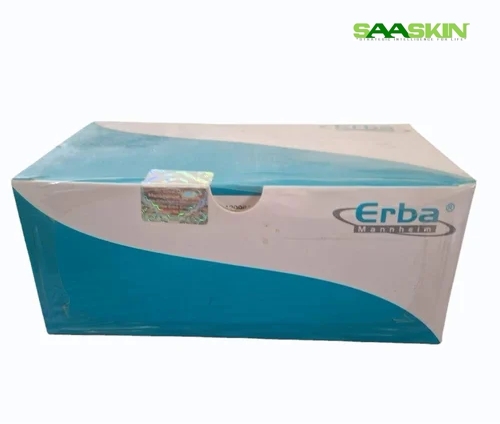
| Brand |
Erba Mannheim |
| Sample Type |
Urine |
| Pack Size |
1 x 5 ML/ 2 x 25 ML |
| CAT No |
120412 |
| Application |
Microalbumin Kit |
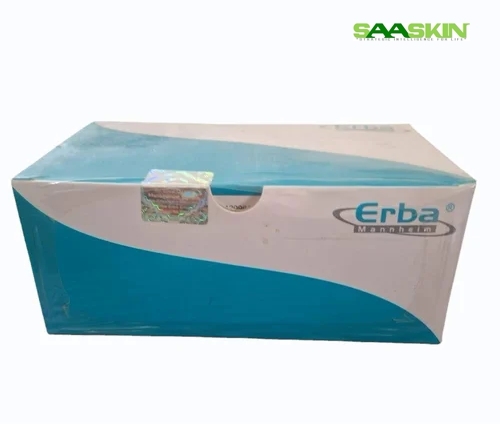
The Erba Microalbumin Kit is a diagnostic test used to measure the concentration of microalbumin in urine. Microalbumin is a type of protein that can appear in the urine when the kidneys are damaged or stressed. It is often used to detect early stages of kidney disease, particularly in individuals who have conditions like diabetes or hypertension, which can lead to kidney complications.
Reliable Microalbumin QuantificationErba's Microalbumin Kit employs immunoturbidimetry, a proven technique that combines specificity with precise quantification. It's formulated for consistency, allowing laboratories to accurately detect and monitor microalbuminuria, aiding in early identification of renal disorders. Its high sensitivity and reproducibility ensure dependable results throughout its validated measuring range.
Ready-to-Use Reagents for EfficiencyThis microalbumin kit features pre-mixed, ready-to-use reagents supplied in dropper bottles. This user-friendly format reduces preparation time and minimizes handling errors, enabling seamless workflow integration in busy diagnostic settings. With multi-point calibration and optional control sera, test consistency and quality are assured for every batch.
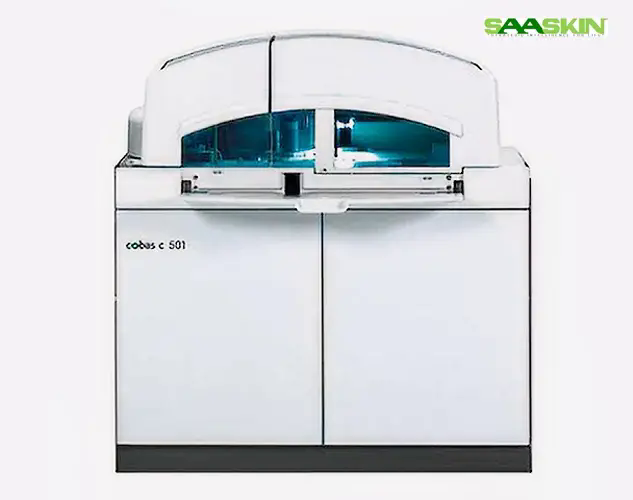
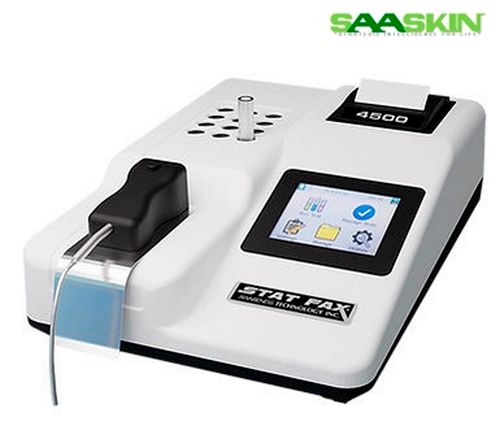
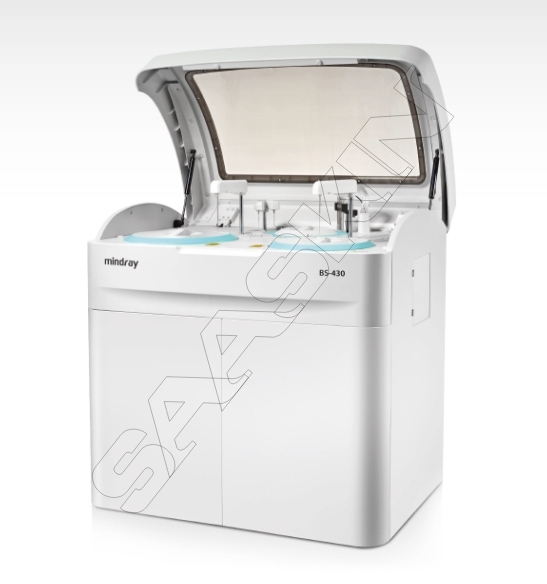
Flexible Compatibility and User ApplicationCompatible with most semi-automated and automated chemistry analyzers, the kit meets the diverse needs of clinical laboratories. Whether used manually or integrated into automated systems, the Erba Microalbumin Kit ensures accurate performance and versatility. Multiple pack sizes make it suitable for facilities of varying testing capacities.
FAQ's of Erba Microalbumin Kit:
Q: How does the Erba Microalbumin Kit work to determine microalbumin in urine?
A: The kit utilizes the immunoturbidimetric method, where specific antibodies react with microalbumin present in the urine sample, leading to turbidity proportional to the microalbumin concentration. The resulting change in absorbance is measured by a compatible chemistry analyzer to provide a quantitative result.
Q: What are the sample requirements for using this kit?
A: The Erba Microalbumin Kit is designed for use with human urine samples. It quantitatively measures microalbumin within a range of 10 - 200 mg/L, making it suitable for early detection and monitoring of kidney function.
Q: When should the kit reagents be used after opening, and how long do they last?
A: Once opened, the ready-to-use reagents should be used within their shelf life of 12 months from the manufacturing date, provided they are stored at 2-8C when not in use. Always check the label for the expiration date before testing.
Q: Where can the Erba Microalbumin Kit be utilized and by whom?
A: This kit is suitable for diagnostic laboratories, hospitals, and urine analysis facilities across India and beyond. It is distributed via dealers, traders, exporters, and suppliers, and is ideal for laboratory professionals engaged in routine and specialized urinalysis.
Q: What is the calibration process for accurate results?
A: A multi-point calibration curve is generated using provided calibrators or control serum (optional), ensuring reliable quantification. Calibration should be performed as per the manufacturer's instructions, typically before starting a new test run or as recommended by laboratory protocols.
Q: How does this kit benefit clinical diagnosis and patient outcomes?
A: The kit's high sensitivity and excellent correlation with nephelometric methods facilitate early and accurate detection of microalbuminuria, a key marker for kidney dysfunction. Timely identification enables clinicians to initiate appropriate interventions, improving patient management and outcomes.
Q: Is the kit compatible with all analyzers, and what is its operating type?
A: The Erba Microalbumin Kit is designed for compatibility with most semi-automated and automated chemistry analyzers, ensuring flexibility across different laboratory setups. Operation is primarily manual, but automation is possible, depending on the analyzer used.












 Accepts only Export inquiries



 Send Inquiry