Product Description
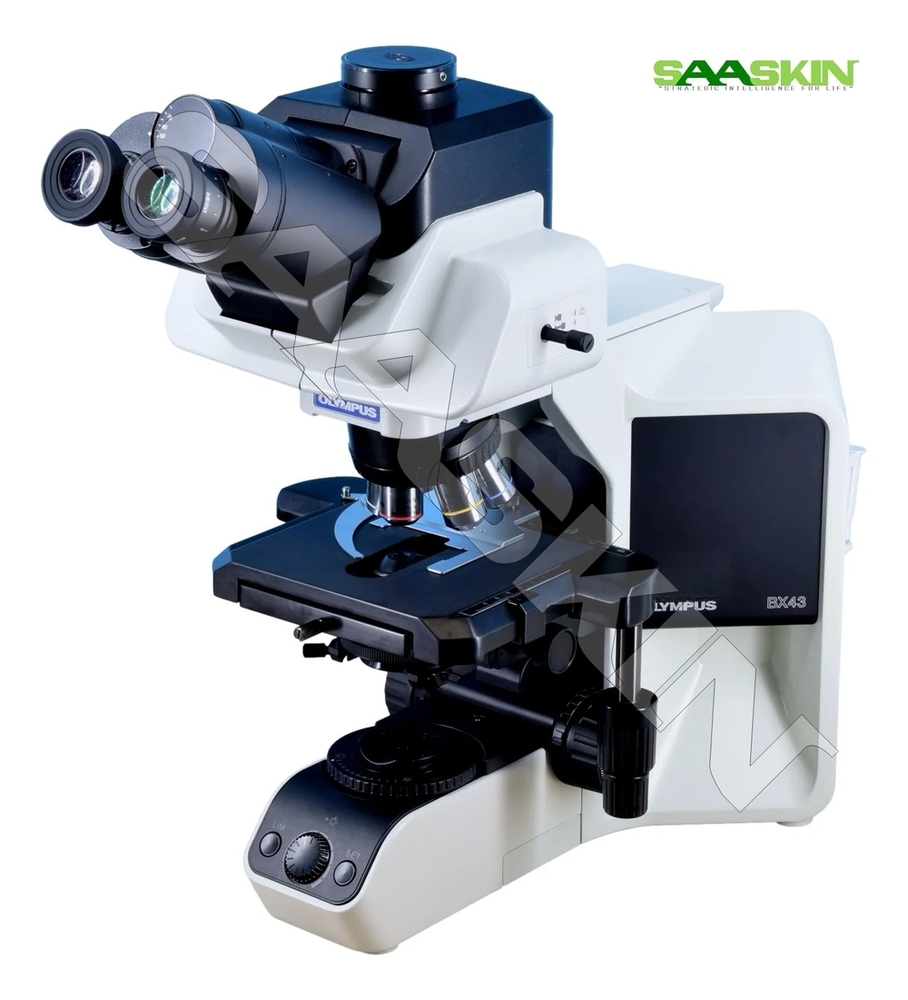
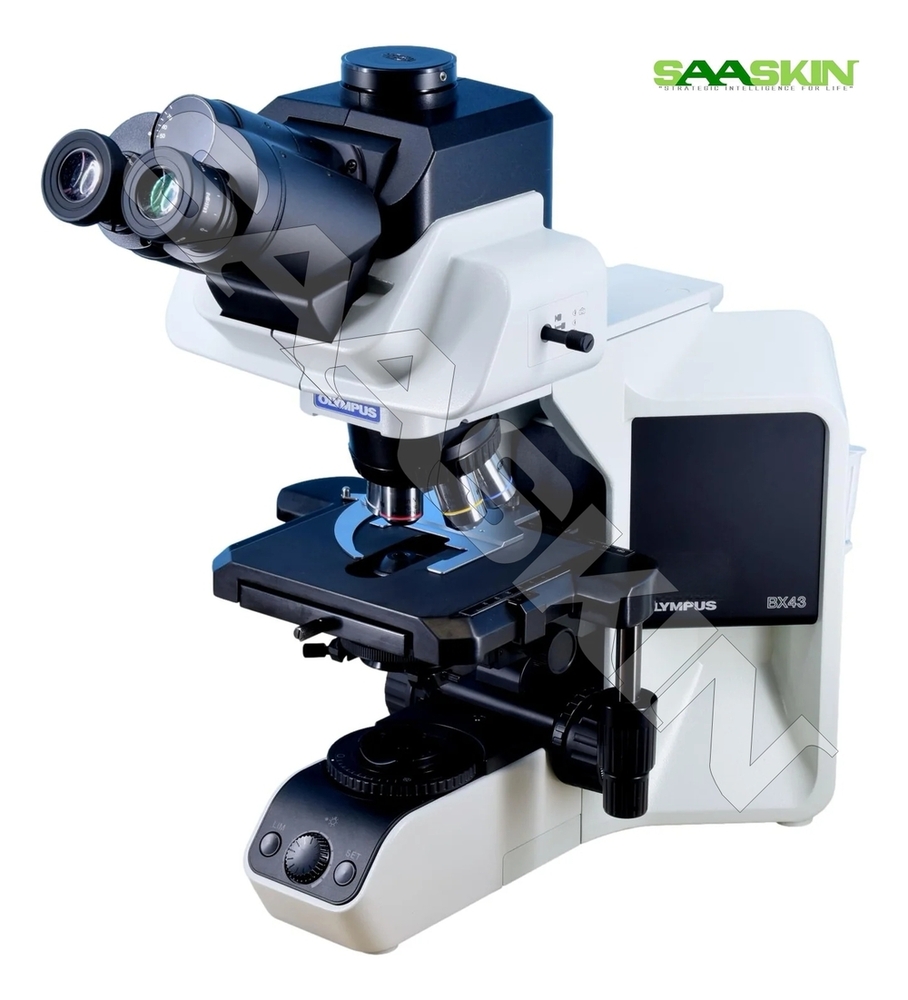
Brand Olympus
Model BX43
Configuration Bright Field.
CAT No BX43
Application Microscopy
The Olympus BX series of clinical microscopes offers a wide range of capabilities to meet the expanding microscope applications and observation methods, both for today and the future. Olympus's clinical microscopes, cameras and software provide significant improvements and technological advances in key araas, such as system flexibility, ergonomics and imaging. Each BX microscope platform is designed to enable users to fully benefit from Olympus's ergonomic approach and the high performance of the UIS2 optics, resulting in greater productivity and user comfort with uncompromising quality and versatility.
Advanced Optical PerformanceEquipped with UIS2 Plan Achromat objectives (4x, 10x, 40x, 100x Oil) and widefield 10x/22 mm eyepieces, the Olympus BX43 delivers sharp, distortion-free images. Its sophisticated optical design enables detailed analysis, making it an indispensable tool for precise laboratory investigations in biological and clinical research.
Flexible and Long-lasting IlluminationThe BX43 system offers the choice of LED or halogen illumination. The LED light source boasts a lifespan of approximately 60,000 hours, ensuring low maintenance and dependable operation. Halogen provides classic light quality, accommodating various observation preferences without frequent bulb changes.
User-friendly Design for Efficient WorkflowDesigned for versatility, the microscope features a mechanical stage (211 x 154 mm), coaxial coarse and fine focus, and a trinocular head with a 30 incline to minimize fatigue during extended observation. The ergonomic build, customizable stage, and broad interpupillary adjustment range enhance comfort and operational ease.
FAQ's of Olympus BX43 System Microscope:
Q: How does the Olympus BX43 support digital imaging for documentation?
A: The BX43 is equipped with a trinocular head and a dedicated photo port, allowing users to attach compatible digital cameras. This integration simplifies the capture and documentation of high-resolution images during microscopic analysis.
Q: What benefits does the LED illumination offer compared to halogen in the BX43?
A: LED illumination on the BX43 provides consistent, cool light with an extended lifespan of about 60,000 hours, reducing maintenance and operating costs. It also minimizes heat, which is beneficial for delicate samples. Halogen lighting remains available for users who prefer traditional light characteristics.
Q: When should I utilize the 100x oil objective on the BX43 microscope?
A: The 100x oil objective is ideal for observing extremely fine details, such as bacteria or cellular components, typically required in microbiology or cytology. To maximize image clarity, apply immersion oil between the objective and slide as per standard laboratory practice.
Q: Where can the Olympus BX43 microscope be used most effectively?
A: The BX43 is particularly well-suited for laboratories focused on biological and clinical research, diagnostic facilities, education institutes, and research centers across India. Its robust design and imaging support make it versatile for diverse laboratory applications.
Q: What process is needed for switching between manual and semi-automatic operation modes?
A: The BX43 supports both manual and semi-automatic usage. Users can adjust focus, stage positioning, and objective selection manually, while certain imaging and observation functions may be automated depending on the camera and software integration-optimizing workflow flexibility.
Q: How do I maintain the mechanical stage and focus system for optimal performance?
A: Regularly clean the stage surface and remove dust or debris. Lubricate mechanical parts as recommended in the user manual, and periodically check the focus mechanism for smooth operation. Proper care ensures consistent precision during multi-slide observations.
Q: What are the main advantages of using the BX43 microscope for laboratory research?
A: Key advantages include high-resolution optical performance, customizable lighting, ergonomic features, and compatibility with digital imaging systems. These attributes enable efficient, reliable microscopic analysis and image documentation in professional laboratory environments.











 Accepts only Export inquiries






 Send Inquiry