Product Description
| Brand | Becton Dickinson |
| Model | MGIT - 320 |
| CAT No | 441743 |
Application
| Microbiology |
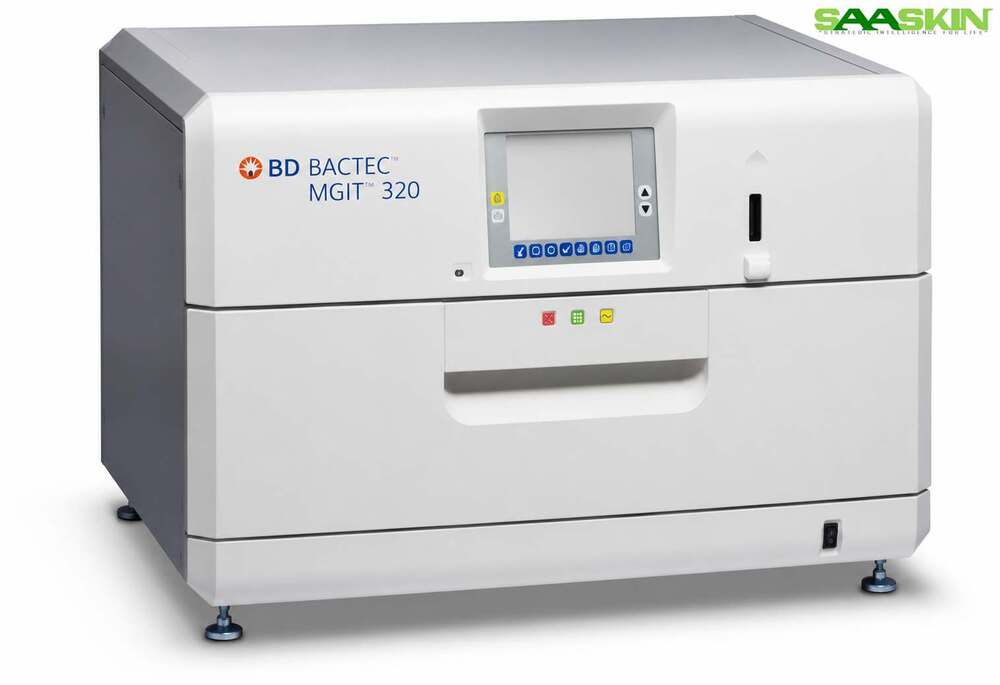
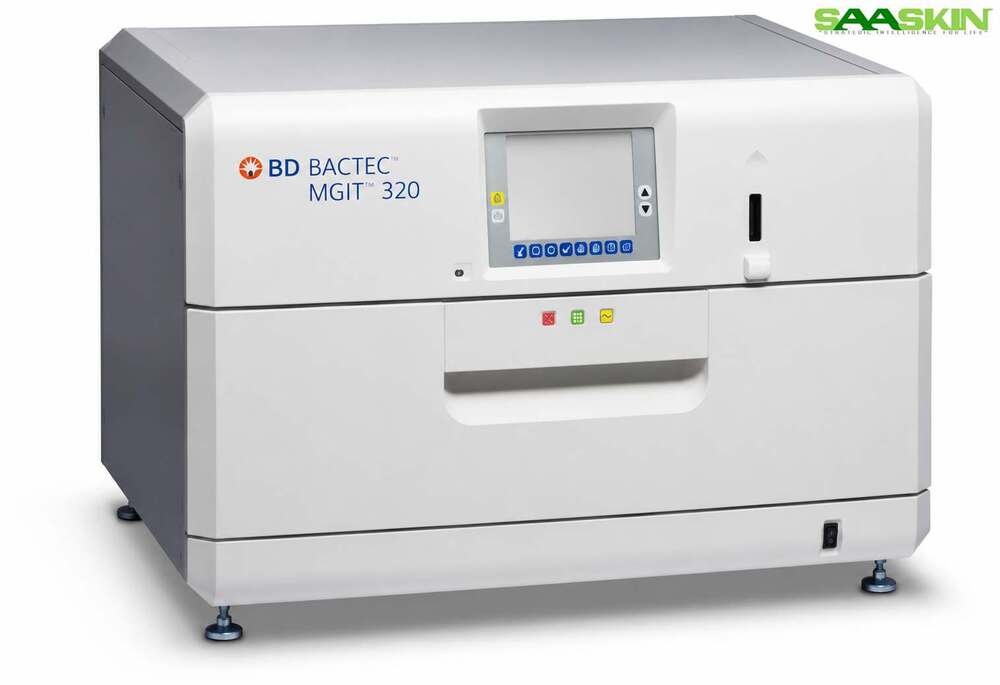
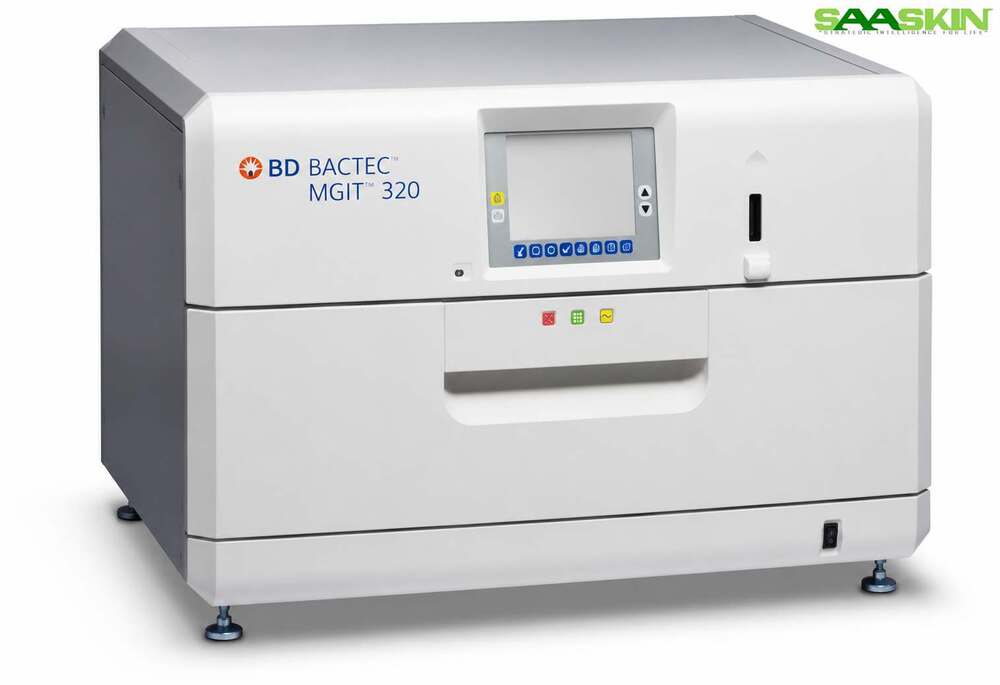
BD BACTEC MGIT 320 is a fully automated , non-radiometric mycobacterial detection system designed for the rapid culture, detection, and drug susceptibility testing(DST) of Mycobacterium tuberculosis and other mycobacterial species. The system is ideal for small- to medium- volume laboratories, with the capacity to incubate and continuously monitor up to 320 MGIT tubes. It simplifies laboratory workflow while delivering faster and more sensitive tuberculosis (TB) diagnosis compared to conventional solid culture methods.
Advanced Tuberculosis DetectionThe BD BACTEC MGIT 320 delivers cutting-edge technology for the early and precise detection of Mycobacterium tuberculosis. With its automated fluorometric detection system, laboratories benefit from faster turnaround times and consistent diagnostic outcomes, crucial for effective patient management. Its real-time operation ensures timely updates on sample status, enabling seamless laboratory workflow. The instrument is designed for ease of use, making it a valuable asset in high-volume clinical environments focused on TB control and research.
Seamless Laboratory IntegrationEngineered for laboratory environments, the MGIT 320 is a stationary, non-portable instrument that integrates easily into existing diagnostic setups. Its fully automatic operation reduces the need for continuous manual oversight, streamlining the workflow and decreasing the risk of errors. This feature allows laboratories, dealers, and distributors across India to enhance operational efficiency, comply with stringent quality standards, and provide reliable TB diagnosis and treatment monitoring services.
FAQ's of BD BACTEC MGIT 320:
Q: How does the BD BACTEC MGIT 320 identify tuberculosis in patient samples?
A: The BD BACTEC MGIT 320 uses automated fluorometric mycobacterial detection to sense metabolic changes produced by mycobacteria in liquid culture. When Mycobacterium tuberculosis is present, chemical changes are detected by the analyzer's fluorescence system, providing rapid and accurate growth indication for effective tuberculosis diagnosis.
Q: What is the main benefit of using the BD BACTEC MGIT 320 for laboratory professionals?
A: The principal advantage is its automation, which allows for continuous, real-time detection of mycobacterial growth with minimal manual input. This enhances laboratory productivity, reduces turnaround time, and ensures reliable diagnostic results, crucial for prompt treatment and monitoring of tuberculosis cases.
Q: When should the BD BACTEC MGIT 320 be used during tuberculosis diagnosis and treatment?
A: The system is deployed when there is a need for rapid, sensitive screening and monitoring of mycobacteria in clinical samples, particularly during initial diagnosis and in follow-up assessments to monitor treatment efficacy.
Q: Where is the BD BACTEC MGIT 320 typically installed and operated?
A: The analyzer is designed for use in laboratory environments, especially microbiology sections of hospitals, research institutions, and public health laboratories. It is not portable or wall-mounted, thus it remains stationed in a designated laboratory workspace.
Q: What is the process for operating the BD BACTEC MGIT 320?
A: Samples are prepared and loaded into MGIT tubes, which are then placed in the analyzer. The instrument automates incubation, fluorescence-based detection, and result reporting, requiring minimal interaction from operators except for sample loading and result review.
Q: How can one acquire the BD BACTEC MGIT 320 in India?
A: The BD BACTEC MGIT 320 can be sourced through authorized dealers, distributors, exporters, manufacturers, suppliers, traders, and wholesalers specializing in laboratory diagnostics equipment across India.
Q: What types of tuberculosis diagnostics can be performed with this analyzer?
A: The BD BACTEC MGIT 320 is primarily used for the detection, identification, and monitoring of Mycobacterium tuberculosis growth in clinical samples, supporting both initial diagnosis and therapeutic follow-up for effective TB management.












 Accepts only Export inquiries




 Send Inquiry