Product Description
Brand Bruker
Model BEAM
Capacity Tri-Clamp flanges
CAT No BEAM
Application Spectroscopy
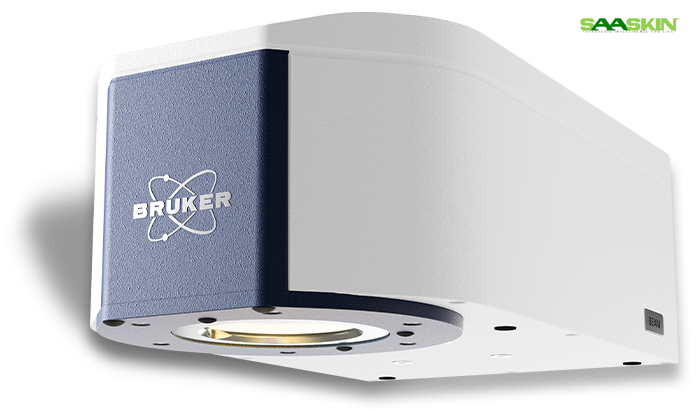
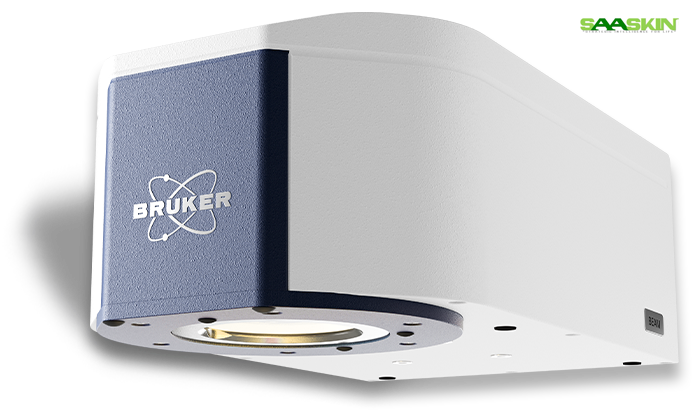
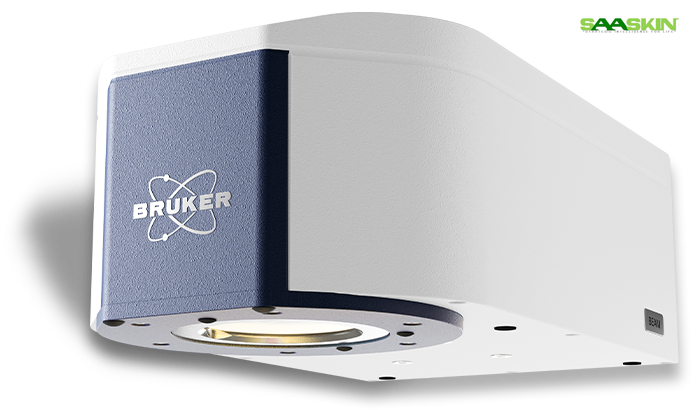
The BEAM is the first dedicated single-point NIR spectrometer unleashing the full power of FT-NIR spectroscopy, taking in-process control to the next level. It helps you to get the most out of your production by directly monitoring on the scene in real-time, improving your process variability. Optimized for solid and semi-solid material, it can be easily installed on pipelines, hoppers or over conveyor belts.
Reliable Process Monitoring in Demanding ConditionsThe Bruker BEAM spectrometer is housed in an industrial-grade stainless steel body with an IP65 rating, offering complete protection against dust and water ingress. It operates smoothly in environments ranging from -10C to +50C and is optionally available for ATEX-rated hazardous zones, ensuring trustworthy operation across a wide range of industrial sectors.
Fully Automated Analysis with Seamless IntegrationEngineered for automation, the BEAM supports remote monitoring and can be panel- or wall-mounted for flexible deployment. Compatibility with process flow cells and probe options allows it to easily fit into existing processes, while high-speed capabilities deliver up to 48 measurements per second for true real-time analysis.
Advanced Chemometric Calibration and User-friendly SoftwareWith support for multi-method chemometric calibration-including PLS and PCR-the BEAM delivers exceptional analytical performance. All measurements and configurations are managed via the intuitive OPUS LAB & CMET process software suite, complemented by a digital display and status LEDs for immediate device feedback.
FAQ's of Bruker BEAM - Process FT-NIR Spectrometer:
Q: How does the Bruker BEAM ensure accurate measurements in industrial environments?
A: The BEAM uses a high-resolution FT-NIR core with <8 cm1 spectral resolution and industrial-grade optical components. Its enclosure is IP65-rated for dust and water resistance, while ATEX options allow use in hazardous areas, guaranteeing stable, accurate results even amid harsh conditions.
Q: What types of processes can the BEAM be integrated into?
A: The BEAM is suitable for continuous inline monitoring in a variety of production processes, compatible with flow cells and probe options. It seamlessly interfaces via Ethernet, analog 4-20 mA outputs, digital I/O, and industry-standard protocols like OPC/Modbus TCP.
Q: When is maintenance required for the BEAM spectrometer?
A: Thanks to its design with no moving parts, the BEAM requires minimal routine maintenance. Periodic inspections based on operating conditions are recommended, but its core is engineered to be essentially maintenance-free for extended operational life.
Q: Where can the BEAM spectrometer be installed within a facility?
A: The BEAM allows for flexible installation, supporting both panel and wall-mount configurations. Its compact, rugged design facilitates placement close to the production line, even in environments exposed to dust, moisture, or temperature fluctuations.
Q: What benefits does real-time, automated analysis with BEAM offer to manufacturers?
A: Manufacturers benefit from immediate process feedback, enabling rapid corrective actions, optimized resource consumption, and quality assurance. With high throughput monitoring (up to 48 measurements/sec), it enhances process efficiency and product consistency.
Q: How is data managed and stored by the BEAM spectrometer?
A: The BEAM features integrated solid-state memory for secure onboard data storage, which can be expanded as needed. Data management is streamlined through the OPUS LAB & CMET software, supporting both local and remote data access.
Q: What level of calibration support is available in the BEAM?
A: The BEAM supports multi-method, chemometric calibration techniques such as PLS and PCR. Calibration can be tailored to multiple products or process variables, ensuring reliable quantification and consistent measurement accuracy.











 Accepts only Export inquiries




 Send Inquiry